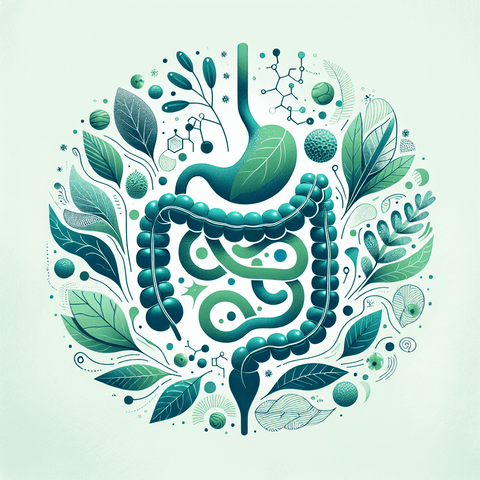
The relationship between gut flora vitamin B12 is a fascinating example of how digestion and nutrition are interconnected. While vitamin B12 is well known for its role in energy metabolism and normal nervous system function, the health of your intestinal environment can influence how well this nutrient is absorbed and utilized.
How Gut Health Impacts B12 Status
The process of absorbing vitamin B12 is complex. In the stomach, the nutrient binds with a protein called intrinsic factor, which allows it to be absorbed in the small intestine. A balanced gut flora supports overall digestive health, which is essential for this absorption process. Conversely, an unhealthy intestinal lining or an imbalance in gut bacteria can potentially interfere with the body's ability to maintain healthy B12 levels.
Some research also suggests that certain bacteria in the gut may produce a small amount of B12, though this contribution is generally considered minimal compared to dietary intake. For most people, obtaining sufficient B12 from food or vitamin B supplements is the most reliable way to support healthy levels.
Supporting Digestion and Nutrient Absorption
Maintaining a healthy gut flora is a key factor in overall wellness. Many people support their digestive health by consuming fermented foods, fiber-rich vegetables, and probiotic and prebiotic supplements. A healthy gut lining is vital not just for B12, but for the absorption of many other essential nutrients like magnesium and calcium.
For those interested in a comprehensive approach to wellness, focusing on both a nutrient-dense diet and a healthy digestive system is a sensible strategy. Always consult a healthcare professional before starting any new supplement regimen, especially if you have concerns about your B12 status or digestive health.