Welcome to our guide on gut health supplements. This page is designed to be your starting point for understanding the various types of supplements that support digestive wellness. Here, we break down the main categories—like probiotics, prebiotics, and digestive enzymes—and explain the key factors that determine their quality and effectiveness. Whether you're new to the topic or looking to refine your approach, this guide provides a clear, high-level overview to help you make informed decisions.
What Are the Main Types of Gut Health Supplements?
The term 'gut health supplement' covers several distinct product categories, each working in a different way within the digestive system. Understanding these core types is the first step in navigating your options.
The most widely discussed categories include:
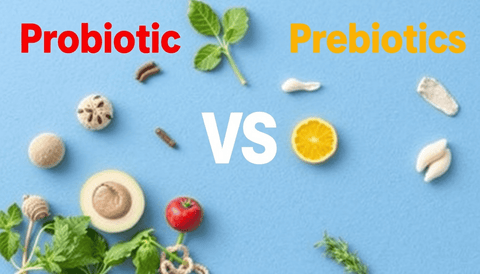
- Probiotics: These are live microorganisms, typically bacteria or yeast, that are intended to support the community of beneficial microbes in your gut. They are often identified by their specific strain (e.g., Lactobacillus rhamnosus) and their potency in Colony Forming Units (CFUs).
- Prebiotics: These are non-digestible fibers that act as food for the beneficial bacteria in your gut. By nourishing these microbes, prebiotics help support a thriving internal ecosystem. Common sources include inulin, fructooligosaccharides (FOS), and galactooligosaccharides (GOS).
- Digestive Enzymes: These are proteins that help break down food into smaller, more easily absorbed nutrients. Supplements may contain enzymes like proteases (for protein), lipases (for fat), and amylases (for carbohydrates).
- Dietary Fibers: Beyond prebiotics, general fiber supplements like psyllium husk can support regularity and overall digestive health by adding bulk to the stool.
- Botanicals: Certain herbs and plant extracts are traditionally used to support digestion. Examples include ginger, peppermint, and chamomile, which are often used for their soothing properties.
Many of these categories, especially probiotics and prebiotics, are often discussed together as 'synbiotics' because of their complementary roles in supporting gut health.
Why is Understanding Your Gut Microbiome Important?
The gut microbiome—the trillions of bacteria, viruses, and fungi that live in your digestive tract—plays a significant role in digestion, nutrient absorption, and the immune system. The composition of this internal ecosystem is unique to each individual and influenced by factors like diet, age, stress, and medication use.
While an imbalance in gut bacteria is not a formally defined medical diagnosis in all contexts, it is a concept often discussed in relation to digestive discomfort. Signs often cited as potential indicators of an imbalance include persistent bloating, gas, irregular bowel movements, and food intolerances. It's important to note that these symptoms can be caused by many different health conditions, and it's always best to talk with a doctor if you are concerned about your digestive health.
Key Factors to Consider When Choosing a Product
If you are thinking about trying a gut health supplement, the quality and formulation of the product matter greatly. The marketplace is diverse, so a high-level understanding of what to look for can help you discern between options. Consider the following:
Labeling and Ingredient Transparency
Look for products that provide clear and complete information. For probiotics, this includes the specific genus and species of bacteria, the exact strain designations, and the CFU count at the time of expiry, not just at the time of manufacture. Complete ingredient lists and clear allergen information are essential.
Manufacturing and Testing Standards
Reputable brands invest in good manufacturing practices (GMP) and may have their products independently tested by third-party laboratories. These tests verify that the product contains what the label says and is free from harmful contaminants. This can provide additional confidence in the product's quality.
Stability and Viability
Some organisms used in probiotic supplements are delicate. Check if the product requires refrigeration or has special storage instructions. Also, look for strains that have been studied for their ability to survive stomach acid and reach the intestines intact.
How to Approach a 'Gut Reset' or Cleanse
You may see information about '7-day gut resets' or quick cleanses. These programs typically involve eliminating certain foods and consuming specific supplements for a short period. While they may lead to short-term changes in digestive comfort, their long-term effectiveness is not supported by strong scientific consensus.
Instead of a quick fix, a more sustainable and evidence-based approach focuses on consistent daily habits. This includes a varied diet rich in whole foods, regular physical activity, adequate sleep, and stress management. Adding a supplement like a prebiotic or probiotic to this routine may offer support, but it's most beneficial as a complement to a healthy lifestyle rather than a replacement for it.
The Role of Nutrients in Digestive Wellness
Beyond dedicated gut health products, other nutrients and supplement categories play a supporting role in digestion. For example, certain vitamins and minerals are essential for normal muscle function, including the muscles of the digestive tract. Maintaining a balanced intake of these nutrients is a foundational part of overall wellness.
You can explore a wide range of options from our probiotics and prebiotics supplements collection to see the types of products available. For a broader look at nutritional support, our multivitamins guide provides information on how different vitamins and minerals contribute to general health.
Final Considerations and How to Explore Further
Digestive health is a complex and personal topic. There is no one-size-fits-all solution, and the effectiveness of a supplement can vary widely from person to person. The information on this page is for educational purposes and should not replace professional medical advice.
As you continue your research, you will find articles that dive deeper into specific strains, specific comparisons, and specific symptoms. This page is your high-level map; those articles are the detailed tours of individual territories. Always consult with a healthcare provider to discuss what approach might be best for your individual needs.