
This page examines the health effects of vitamin d deficiency. It describes how low levels can intersect with bone health, mood, and immune processes. The discussion emphasizes that effects are variable and depend on factors such as age and lifestyle. By framing the topic around these areas, readers gain a clearer sense of what is observed when vitamin D is below typical levels. For bones, the health effects of vitamin d deficiency are often discussed in relation to bone structure and development. Low levels are examined for their potential influence on how bones grow and remodel, with attention to groups where changes may be more noticeable. The mechanics are complex and outcomes can differ across individuals. For mood, the relationship between vitamin d status and emotional well-being is explored in research contexts. Some studies report associations with mood fluctuations, while others highlight variability and the influence of multiple factors. The takeaway is that mood-related experiences can be observed in connection with low levels, though not in every case. For immunity, researchers examine how immune processes may relate to vitamin D status, noting differences across populations and conditions. Given the complexity, it remains important to consider individual circumstances and to seek guidance from qualified health professionals for personalized information.
Vitamin D Deficiency: Surprising Health Effects on Bones, Mood, and Immunity
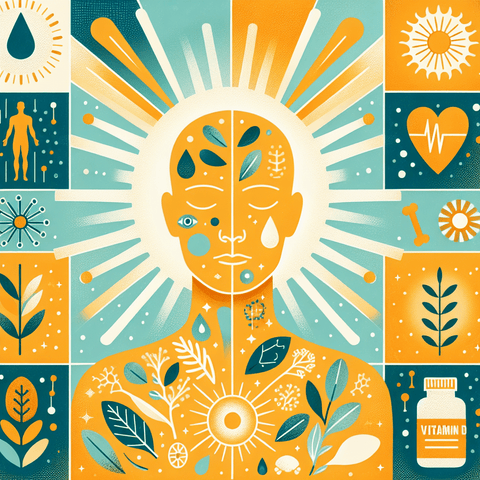
Vitamin D deficiency can develop from limited sun exposure, darker skin, aging, dietary insufficiency, obesity, absorption problems, or chronic disease. Common vitamin D symptoms include fatigue, muscle weakness, bone pain, mood changes, frequent infections, hair loss, and delayed wound healing. Recognizing the signs of vitamin D deficiency early may help prevent osteoporosis, fractures, impaired immune function, and other health effects of vitamin D deficiency. A vitamin D blood test measuring 25-hydroxyvitamin D provides the clearest assessment, with calcium, phosphorus, and PTH offering additional context. Treatment may include safe sunlight exposure, vitamin D-rich foods, and medically guided vitamin D supplementation, typically using vitamin D3.