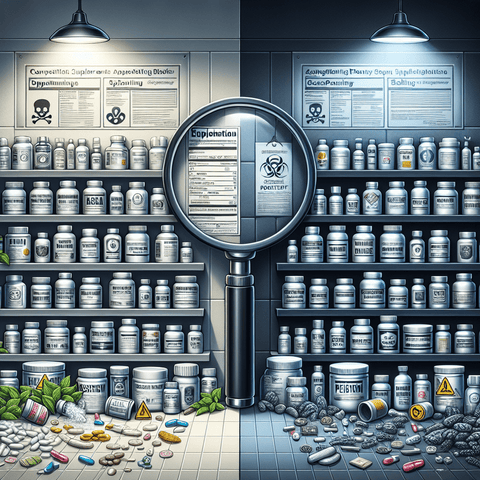
The health risks of fake supplements are more serious than most consumers realize. Counterfeit and adulterated products can contain undisclosed pharmaceuticals, heavy metals, allergens, or nothing active at all, meaning you may be exposed to harm while receiving no benefit. This guide explains what fake supplements are, how they threaten your health, the warning signs to watch for, and the practical steps you can take to verify quality before you buy.
What Are Fake Supplements? Understanding Counterfeit and Adulterated Products
A fake supplement is a product that misrepresents what it contains. This can mean a counterfeit copy of a legitimate brand, an adulterated formula with undisclosed substances, or a product whose label bears little relation to its actual contents. Because supplements are often sold with limited pre-market testing, fraudulent products can circulate for months before anyone notices.
How fake supplements differ from substandard or mislabeled products
Not all problematic supplements are deliberately fake. Substandard products are genuine but poorly manufactured, with weak quality control, inconsistent dosing, or contamination from careless production. Mislabeled products contain something different from what the label states, which may be an honest error or intentional deception. Counterfeit products, by contrast, are deliberately designed to imitate a trusted brand while cutting corners on ingredients, purity, and safety. All three categories can pose risks, but counterfeits tend to carry the greatest uncertainty.
Common types of supplement fraud: fillers, substitutions, and undeclared ingredients
Supplement fraud typically takes a few recognizable forms:
- Dilution and substitution: replacing expensive active ingredients, such as omega-3s or herbal extracts, with cheap fillers like rice flour or starch.
- Spiking: adding synthetic pharmaceuticals or stimulants to make a "natural" product appear effective, a pattern repeatedly documented in weight-loss, sexual enhancement, and sports supplements.
- Short-weighting: including less of the active ingredient than the label claims.
- Undeclared allergens or additives: failing to list ingredients that could trigger reactions in sensitive individuals.
Why counterfeit supplements are a growing problem in the online marketplace
Online marketplaces have made supplements more accessible, but they have also created openings for fraudulent sellers. Products may be stored or shipped improperly, listings can be hijacked or duplicated, and third-party fulfillment makes it difficult to trace where a product actually originated. Buyers often cannot inspect packaging, verify batch numbers, or confirm cold-chain handling, which makes online purchasing riskier than buying directly from a manufacturer or authorized retailer.
The Real Health Risks of Fake Supplements
The health risks of fake supplements extend beyond wasted money. Because these products are unregulated in practice, there is no way to know what you are actually consuming, and that uncertainty carries several distinct dangers.
Contamination with heavy metals, pesticides, and pharmaceuticals
Independent laboratory analyses have periodically found heavy metals such as lead, arsenic, cadmium, and mercury in supplements made from poor-quality raw materials, particularly certain herbal products and mineral blends. Pesticide residues can persist in botanical ingredients that were never tested for purity. Some counterfeit products have been found to contain undeclared prescription drugs, which introduces pharmacological effects the user never consented to.
Undeclared ingredients and dangerous drug interactions
When a supplement contains an undisclosed active drug, the risks multiply. An undeclared stimulant can raise heart rate and blood pressure; an undisclosed sedative can impair driving and interact with alcohol. Even legal undeclared ingredients can interact with prescription medications, and because neither you nor your doctor knows the ingredient is present, the interaction cannot be anticipated or managed.
Inactive or absent ingredients: when "supplements" contain nothing useful
Ironically, one of the most common fraud outcomes is not toxicity but emptiness. A counterfeit multivitamin or mineral product may contain nothing but filler, which means any deficiency you were trying to address continues uncorrected. Over months, this silent failure can contribute to fatigue, poor recovery, or worsening of an underlying nutritional gap that a genuine product would have helped close.
Incorrect dosing: too little to matter, too much to be safe
Fake or substandard products rarely dose accurately. Too little active ingredient means no benefit. Too much can be genuinely dangerous, particularly for nutrients with established upper intake levels such as vitamin A, iron, and selenium, where chronic excess can accumulate in the body and cause harm.
Allergic reactions and sensitivities to hidden additives
Unlisted allergens such as gluten, soy, dairy, nuts, or shellfish-derived ingredients can trigger reactions in sensitive individuals, sometimes severe ones. Artificial dyes, sweeteners, and fillers can also cause digestive upset or intolerance symptoms that the consumer would never expect based on the label.
How to Spot Fake or Low-Quality Supplements: Warning Signs
Red flags on labels, websites, and product listings
Look carefully at how a product presents itself. Warning signs include vague or exaggerated claims such as "miracle cure" or "works like prescription medication," missing supplement facts panels, no listed manufacturer or contact information, generic stock photos instead of real product images, and listings with little purchase history or copied reviews. Products claiming to be "FDA-approved" are an immediate red flag, since reputable supplement brands do not make this claim.
Price too good to be true: what suspicious pricing can indicate
Quality raw materials, testing, and proper manufacturing cost money. A brand-name product offered at a fraction of its usual price, especially in bulk or through an unfamiliar seller, frequently signals counterfeit stock, expired inventory, or diluted product. Deep discounts on supplements are not automatically fraudulent, but they warrant extra scrutiny of the seller and the packaging.
Missing information: batch numbers, expiry dates, and manufacturer details
Legitimate supplements carry a batch or lot number, an expiry date, a manufacturer or distributor name, and a full address. If any of these are missing, illegible, or inconsistent with the brand's usual packaging, treat the product as suspect. Batch numbers matter because they allow traceability in the event of a recall.
Why symptoms of a "fake" product are often invisible until harm occurs
Most supplement fraud causes no immediate, obvious symptom. Contamination and inaccurate dosing produce effects that accumulate quietly, and an ineffective product may simply do nothing while you attribute the lack of progress to your own body. This is why proactive verification before purchase matters more than waiting for warning signs after the fact.
Why Fake Supplements Undermine Your Health Goals
The nutritional gap: when a counterfeit product leaves deficiencies unaddressed
If you take a supplement to correct a specific shortfall, such as vitamin D in winter or iron during heavy menstrual cycles, a fake product quietly fails at exactly the job it was purchased to do. The deficiency persists, and you may wrongly conclude that supplements "don't work for you" when the problem was product quality.
Delayed care: how ineffective products can mask symptoms that need medical attention
Symptoms like persistent fatigue can have many causes, some requiring medical evaluation. If a fraudulent product promises energy or vitality and delivers nothing, weeks or months can pass while an underlying condition goes undiagnosed. Believing you are addressing a problem can be more harmful than knowing you are not.
The financial and trust cost of supplement fraud
Beyond the direct cost of useless bottles, repeated exposure to fake products erodes confidence in supplementation generally. Many people abandon nutrition strategies that could have worked, or spend more experimenting with replacements than they would have spent on one verified product.
Who Is Most at Risk From Counterfeit Supplements?
Frequent online buyers and marketplace shoppers
Anyone buying from third-party marketplaces, unfamiliar websites, or resellers with unclear sourcing faces elevated exposure. Frequent buyers accumulate more purchase decisions, and each one is an opportunity to encounter a fraudulent seller.
People using supplements for specific health concerns
Those taking supplements for a defined purpose, such as bone health, iron status, or omega-3 intake, depend on accurate dosing to a greater degree. A counterfeit omega-3 supplement or iron product with no active ingredient can meaningfully set back a health strategy.
Older adults, athletes, and those with chronic conditions
Older adults often take multiple medications, increasing interaction risk from undeclared ingredients. Athletes face a different concern: contamination with banned substances can end careers, which is why tested, certified products matter enormously in sports. People with kidney, liver, or cardiovascular conditions have less physiological margin for error when a product contains unexpected compounds.
Food First: Why a Nutrient-Rich Diet Is Your Best Protection
A strong dietary foundation is not only good nutrition; it also reduces your dependence on supplements and therefore your exposure to counterfeit risk. The fewer products you need, the fewer opportunities there are for fraud to affect you.
Whole-food sources of key vitamins and minerals
Most nutrients can be obtained from everyday foods: leafy greens and legumes provide folate and magnesium; oily fish supplies vitamin D and omega-3s; citrus, berries, and peppers provide vitamin C; dairy, sardines, and fortified plant milks provide calcium; nuts, seeds, and whole grains contribute vitamin E, selenium, and zinc. Food also delivers fiber, phytochemicals, and nutrient combinations that work together in ways isolated compounds cannot fully replicate.
Dietary patterns that reduce reliance on supplements
Patterns built around vegetables, fruits, whole grains, quality protein, and healthy fats, such as Mediterranean-style eating, consistently meet micronutrient needs for most people. Regular meals with varied colors and food groups typically cover vitamin and mineral requirements without needing a cabinet full of bottles.
When a varied diet makes supplementation unnecessary
If you eat a varied, balanced diet, have no diagnosed deficiencies, and fall outside higher-need groups, supplementation may add little. In these cases, spending on food quality and dietary variety often delivers more nutritional value per euro than any pill.
Where Supplements Genuinely Fit: When Dietary Intake May Not Be Enough
Supplementation is not automatically necessary, but it is genuinely useful in specific, well-recognized circumstances. Understanding these situations helps you decide whether a supplement is worth the effort of careful selection.
Common situations linked to insufficient intake or absorption
Certain nutrients are difficult to obtain in sufficient amounts from diet alone, including vitamin D in northern climates and iron for some women with heavy menstrual losses. Absorption can also be reduced by gastrointestinal conditions, certain medications, or aging-related changes in digestion.
Age, lifestyle, and dietary restrictions as contributing factors
Adults over 65, people following vegan or strict vegetarian diets, those with limited sun exposure, smokers, heavy alcohol consumers, and pregnant women all have different nutritional profiles. A vegan diet, for example, may warrant attention to vitamin B12, while limited sun exposure affects vitamin D status. If you are exploring targeted options, resources on vitamin D sources and safety or B vitamins can help clarify what applies to your situation.
Why blood testing and professional assessment matter before supplementing
Symptoms alone cannot confirm a deficiency; fatigue, for example, can stem from iron, B12, sleep, stress, or an unrelated medical cause. Where validated testing exists, such as blood tests for vitamin D, B12, iron status, and folate, it provides far more reliable information than guesswork. Testing also prevents unnecessary supplementation, which carries its own risks at high doses.
How to Choose a Safe, Authentic Supplement
Once you have established that a supplement is appropriate for you, product quality becomes the next critical decision.
Third-party testing and certifications to look for
Independent verification is one of the strongest quality indicators available. Look for certifications or statements from recognized third-party testing programs, published certificates of analysis, or brands that batch-test products and make results accessible. These checks confirm identity, purity, and label accuracy far better than marketing language can.
Ingredient forms and bioavailability: why quality varies between products
The same nutrient can appear in different chemical forms with different absorption characteristics. Magnesium, for instance, exists as citrate, glycinate, and oxide, with meaningful differences in tolerability and absorption. Vitamin D3 is generally preferred over D2 for raising blood levels. Evidence comparing some forms is stronger than others, so treat "premium form" claims critically, but do recognize that form genuinely matters for several nutrients.
Dosage, serving size, and reading the supplement facts panel
Compare the amount of active nutrient per serving, not per capsule if servings differ. Check whether the dose aligns with reference intakes or with doses supported by research, and be cautious with products that dramatically exceed established upper intake levels.
Single-ingredient versus combination formulas
Single-ingredient products make it easier to adjust dose, identify tolerance issues, and avoid unnecessary additives. Combination formulas offer convenience and can suit well-established pairings, but they reduce dosing flexibility and can obscure what you are actually taking.
Capsules, tablets, powders, and liquids: practical differences
Capsules are generally easy to swallow and mask taste; tablets are compact and cost-effective but may include more binders; powders allow flexible dosing and suit people who dislike swallowing pills; liquids absorb quickly but may have shorter shelf life and require refrigeration after opening. The best format is the one you will take consistently and that suits your digestive comfort.
Allergens, additives, and matching products to dietary preferences
Read the full ingredient list, not just the actives. Check for gluten, soy, dairy, gelatin, or other components relevant to your needs, and look for allergen statements. Vegan, vegetarian, and allergen-free designations should be verifiable, not just decorative.
How to Verify a Supplement Before You Buy
Checking manufacturer transparency and sourcing
Reputable brands publish where their ingredients come from, where products are manufactured, and how they are tested. A functioning customer-service channel, a real address, and clear contact details are basic but telling markers of legitimacy.
Using verification programs and batch-testing databases
Some testing organizations maintain public databases where you can look up whether a specific product batch has been verified. Scanning a QR code on packaging or entering a batch number on the manufacturer's site can confirm authenticity. If a brand offers neither traceability nor published testing, consider that a meaningful gap.
Buying direct versus third-party marketplaces: what to know
Buying directly from a manufacturer or an authorized retailer shortens the supply chain and reduces the chance of counterfeit substitution, improper storage, or expired stock. Marketplaces are convenient, but prioritize listings fulfilled or sold by the brand itself, check seller ratings and history, and inspect packaging carefully on arrival.
Safety Considerations: Interactions, Dosage Limits, and Professional Advice
Even genuine supplements are not risk-free, and quality products still require sensible use.
When to talk to a doctor or pharmacist before taking supplements
Consult a healthcare professional if you take prescription medication, are pregnant or breastfeeding, manage a chronic condition, are scheduled for surgery, or plan to combine multiple supplements. Pharmacists, in particular, can quickly flag known interactions.
Medication interactions and upper intake levels
Well-documented interactions exist: vitamin K can affect anticoagulant medications, high-dose vitamin E may influence bleeding risk, and certain minerals can interfere with antibiotic or thyroid medication absorption. Nutrients such as vitamin A, iron, and selenium have established upper intake levels, and chronic excess can cause real harm. More is not better; adequacy is the goal.
Special considerations for pregnancy, chronic conditions, and children
Pregnancy changes requirements significantly, for nutrients such as folate and iodine, but self-selected high doses can be harmful, so guidance should come from a healthcare provider. Children have lower tolerance thresholds across the board, and conditions affecting the kidneys or liver alter how nutrients and their excesses are handled.
Fake vs. Genuine Supplements: A Quick Comparison Checklist
Key differences in labeling, testing, and transparency
- Labeling: genuine products list all ingredients, amounts per serving, allergens, and a full manufacturer address; fakes often have vague or incomplete panels.
- Batch traceability: legitimate products carry batch numbers and expiry dates; counterfeits frequently omit them or use inconsistent formats.
- Testing: authentic brands offer third-party verification or certificates of analysis; fakes rely on marketing claims instead.
- Claims: genuine products make modest, compliant statements; fakes promise cures or prescription-like effects.
- Pricing: authentic products are priced consistently with the brand; counterfeits often appear at implausibly deep discounts.
- Buying channel: genuine products come from manufacturers or authorized retailers; fakes cluster on unverified marketplace resellers.
Protecting Yourself From Fake Supplements: Key Takeaways
Your practical action plan for safer supplement choices
Reducing your exposure to counterfeit supplements comes down to a handful of consistent habits:
- Prioritize diet first: a varied, nutrient-rich diet reduces how many supplements you need in the first place.
- Test before you guess: use blood testing and professional assessment to confirm whether supplementation is actually needed.
- Buy from trusted sources: purchase direct from manufacturers or authorized retailers rather than unverified resellers.
- Check the label completely: look for batch numbers, expiry dates, full ingredient lists, and manufacturer details.
- Seek independent verification: favor products with third-party testing or published certificates of analysis.
- Question extreme claims and prices: miracle promises and implausible discounts are classic fraud signals.
- Respect dosage limits: avoid products exceeding established upper intake levels, especially for vitamin A, iron, and selenium.
- Consult professionals when relevant: involve a doctor or pharmacist if you take medications, are pregnant, or manage a chronic condition.
Ultimately, protecting yourself from fake supplements starts long before checkout. Build a solid dietary foundation, supplement only where a genuine need exists, and apply the same scrutiny to product quality that you would to any health decision. Nutritional needs vary considerably between individuals, and no single product or approach suits everyone, but informed, verification-driven choices dramatically reduce both health and financial risk. For those who do supplement, choosing well-tested products from transparent brands, such as those found in quality natural supplement collections, is the most reliable way to ensure what is on the label is what is in the bottle.
Frequently Asked Questions
What are the main health risks of fake supplements?
The primary risks include contamination with heavy metals or undeclared pharmaceuticals, allergic reactions to hidden allergens, incorrect dosing, and the silent persistence of nutrient deficiencies when products contain no active ingredient. Because contents are unknown, risk is unpredictable and can accumulate over time.
How can I tell if a supplement is fake?
Check for missing batch numbers, expiry dates, or manufacturer addresses; exaggerated health claims; prices far below normal; and sellers with unclear sourcing. Legitimate products also typically offer third-party testing or certificates of analysis, which counterfeits rarely provide.
Are supplements sold on online marketplaces less safe?
They can be, because marketplace resellers introduce opportunities for counterfeit substitution, improper storage, and expired stock. If you buy from a marketplace, choose listings sold or fulfilled by the brand itself and inspect the packaging and batch details on arrival.
What should I do if I think I took a fake supplement?
Stop taking the product, keep the packaging and batch number, and contact the seller and the manufacturer to report it. If you experience symptoms, seek medical advice and mention exactly what you consumed. Reporting suspected fakes to consumer protection authorities also helps others.
Can fake supplements contain prescription drugs?
Yes. Regulators have repeatedly found undeclared pharmaceutical ingredients in products marketed for weight loss, sexual enhancement, and bodybuilding. This is one of the most dangerous forms of supplement fraud because users unknowingly consume active drugs with real side effects and interaction risks.
Do I need a supplement if I eat a balanced diet?
Often no. A varied diet covering vegetables, fruits, whole grains, protein, and healthy fats typically meets vitamin and mineral needs. Supplementation becomes more relevant in specific situations, such as limited sun exposure, restricted diets, pregnancy, or diagnosed deficiencies.
Which nutrients are most commonly found to be insufficient from diet alone?
Vitamin D is frequently low in populations with limited sun exposure, and iron can be insufficient in some women with heavy menstrual losses. Vitamin B12 may be low in people following vegan diets, and intake of omega-3s, magnesium, and iodine can also fall short depending on food choices.
Are expensive supplements always better quality?
No. Price alone does not guarantee quality or authenticity. What matters more is third-party testing, ingredient form, transparent labeling, and traceable manufacturing. A mid-priced product with independent verification is generally a safer choice than an expensive one without it.
Can you take too much of a vitamin supplement?
Yes. Nutrients such as vitamin A, iron, and selenium have established upper intake levels, and chronic excess can cause liver damage, gastrointestinal harm, or toxicity. Higher doses are not more effective; the goal is adequacy, not maximization.
Should I test my nutrient levels before taking supplements?
Where validated tests exist, such as for vitamin D, B12, iron, and folate, testing provides much more reliable guidance than symptoms alone, which are often nonspecific. Testing also prevents unnecessary supplementation and helps establish an appropriate dose with professional input.
How do I verify a supplement brand is legitimate?
Look for a real company address, accessible customer service, published third-party testing, batch traceability, and consistent pricing across authorized channels. Searching the brand name alongside terms like "recall" or "warning letter" can also reveal regulatory history.
How long does it take to notice a benefit from a quality supplement?
It depends on the nutrient and your starting status. Correcting a genuine deficiency can take weeks to months, while supporting an already adequate intake may produce no noticeable feeling at all. If a product promises instant results, that itself is a warning sign of fraud.
Related Keywords
- health risks of fake supplements
- counterfeit supplements dangers
- how to spot fake vitamins
- supplement fraud and adulteration
- undeclared ingredients in supplements
- heavy metal contamination in supplements
- third-party tested supplements
- supplement safety and interactions
- buying supplements online safely
- supplement label red flags
- nutrient deficiency and supplementation
- supplement quality and bioavailability
- upper intake levels for vitamins and minerals
- food first nutrition vs supplements