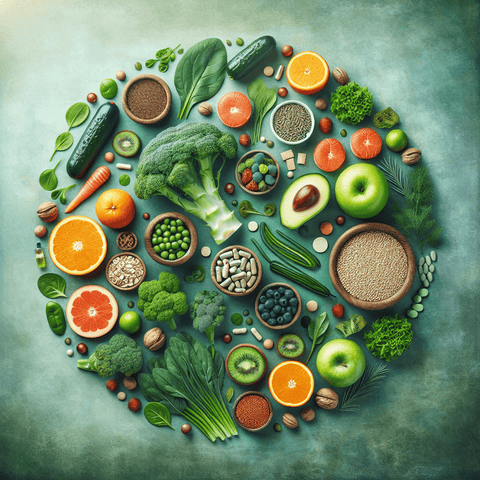
Healthy eating is a broad and essential topic for anyone looking to improve their energy, manage their weight, or support their long-term health. This guide provides an overview of what a balanced diet truly involves, why it matters, and how supplements can fit into a wellness-focused lifestyle. It serves as a starting point for exploring the different aspects of nutrition and building a sustainable approach to food.
What Does a Healthy Diet Look Like?
A healthy diet is less about following a strict set of rules and more about creating a consistent pattern of beneficial food choices. It prioritizes whole, minimally processed foods that provide a rich array of macro and micronutrients. Instead of focusing on what to eliminate, a positive approach emphasizes what can be added to your plate for better nutritional value and overall satisfaction.
The Core Principles of a Balanced Diet
Several key principles define a balanced and healthy diet:
- Variety: Consuming a wide range of foods ensures you receive a broad spectrum of essential vitamins, minerals, and phytonutrients.
- Nutrient Density: Prioritizing foods that offer a high amount of nutrients relative to their calorie content, like vegetables, fruits, and lean proteins.
- Adequacy: Ensuring your intake of calories, macronutrients, and micronutrients meets your body’s needs for energy and maintenance.
- Moderation: Balancing the intake of all foods, including those that are less nutrient-dense, to avoid extremes and promote sustainability.
Adopting these principles helps build a foundation for long-term health, shifting the focus from short-term restrictive dieting to a more balanced and enjoyable relationship with food.
Essential Nutrients for Supporting Health
A well-rounded diet naturally provides a complex mix of nutrients that work together to support the body's daily functions. While a balanced diet is the best way to get these nutrients, understanding their individual roles can help you appreciate why variety in your food choices is so important.
Key Vitamins and Their Functions
Vitamins play distinct and vital roles in maintaining health. For example, vitamin D is crucial for bone health and immune function, while vitamin C is an antioxidant that supports cellular health. The B-vitamin complex is essential for converting food into energy, and vitamin K contributes to normal blood clotting. A diet rich in colorful vegetables, fruits, and whole grains is typically sufficient to meet these needs.
Important Minerals for Wellness
Minerals such as magnesium and calcium are foundational to bodily processes, including muscle function, nerve transmission, and bone strength. These minerals are found in foods like leafy greens, nuts, seeds, and dairy products. A focus on a varied and balanced diet helps ensure an adequate intake of these vital nutrients.
You can explore specific vitamin and mineral guides for more detailed information on their sources and safety.
Practical Strategies for Healthier Eating Habits
Shifting from knowing what to eat to actually doing it can be challenging amid busy schedules and a food environment full of convenient options. Implementing a few practical strategies can make healthy eating more accessible and less overwhelming.
Meal Prep and Planning
One of the most effective ways to stay on track is to prepare components of meals in advance. Batch-cooking grains, roasting vegetables, and pre-portioning proteins can save significant time and reduces the reliance on takeaways. This approach allows for building varied and balanced meals without the daily cognitive load of deciding what to cook.
Mindful Eating and Portion Control
Eating while distracted can lead to overconsumption. Mindful eating, which involves paying full attention to your food and hunger cues, helps improve satiety and reduces impulsive snacking. Using smaller plates and being aware of portion sizes are also simple, effective tools for maintaining a balanced calorie intake.
For busy professionals or those with demanding schedules, finding easy-to-grab, healthy options is key. This can include keeping fruit visible, preparing overnight oats, or having stock of healthy snacks available.
Understanding the Role of Supplements in Nutrition
While food should be the primary source of nutrition, there are situations where supplements can play a supportive role. Modern diets often fall short in specific nutrients, and certain lifestyles or life stages can increase the need for a targeted approach. It is important to see supplements as a complement to a healthy diet, not a substitute for it.
Common Nutrient Gaps and Supportive Supplements
Even with a good diet, some nutrients are harder to get in sufficient amounts. For instance, vitamin D is difficult to obtain from food alone and often requires sunlight exposure. People following a plant-based diet may need to pay special attention to vitamin B12, omega-3, and iron. In these cases, a targeted supplement can help bridge the gap. You can read more about the benefits and sources of vitamin D and B vitamins in their dedicated guides.
For more information on natural options, you can explore the range of natural supplements
How to Choose and Use Supplements Wisely
If you consider adding a supplement, it's important to select a high-quality product. Look for brands that use minimal additives and have the nutrient in a form that the body can easily absorb. It is also crucial to be mindful of dosage, as more is not always better. Fat-soluble vitamins (A, D, E, K) can accumulate in the body, so following recommended dosages is essential.
The guidance of a healthcare professional is invaluable, especially for individuals with pre-existing health conditions or those taking medication. You can also find specific guides for supplements like magnesium and omega-3 supplements to understand their relevance to a balanced diet.
Exploring Specific Areas of Healthy Eating
Healthy eating encompasses many subtopics, each offering a deeper dive into a particular aspect of nutrition. Whether you are interested in a specific dietary pattern, a particular food group, or the role of micronutrients, there are dedicated resources to explore.
This guide serves as a broad overview, but depending on your personal goals or health needs, you may benefit from exploring more specific topics. For example, you might want to learn more about how to address specific concerns like getting enough vitamin D or choosing the right sports nutrition for your activity level.
Ultimately, a sustainable approach to healthy eating is about progress, not perfection. It involves making informed choices that align with your lifestyle and recognizing that consistency over time is more impactful than a short-lived perfect diet.
Frequently Asked Questions About Healthy Eating
What is the simplest definition of healthy eating?
Healthy eating is the practice of consuming a varied diet rich in whole foods—such as vegetables, fruits, whole grains, lean proteins, and healthy fats—that provides the body with the nutrients it needs for energy, repair, and maintenance. It emphasizes overall balance and consistency rather than strict rules or restriction.
How do I start eating healthier as a beginner?
Start small by focusing on adding more fruits and vegetables to your meals rather than taking things away. Try to cook one new healthy recipe per week and prepare some components in advance, like cooking a batch of whole grains. Focus on building a positive, flexible relationship with food, and learn to listen to your hunger and fullness cues.
Should I take a multivitamin if I eat healthy?
If your diet is highly varied and rich in whole foods, a multivitamin may be unnecessary and can sometimes lead to excessive intake of nutrients you already get in sufficient quantities. However, a multivitamin can be a practical insurance policy during times of poor appetite or high stress, but it cannot cure a nutrient-poor diet.
What are the most common signs of a nutrient-poor diet?
Initial signs can include persistent fatigue, brain fog, dull skin, brittle hair, and irregular digestion. Intense cravings for sugary foods or frequent irritability may also indicate unstable blood sugar levels. These symptoms are non-specific and should be assessed alongside dietary habits and lifestyle factors, and they are not a diagnosis of a clinical deficiency.
Key Takeaways
- Healthy eating is a flexible and sustainable pattern, not a rigid diet focused on restriction or perfection.
- Prioritizing whole, fiber-rich foods while limiting ultra-processed items is the most direct path to better energy and long-term health.
- Individual nutritional needs vary based on age, sex, activity, and genetics, so dietary advice must be personalized.
- Food should always be the primary source of micronutrients due to the synergistic effects of various vitamins and minerals in whole foods.
- Supplementation is relevant when dietary gaps are persistent or when physiological absorption is compromised.
- Consulting a healthcare professional is necessary for high-risk populations and those managing chronic diseases.
- The most effective healthy eating plan is one that you can maintain consistently, accepting that progress matters more than perfection.