
This page explores how hematologic and neuro symptoms can affect your health, highlighting common warning signs, guidance on when to seek care, and practical steps to stay informed. By understanding how these symptoms relate to blood and nervous system function, you can better recognize changes that may warrant attention. The goal is to promote awareness and preparedness without assuming specific medical outcomes. Hematologic symptoms refer to signals tied to blood and blood-forming processes. Look for unusual bleeding or bruising, persistent pale skin or nails, fatigue or weakness, shortness of breath with activities, dizziness, or a sense of lightheadedness. These signs can vary in intensity and duration, and noting when they begin, how they evolve, and how long they last can help you discuss concerns with a healthcare professional. Keeping track of these changes is part of staying proactive about your health. Neurological symptoms involve the nervous system and can present as changes in sensation, movement, or mental function. Watch for headaches that are different from your usual pattern, sudden numbness or weakness (especially on one side), trouble speaking or understanding speech, vision changes, dizziness or balance problems, or new confusion or seizures. If you notice abrupt or persistent neurological changes, it is appropriate to seek guidance from a clinician to understand potential causes and next steps. Practical tips to stay informed and prepared include keeping a simple symptom log that captures onset, duration, and intensity, so you can share a clear picture with health professionals. Know whom to contact for non-urgent questions and when to seek urgent or emergency care for severe or rapidly worsening changes. Maintain a current list of medications and allergies, and have a plan for how you will access care if symptoms arise, including clear details about your medical history and any family health history that may be relevant. These steps support proactive awareness of hematologic and neuro symptoms without relying on specific claims about treatments or outcomes.
Hematologic & Neuro Symptoms: What They Mean for Your Health
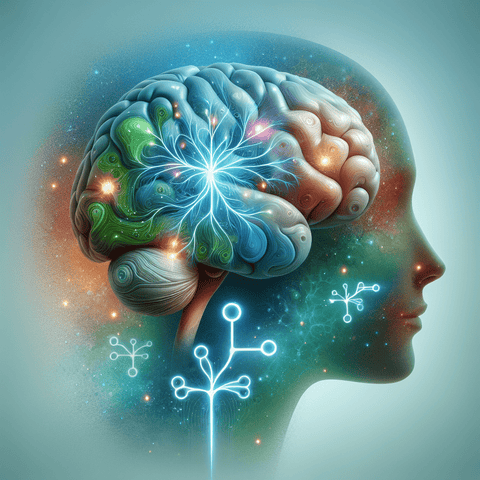
Vitamin B12 deficiency can affect mental health, cognition, mood, and nervous system function, often before physical signs such as anemia appear. Common B12 deficiency symptoms include fatigue, brain fog, forgetfulness, poor concentration, irritability, anxiety, depression, sleep disturbances, and emotional withdrawal. B12 deficiency cognitive issues may range from mild memory problems to confusion and dementia-like changes, while B12-related mood disturbances can involve apathy, mood swings, and reduced emotional resilience. Cobalamin deficiency neurological signs include tingling, numbness, balance problems, coordination difficulties, and gait disturbances. Blood testing and early treatment may help reverse hematologic and neuro symptoms and protect long-term brain health.