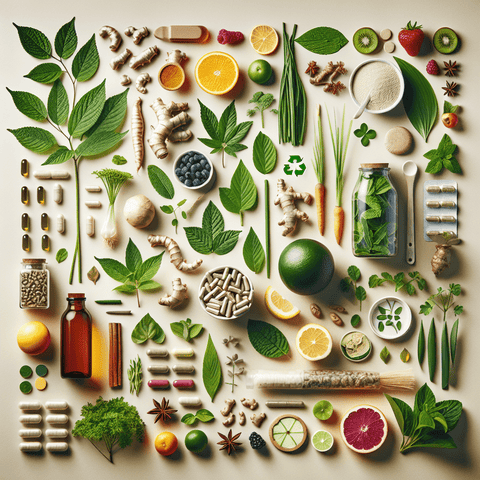
In today’s fast-paced world, many individuals are seeking safe and natural remedies for common ailments. This blog post on herbal alternatives aims to provide you with comprehensive insights into plant-based botanicals that can enhance your everyday health. You’ll learn about effective herbal remedies, potential benefits, safety considerations, and how nutritional supplements can further support your well-being. By understanding these natural options, you’ll be better equipped to make informed decisions about incorporating herbal alternatives into your wellness routine.
Introduction to Herbal Alternatives: Safe, Natural Remedies for Everyday Ailments
Framing the topic with the primary keyword
Herbal alternatives, derived from plants and botanicals, play an important role in promoting health and wellness. These natural remedies have been used for centuries to alleviate a variety of ailments and are becoming increasingly popular as people seek complementary approaches to conventional medicine. Accessible in various forms such as teas, tinctures, and capsules, herbal alternatives represent a holistic way to manage everyday health challenges.
What readers will gain from this guide
This guide will clarify the benefits and limitations of herbal alternatives, addressing safety considerations and potential interactions with medications. You will find specific examples of herbs for common issues, providing a pathway toward exploring nutritional supplements and reputable sources available on Topvitamine.com.
Core Explanation of Herbal Alternatives
What counts as herbal alternatives
Herbal alternatives encompass a variety of plant-based remedies, including whole herbs, standardized extracts, and essential oils. They may be consumed in multiple formats, such as:
- Teas: Infusions of herbs in hot water for easy digestion.
- Tinctures: Alcohol-based extracts that concentrate the active compounds.
- Capsules: Encapsulated powders for convenient dosing.
- Topical applications: Ointments or balms for local relief.
How herbal remedies interact with the body
The interaction of herbal remedies with the body varies significantly depending on the specific herb, preparation method, and dosage. Many herbs boast specific biological actions, such as:
- Anti-inflammatory: Helps reduce inflammation (e.g., turmeric/curcumin).
- Antispasmodic: Alleviates muscle spasms (e.g., peppermint).
- Antimicrobial: Supports immune function (e.g., echinacea).
- Relaxation and sleep support: Assists with stress relief (e.g., valerian).
Practical examples and use cases
Here are some examples of herbal alternatives for everyday ailments:
- Digestive comfort: Peppermint and ginger can soothe digestive upset and nausea.
- Cold and throat comfort: Elderberry and echinacea may help reduce the severity of colds.
- Sleep and stress support: Valerian and passionflower are often used to promote relaxation and improve sleep quality.
- Pain and inflammation: Turmeric/curcumin and willow bark can help in managing pain and inflammation.
Safety basics and quality factors
When exploring herbal alternatives, it is essential to source high-quality herbs to avoid adulteration and ensure potency. Consider the following:
- Allergies: Be aware of personal allergies to specific plants.
- Dosing: Start with lower doses to assess tolerance.
- Contraindications: Evaluate potential interactions with any existing medications.
Why This Topic Matters
Relevance to modern everyday health
The prevalence of mild, self-limiting ailments is high, and many people are interested in natural, self-care approaches. Herbal alternatives provide an accessible option for symptom relief when using conventional medication may not be necessary.
Practical benefits and limits
While herbal alternatives can offer symptom relief and reduce reliance on some conventional medications, they are not a universal cure-all. It is vital to conduct a thorough assessment when symptoms persist and to consult healthcare professionals as needed.
Economic and accessibility angles
Many herbal options are cost-effective and readily accessible. However, consumers should prioritize trustworthy sources to avoid low-quality products that do not provide the intended benefits.
Related Symptoms, Signals, or Health Implications
Common symptoms addressed by herbal alternatives
Herbal alternatives can help with a variety of everyday issues, including:
- Digestive upset
- Headaches
- Coughs and cold symptoms
- Seasonal allergies
- Mild insomnia
- Minor skin irritations
Signals that herbal alternatives may be relevant
When considering the use of herbal alternatives, observe the timing (acute vs. chronic), severity, and duration of symptoms. Additionally, consider how these symptoms impact daily activities.
When herbal approaches may signal more careful evaluation
Recognize red flags such as:
- Worsening symptoms
- New neurological signs
- Persistent fever
- Chest pain
- Severe allergic reactions
Health implications to monitor
Be aware that herbal alternatives may interact with existing medications, particularly in populations with chronic conditions. Always consult with healthcare providers for interactions specific to your personal health situation.
Individual Variability and Uncertainty
How biology affects herb response
Each person’s biology can affect how their body responds to herbal alternatives. Factors like genetic predisposition and metabolic differences can influence absorption and efficacy.
Life stage, health status, and comorbidities
Certain life stages and health conditions, including pregnancy, lactation, elderly age, liver or kidney issues, and autoimmune disorders, may require additional caution when considering herbal alternatives.
Drug-herb interactions and cautions
Be vigilant about potential interactions with medications, including:
- Anticoagulants (e.g., bleeding risks with ginkgo).
- Antidiabetics (e.g., blood sugar fluctuations with cinnamon).
- Certain antidepressants (e.g., St. John’s Wort interactions).
Variability in herb quality and product standards
The quality of herbal products can vary widely based on the plant source, harvest time, and processing methods. Always seek products that have undergone third-party testing to ensure reliability and safety.
Why Symptoms Alone Do Not Reveal Root Cause
Distinguishing symptom relief from diagnosis
Symptom relief through herbal alternatives does not guarantee the absence of underlying health conditions. Identifying the root of an issue is essential for comprehensive care.
The value of a holistic health view
Factors such as diet, sleep, stress, and comorbidities influence overall health. Recognizing this complexity can guide better symptom management.
When to seek diagnostic input
It is crucial to seek professional evaluation in cases where symptoms persist or worsen, despite the use of herbal remedies.
The Role of Nutritional Supplements in Herbal Alternatives
Distinctions between whole herbs and supplements
Nutritional supplements can be categorized into whole-plant products, standardized extracts, and isolated compounds. Each category has its dosing, efficacy, and safety implications, which should be carefully considered.
Evidence landscape: what’s known and what’s uncertain
Many herbs have been well-studied:
- Ginger: Strong evidence supports its use for nausea.
- Peppermint: Mixed evidence suggests benefits for IBS discomfort.
- Echinacea: Limited evidence shows efficacy for colds.
Quality controls and consumer safety
Ensure products adhere to Good Manufacturing Practices (GMP), include third-party testing, and provide known ingredient disclosures to enhance consumer safety.
Limitations of supplements as stand-alone solutions
While supplements can complement a healthy lifestyle, they should not replace balanced medical care or a nutritious diet.
How Nutritional Supplements Could Support Everyday Ailments
Concrete scenarios where supplements can help
Supplements may provide short-term relief for specific symptoms or act as preventive measures in certain situations, particularly for chronic but minor conditions.
How to choose supplements wisely
To select the right supplements, consider:
- Label literacy: Understand active ingredients and recommended daily allowances.
- Verified sourcing: Check for certifications, batch numbers, and expiry dates.
- Dosage guidelines: Adhere to recommended amounts and timing for administration.
Interactions and safety considerations
Evaluate potential drug interactions, contraindications, and ensure safety regarding particular populations that may need extra caution.
Practical usage tips
Begin with low doses, monitor responses over time, and adjust as necessary. Be vigilant for any adverse reactions to herbal supplements.
Integrating with diet, sleep, and stress management
Consider how nutritional supplements can fit cohesively into a broader wellness plan that emphasizes dietary balance, sleep quality, and stress management.
Decision-Support Section: When Do Nutritional Supplements Make Sense?
A reader-friendly decision flow
Assessing the appropriateness of nutritional supplements can involve:
- Identifying symptom type, duration, and severity.
- Evaluating risk factors and current medications.
- Determining when to trial a supplement vs. seeking medical advice.
Red flags and professional guidance
Conditions that necessitate medical evaluation before considering supplements include persistent symptoms or severe reactions.
Building a safe, informed plan
Testing one supplement at a time, tracking outcomes, and adjusting based on your body's responses are critical steps to developing a personalized health strategy.
Shopping considerations specifically for Topvitamine
When shopping at Topvitamine.com, evaluate brand reputation, ingredient transparency, certifications, and customer support for a reliable purchasing experience.
Clear Concluding Section Connecting Herbal Alternatives to Buying Nutritional Supplements on Topvitamine.com
Recap of the herbal alternatives framework
This guide emphasizes the role of herbal alternatives in everyday health, highlighting when natural remedies and supplements may be appropriate for symptom relief.
How Topvitamine supports informed, safe purchasing
At Topvitamine, we provide trusted brands, quality assurance, and a diverse array of products that support both herbal-focused and supplement categories.
Next steps for readers
Begin formulating a measured, evidence-informed health plan today, exploring Topvitamine’s extensive product categories, including herbal supplements, botanicals, and targeted nutraceuticals.
Safety-first closing
Always consult healthcare providers for complex or persistent symptoms and remember to use supplements in conjunction with a balanced wellness strategy.
FAQs
Do herbal alternatives actually work?
Many herbal alternatives have demonstrated efficacy in supporting health, particularly for minor ailments, although individual responses can vary. It is important to approach them with realistic expectations.
How can I evaluate the quality of an herbal supplement?
Look for third-party testing, transparent labeling, and adherence to Good Manufacturing Practices (GMP). Ensure that the supplement comes from a reputable source.
When should I avoid herbal supplements?
Avoid herbal supplements if you have known allergies, are pregnant or nursing, or are on specific medications that may interact with the herbs. Always consult a healthcare provider first.
How do I safely start using Topvitamine’s herbal and supplement products?
Begin with a low dose of a selected supplement while monitoring for any adverse reactions. Gradually increase the dosage as needed and consult your healthcare provider for ongoing management.
Key Takeaways
- Herbal alternatives provide natural remedies for everyday health issues.
- Understand the various forms and mechanisms of herbal preparations.
- Assess safety and sourcing quality to ensure effective outcomes.
- Symptoms alone are not sufficient for diagnosing underlying health conditions.
- Consider individual variability and life stages when using herbal alternatives.
- Nutritional supplements can support health but should not replace medical care.
- Informed decision-making involves evaluating symptom severity and seeking professional guidance when necessary.
- Topvitamine offers a variety of trusted herbal supplements for your wellness journey.
Keywords
herbal alternatives, natural remedies, plant-based botanicals, nutritional supplements, safety considerations, symptom relief, digestive comfort, cold symptoms, sleep support, self-care approaches