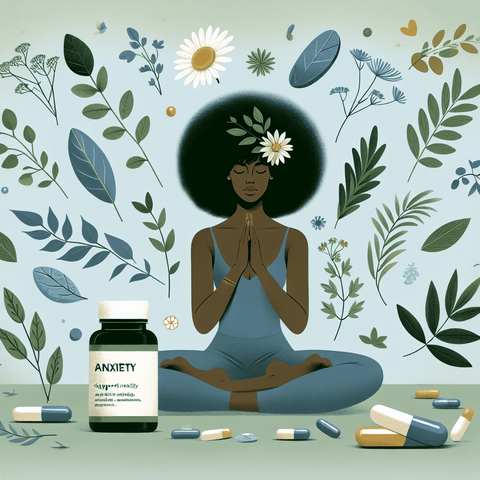
Herbal anxiety remedies have been used for centuries across various cultures as a natural approach to support a calm mind and a balanced stress response. These botanicals, which include adaptogens, nervines, and calming herbs, are believed to work gently with the body's own systems rather than simply suppressing symptoms. For those exploring natural options, these remedies can be a valuable part of a holistic wellness strategy.
This guide provides a broad overview of the topic, explaining the different categories of herbs, how they might work, and what to consider when choosing a supplement. The goal is to help you understand the landscape of herbal support so you can make informed decisions alongside professional guidance.
What Are Herbal Anxiety Remedies?
Herbal anxiety remedies are plant-based preparations traditionally used to help the body cope with stress and promote relaxation. They come in various forms, including teas, tinctures, capsules, and powders. The active compounds in these botanicals are believed to interact with the nervous system in different ways, often targeting the pathways involved in the stress response.
Rather than being a one-size-fits-all solution, herbal remedies offer a diverse toolkit. Some herbs are considered adaptogens, helping the body modulate its stress response. Others are classified as nervines, traditionally used to support the nervous system. Understanding these categories is the first step in choosing the right approach for your needs.
Adaptogens, Nervines, and Sedatives: Understanding the Categories
Not all calming herbs work in the same way. Herbalists often categorize them to better match an individual's specific needs:
- Adaptogens: These herbs, such as Ashwagandha and Rhodiola, are believed to help the body adapt to stress by modulating the physiological stress response. They are often used for long-term resilience rather than immediate relief.
- Nervines: Traditionally used to support and tone the nervous system, nervines like Passionflower and Lemon Balm are often chosen to ease nervous tension and promote a sense of calm without strong sedation.
- Sedatives: Herbs with sedative properties, such as Valerian Root, are typically used to support sleep and deep relaxation, particularly when a racing mind interferes with rest.
By understanding these categories, you can better align your choice of herb with your primary symptom, whether it is general stress, daytime tension, or sleep disruption.
How Do These Botanicals Work?
The stress response involves a complex cascade of hormones and neurotransmitters. When you perceive a threat, your body releases cortisol and adrenaline, preparing you to fight or flee. Chronic stress can keep this system overactive. Herbal remedies are thought to help modulate this response in several ways, such as supporting the function of GABA, a calming neurotransmitter, or influencing the HPA axis, which regulates stress hormone production.
While research is ongoing, many studies suggest these botanicals can have a gentle regulatory effect on the nervous system, helping to dampen the excessive stress response and restore a sense of balance.
Popular Herbs in Anxiety Support
Several herbs have gained significant attention for their potential role in supporting emotional well-being. Here is an overview of the most commonly discussed botanicals.
Ashwagandha: An Adaptogen for Stress Resilience
Ashwagandha is perhaps the most well-studied adaptogen for stress. Research indicates it may be particularly effective at helping to lower cortisol, the primary stress hormone. A standardized Ashwagandha extract has often been used in studies at doses of 300-600 mg per day to support a calm and balanced mood. It is known for helping to restore resilience to stress, which can improve energy and focus without causing sedation.
Lavender: A Versatile Botanical
Lavender is unique in that it can be used effectively in two ways. Inhaled as an essential oil, its scent is thought to act on the olfactory system, which is directly linked to the emotional centers of the brain, promoting rapid relaxation. When taken orally in a standardized form, such as Silexan®, it is believed to modulate pathways in neurons, producing a significant calming effect that may be comparable to low-dose pharmaceutical options for anxiety.
Valerian Root and Passionflower: Supporting Relaxation and Sleep
Valerian Root and Passionflower are often used together because their mechanisms are complementary. Valerian Root acts as a sedative hypnotic, increasing GABA levels to promote sleep onset, which is often helpful for anxiety that disrupts sleep. Passionflower similarly boosts GABA, but it is more commonly used to calm a racing mind and treat nervous restlessness during the day. Their ability to soothe the mind makes them excellent choices for those who struggle to "switch off" at night.
Other Notable Botanicals
Beyond these core herbs, other botanicals like Lemon Balm, Chamomile, and Kava are also used for their calming properties. Lemon Balm is a gentle nervine, Chamomile is a mild sedative often taken as a tea, and Kava is a stronger botanical traditionally used for its anxiolytic effects. Each has its own profile, and some, like Kava, require careful consideration due to potential liver concerns.
The Role of Diet and Lifestyle in Stress Management
Herbal remedies are most effective when they complement a healthy lifestyle. The gut-brain axis, a communication network between your digestive system and brain, means that good digestive health is vital for mental well-being. A diet rich in whole foods can provide the foundational nutrients your body needs to manage stress.
Nutrients That Support the Nervous System
Chronic stress can deplete essential nutrients. Magnesium, often called the "anti-stress" mineral, is a co-factor in over 300 biochemical reactions, including those in the nervous system. B-vitamins, particularly B6 and B12, are critical for the synthesis of neurotransmitters like serotonin and dopamine. Supporting these foundational nutrients can enhance the effectiveness of herbal formulas. For more insights, you can explore resources on Magnesium and B-vitamins.
Lifestyle Habits That Build Resilience
Lifestyle is arguably your most powerful tool for managing stress. Prioritizing sleep is non-negotiable; during rest, the brain clears out waste products and repairs itself. Regular exercise, even a daily 30-minute walk, can help burn off excess cortisol and release endorphins. Finally, stress reduction techniques like meditation or deep breathing can actively activate the parasympathetic (rest-and-digest) nervous system, counteracting the stress response.
Choosing the Right Herbal Supplement
When you decide to explore herbal support, becoming an informed consumer is key. The market is diverse, and quality can vary significantly.
Understanding Different Forms: Tinctures, Capsules, and Teas
- Tinctures (Liquids): These are concentrated extracts that are absorbed quickly when held under the tongue. They are potent and allow for easy dose adjustments.
- Capsules/Tablets: These are convenient and taste-free. They often contain standardized extracts or whole-herb powder and offer a more prolonged, gradual effect.
- Teas: Teas are mild and best for gentle, short-term relaxation, ideal for a calming bedtime ritual.
- Powders: These can be mixed into smoothies or drinks. They are versatile but often have a strong taste.
Standardized Extracts vs. Whole Herb Powders
A standardized extract guarantees a specific concentration of the marker active ingredient. For example, a product might be standardized to contain a certain percentage of withanolides for Ashwagandha. This ensures you are getting the active compounds that research has shown to be effective. Whole herb powders are the plant dried and ground, containing all its natural constituents, but the concentration of active compounds can be variable and often lower. For a reliable, predictable effect, standardized extracts are usually a safer choice.
What to Look for on a Supplement Label
Reading a supplement label can be challenging. Look for products that use the scientific Latin name (e.g., Passiflora incarnata for Passionflower) to specify the exact plant species. Seeing a trademarked name like KSM-66® (for Ashwagandha) or Silexan® (for Lavender) is a strong indicator of quality, as these are clinically studied and standardized.
Check the dosage per serving. Research studies for anxiety often use specific doses, such as 300-600 mg of Ashwagandha. A supplement that only provides a small amount of a weak root powder is unlikely to be effective. Also, examine the "Other Ingredients" section. High-quality supplements are free from unnecessary fillers, binders, and artificial additives like magnesium stearate and artificial colors.
Safety and Interactions: What to Consider
While herbs are natural, they are not side-effect-free. Understanding safety considerations is crucial before incorporating any new supplement into your routine.
Potential Interactions with Medications
- Sedatives: Combining herbs like Valerian or Passionflower with benzodiazepines or sleep aids can compound sedative effects, leading to excessive drowsiness.
- Antidepressants: Some herbs may have additive effects with mood medications. Ashwagandha should be used cautiously with these.
- Thyroid Medication: Ashwagandha may stimulate thyroid hormone production and should be used cautiously with thyroid medications.
- Blood Pressure Medications: Adaptogens can influence blood pressure and may interact with anti-hypertensive drugs.
Always consult a healthcare provider before starting any supplement if you are taking medication, pregnant, breastfeeding, or have a medical condition.
Side Effects and Safe Usage
Common side effects can include digestive upset, which can often be mitigated by taking supplements with food. Some people may experience mild headaches or dizziness initially. It is important to adhere to dosing limits. More is not better and can increase the risk of side effects.
Many experts recommend cyclic use—for instance, using an herb for a few weeks and then taking a break. This prevents tolerance build-up and ensures your body retains its natural response to the remedy.
Conclusion: A Balanced Approach to Herbal Support
Herbal anxiety remedies can be a valuable part of a comprehensive wellness strategy. They are not a magic pill that bypasses the need for a healthy lifestyle, but a thoughtful tool to help support your body's natural ability to handle stress. By understanding the different categories of herbs, how to choose quality products, and how to use them safely, you can make informed decisions that align with your health goals.
Remember that herbal remedies work best when they complement, not replace, a foundation of whole foods, regular movement, and restorative sleep. Always prioritize professional guidance, especially if you are experiencing symptoms that are persistent, severe, or impacting your quality of life.
Key Takeaways
- Foundation First: Herbal remedies work best when they complement healthy lifestyle habits like sleep, nutrition, and stress reduction.
- Know Your Herbs: Differentiate between adaptogens, nervines, and sedatives to choose the right herb for your specific needs.
- Check Standardization: Opt for products with standardized extracts or trademarked ingredients (like KSM-66® or Silexan®) for predictable results.
- Address Nutrient Gaps: Chronic stress depletes magnesium and B-vitamins. Supporting these can enhance the effectiveness of herbs.
- Understand Your Uniqueness: Your response to an herb is personal. Start with a low dose and adjust slowly.
- Quality Over Quantity: Be wary of inexpensive products with hidden fillers. Look for third-party tested, transparent brands.
- Safety is Paramount: Always check for potential interactions with medications and consult a professional before use.
Frequently Asked Questions
How long does it take for herbal supplements to work for anxiety?
You may feel subtle effects from herbs like Lavender or Lemon Balm within 30 minutes to 2 hours. However, for systemic changes, such as lowering cortisol levels with Ashwagandha, it typically takes at least two to four weeks of consistent use to notice meaningful changes in your baseline anxiety levels.
Are herbal anxiety remedies safe to take every day?
Many herbal remedies are safe for daily use, but it is advisable to use them cyclically. Taking a break (e.g., 1 week off after 4-6 weeks of use) can prevent your body from building a tolerance and ensure the herb remains effective. This is especially important for sedative herbs like Valerian.
Can these herbs cure my chronic anxiety disorder?
No. Herbal anxiety remedies are designed to support your nervous system and manage symptoms, but they cannot cure a clinical anxiety disorder. They may be a helpful component of a comprehensive management plan that includes therapy and lifestyle modifications. If you have a diagnosed condition, always work with a healthcare professional.
What is the difference between a tincture and a capsule?
A tincture is a concentrated liquid herbal extract that is absorbed quickly through the oral mucosa, often leading to faster effects. Capsules contain dried herb or powder and must be broken down in your digestive system. Tinctures allow for easy dose adjustments, while capsules are often tasteless and ideal for consistent daily supplementation.