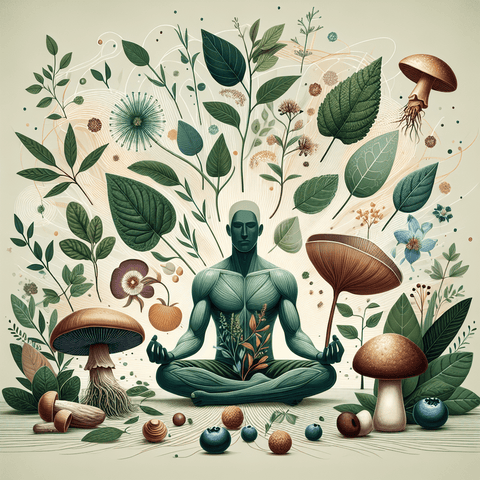
Feeling tired from time to time is something almost everyone experiences, and many people look for natural ways to support their daytime energy. Herbal fatigue relief refers to the use of botanicals — such as ginseng, ashwagandha and rhodiola — together with everyday habits that may help the body cope with tiredness. This page gives a broad overview of the topic: what herbal fatigue relief involves, which herbs are most commonly discussed, the different ways these botanicals can be taken, and how to approach them safely and realistically. The articles listed under this tag then explore specific questions in more depth.
What Is Herbal Fatigue Relief?
Herbal fatigue relief is an umbrella term for the traditional and modern use of plant-based remedies to support energy and ease feelings of tiredness. It covers a wide group of botanicals, from well-known adaptogens like ashwagandha and ginseng to familiar kitchen herbs such as peppermint and sage. Some of these plants have centuries of use behind them in traditional herbal systems, while others are the focus of ongoing modern research into how they might relate to energy, stress and mental performance.
It helps to distinguish between traditional use and scientific evidence. Long-standing traditional use says nothing on its own about how well a herb works, and research findings on many botanicals are still developing and often mixed. A sensible, evidence-aware approach means staying curious about what studies do and do not show — and being sceptical of any product that promises instant, guaranteed results.
Why Tiredness and Low Energy Are So Common
Daytime tiredness can have many everyday causes: a demanding schedule, irregular sleep, ongoing stress, dehydration, or a diet that falls short of key nutrients. Because the causes differ from person to person, there is rarely one universal solution. Herbal fatigue relief is best seen as one element in a wider picture that also includes sleep, stress management, movement and balanced nutrition.
It is also worth distinguishing ordinary tiredness from persistent, long-lasting fatigue. Feeling drained after a few busy days is very different from exhaustion that continues for weeks and interferes with daily life. Anyone experiencing persistent or severe fatigue should speak with a healthcare professional first, as it can have underlying causes that deserve proper medical attention.
Herbs Commonly Discussed for Fatigue and Energy
Which herbs come up most often in conversations about fatigue? Rather than asking which single herb is 'best', it is more useful to know which botanicals are most frequently discussed and in what context. They include:
- Ginseng — one of the most widely recognised energy herbs, with a long history of use in both Asian and North American traditional practice.
- Ashwagandha — a prominent adaptogen from Ayurvedic tradition and one of the most studied herbs in the adaptogen group.
- Rhodiola rosea — a plant that grows in cold, mountainous regions and is traditionally associated with resilience during demanding periods.
- Bacopa monnieri, gotu kola and ginkgo biloba — botanicals mostly discussed in connection with memory, focus and mental clarity rather than physical energy.
- Licorice root, peppermint and sage — familiar herbs traditionally used for general wellbeing and digestion, and often enjoyed as teas.
- Guarana — a plant that naturally contains caffeine, which is why it frequently appears in energy products.
Each of these herbs has its own background, character and evidence base. If you are looking for detailed profiles, comparisons or research summaries for individual herbs, the articles listed below this overview cover those questions in more depth.
Adaptogens and the Stress–Energy Connection
One group deserves particular attention: the adaptogens. Herbs such as ashwagandha, rhodiola and ginseng are traditionally described as helping the body adapt to physical and emotional stress, based on the idea that chronic stress and low energy often go hand in hand. Research into adaptogens is ongoing; results are considered promising in some areas, but findings are not uniform and more study is needed. For readers who want to explore this group further, our ashwagandha supplements collection is a natural starting point.
Teas, Capsules, Powders and Other Herbal Forms
Herbal remedies come in several forms, and each has practical advantages. No drink or form on its own gets rid of fatigue, but the way you take a herb can shape how well it fits into your routine:
- Teas and infusions — a gentle, ritual-based way to enjoy herbs such as peppermint, sage or ginseng.
- Capsules and tablets — convenient and consistent, and easy to fit into an existing supplement routine.
- Powders — versatile and easy to add to smoothies or drinks, though taste and mixing can take some getting used to.
- Liquid extracts and tinctures — concentrated forms that are typically taken in small amounts, often with a strong flavour.
There is no single 'best' form. Teas suit people who enjoy a calming ritual and can help support hydration, which itself matters for how alert you feel. Capsules are practical for consistency, and powders offer flexibility. Whichever form you choose, follow the directions on the product label rather than adjusting amounts on your own.
Everyday Habits That Support Daytime Energy
Herbal options work best as part of a wider routine rather than as a replacement for healthy habits. Simple practices can anchor a day and support steadier energy:
- A consistent sleep schedule, with regular bed and wake times.
- Some form of morning movement, even a short walk or a brief stretching sequence.
- Mindful breathing or short breaks during demanding work.
- Balanced meals that supply the nutrients involved in normal energy metabolism.
Nutrition plays a supporting role here too. Nutrients such as magnesium contribute to normal energy-yielding metabolism, so it can be worth looking at your overall nutrient intake — not just herbal options — when thinking about tiredness. Our magnesium supplements collection offers more background on this mineral.
Safety, Quality and Choosing Herbal Products
Herbal does not automatically mean risk-free. Botanical products can interact with medications, may not be suitable during pregnancy or breastfeeding, and are not appropriate in every medical situation. A few general principles support responsible use:
- Choose products with clear, complete ingredient lists and, where possible, third-party quality testing.
- Consult a healthcare professional first if you take medication, have a medical condition, or are pregnant or breastfeeding.
- Follow the directions on the label, store products as instructed, and stop using a product if you notice unwanted effects.
- Start with one product at a time so you can tell how it suits you before considering anything else.
Because quality and transparency vary widely across the supplement market, it pays to buy from suppliers that provide clear product information. Our herbal supplements guide offers background on traditional use, safety and sourcing.
A Simple Starter Guide to Herbal Fatigue Relief
If you are new to herbal fatigue relief, a structured start keeps the exploration practical and grounded:
- Learn which herbs are commonly discussed for fatigue and energy, and what current evidence does and does not show.
- Assess product quality and transparency before buying anything.
- Begin with a single option, keep a simple log of how you feel, and avoid combining several new products at once.
- Build your routine gradually, combining any herbal support with good sleep habits, stress management and regular movement.
Keep expectations realistic: responses to herbal products vary from person to person, and steady habits usually matter more than any single remedy. Herbal fatigue relief works best as a gradual, personal exploration rather than a quick fix.
Exploring Herbal Fatigue Relief Further
This page is a starting point rather than a final word. The articles collected under this tag look at individual herbs, adaptogens, herbal forms and related questions in more detail. Browse the overviews below to continue your exploration of herbal fatigue relief at your own pace.