Herbal Remedies: What They Are and How They Fit Into Modern Wellness
Herbal remedies represent one of humanity's oldest approaches to health, drawing on the medicinal properties of plants to support the body's natural functions. In modern wellness, these botanical preparations—ranging from simple teas to concentrated extracts—offer a complementary path to conventional nutrition and self-care. This article explores what herbal remedies are, how they work, and how to incorporate them thoughtfully into a balanced lifestyle. You will learn about the active compounds in herbs, which health concerns they commonly address, and the critical factors that influence their effectiveness, safety, and quality.
Defining Herbal Remedies and Herbalism
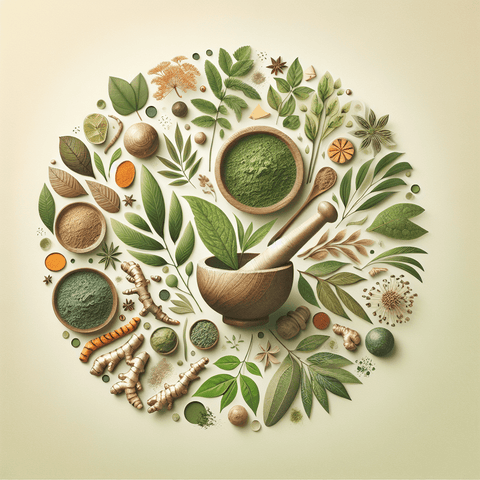
Herbalism, also known as botanical medicine, is the practice of using plants and plant extracts to support health and wellbeing. This ancient discipline is rooted in the observation that specific plants contain compounds that can influence physiological processes. Herbal remedies are the tangible products of this practice—the teas, tinctures, powders, and capsules made from leaves, roots, flowers, seeds, and bark. Unlike pharmaceutical drugs, which typically isolate a single active compound, herbal remedies often contain a complex matrix of phytochemicals that work synergistically. This complexity is part of their appeal, but it also means their effects can be more variable and subtle than those of conventional medications.
Common Forms of Herbal Remedies: Teas, Tinctures, Extracts, and Powders
Herbal remedies are available in several forms, each with distinct characteristics. Herbal teas, or infusions, are the simplest and most traditional method, where plant material is steeped in hot water to extract water-soluble compounds. Tinctures are concentrated liquid extracts made by soaking herbs in alcohol or a mixture of alcohol and water, which extracts a broader range of constituents and offers a longer shelf life. Standardized extracts are processed to contain a specific percentage of a marker compound, ensuring consistent potency. Powders, often made from dried herbs, can be added to food or beverages or encapsulated for convenient consumption. The choice of form often depends on the specific herb, the desired potency, and personal preference for convenience and taste.
The Difference Between Culinary Herbs and Medicinal Herbs
While all culinary herbs have some medicinal properties, the distinction lies in their primary use and concentration. Culinary herbs like basil, oregano, and thyme are used in small amounts to flavor food, contributing valuable antioxidants and nutrients to the diet. Medicinal herbs, on the other hand, are used in larger, more concentrated doses specifically for their therapeutic effects. For example, while rosemary is a delicious culinary herb, a concentrated rosemary extract might be used medicinally for its antioxidant properties. The line can be blurry, but the key difference is the dose and the intent. Using herbs liberally in cooking is a safe and beneficial practice, while using concentrated medicinal preparations requires more knowledge and caution.
Why Herbal Remedies Matter for Everyday Health and Wellbeing
The relevance of herbal remedies in contemporary health is supported by both historical use and modern scientific inquiry. They offer a way to engage with health that is often perceived as gentler and more holistic than isolated chemical compounds. Understanding their role requires looking at their historical context, the science of their active components, and how they fit into a broader nutritional strategy.
The Historical Role of Plants in Traditional Medicine Systems
For thousands of years, traditional medicine systems such as Ayurveda, Traditional Chinese Medicine (TCM), and Western herbalism have relied on plants as primary therapeutic tools. These systems developed sophisticated frameworks for understanding how different herbs affect the body, often based on centuries of empirical observation. Many modern pharmaceuticals have their origins in these traditional plant remedies; for instance, aspirin was originally derived from willow bark, and the antimalarial drug quinine comes from cinchona bark. This historical legacy underscores the profound biological activity that plants possess and provides a foundation for modern herbal research.
Phytochemicals and Antioxidants: The Active Compounds in Herbs
The health-promoting effects of herbs are largely attributed to their rich content of phytochemicals—naturally occurring plant compounds. These include polyphenols, flavonoids, terpenes, and alkaloids, many of which function as potent antioxidants. Antioxidants help neutralize free radicals, unstable molecules that can damage cells and contribute to aging and chronic disease. For example, the curcumin in turmeric, the rosmarinic acid in rosemary, and the gingerols in ginger are all bioactive compounds with significant antioxidant and anti-inflammatory properties. These compounds are the reason herbs are not just flavor enhancers but also functional foods that can support the body's defense systems.
The Connection Between Herbal Support and Nutritional Health
Herbal remedies and nutritional health are deeply interconnected. A diet rich in herbs and spices contributes to overall phytonutrient intake, which supports cellular health and reduces oxidative stress. Furthermore, many herbs can influence digestion and nutrient absorption. For instance, bitter herbs like dandelion and gentian can stimulate digestive juices, potentially improving the breakdown and uptake of nutrients from food. In this way, herbal remedies can be seen as a supportive layer on top of a healthy diet, enhancing the body's ability to utilize the vitamins and minerals it receives. For a deeper understanding of how specific nutrients like vitamin C and vitamin D support immunity, exploring dedicated nutritional guides can be helpful.
Common Health Concerns Where Herbal Remedies Are Frequently Used
People often turn to herbal remedies for support with everyday health concerns, particularly those related to stress, digestion, immunity, and energy. While not a replacement for medical treatment, herbs can play a supportive role in managing mild, transient symptoms and promoting overall resilience.
Herbal Support for Stress and Sleep Quality
Adaptogenic herbs, such as ashwagandha and rhodiola, have gained significant attention for their potential to help the body adapt to stress. These herbs are believed to modulate the body's stress-response system, potentially reducing feelings of fatigue and improving resilience. For sleep, herbs like valerian root, chamomile, and lemon balm are traditionally used for their calming and sedative properties. They may help reduce the time it takes to fall asleep and improve sleep quality by promoting relaxation. The evidence for these herbs is promising, though individual responses can vary considerably.
Herbal Remedies for Digestive Comfort and Gut Health
Digestive complaints are among the most common reasons people use herbal remedies. Peppermint oil, for example, is well-documented for its ability to relax the muscles of the digestive tract, which can relieve symptoms of irritable bowel syndrome (IBS) like bloating and cramping. Ginger is another powerful digestive aid, known for its anti-nausea properties and its ability to stimulate digestion. Fennel seeds and chamomile are also gentle carminatives that can help reduce gas and soothe an upset stomach. These herbs work by supporting the natural motility and function of the gastrointestinal system.
Herbs Commonly Used for Immune System Support
During cold and flu season, many people reach for herbs to support their immune defenses. Echinacea is one of the most popular, with some studies suggesting it may reduce the duration and severity of the common cold. Elderberry is another well-known immune-supporting herb, rich in antioxidants and flavonoids that may help inhibit viral replication. Garlic, with its compound allicin, has broad-spectrum antimicrobial properties and has been used for centuries to fight infection. These herbs are often used at the first sign of illness to support the body's natural immune response.
Herbal Approaches to Energy and Mental Clarity
For a natural energy boost without the jitters of caffeine, some herbs are traditionally used to enhance vitality and focus. Ginseng, particularly Panax ginseng, is a classic adaptogen believed to improve physical and mental performance and reduce fatigue. Ginkgo biloba is often used to support cognitive function and memory by improving blood flow to the brain. Green tea, which contains both caffeine and the amino acid L-theanine, provides a smoother, more sustained energy and focus compared to coffee. These herbs may be relevant for individuals experiencing occasional mental fatigue or seeking a natural way to support cognitive performance.
Factors That Influence How Well Herbal Remedies Work for You
The effectiveness of an herbal remedy is not a fixed constant; it is influenced by a complex interplay of factors related to the plant itself and the individual using it. Understanding these variables is crucial for setting realistic expectations and achieving the best possible results.
The Variability of Herbal Quality: Soil, Harvesting, and Processing
The concentration of active compounds in a plant can vary dramatically based on where and how it is grown. Soil composition, climate, altitude, and the time of harvest all affect the plant's phytochemical profile. For example, a plant grown in nutrient-poor soil may produce different levels of active constituents than one grown in rich, organic soil. Furthermore, the processing method—whether the plant is fresh, dried, or extracted—can alter its potency. This inherent variability is a major reason why the quality of herbal products can differ so significantly between brands.
Individual Differences in Digestion, Genetics, and Metabolism
Just as with pharmaceuticals, individual biology plays a significant role in how a person responds to an herb. Genetic variations can affect how quickly or slowly a person metabolizes certain plant compounds, influencing both their effectiveness and the risk of side effects. Digestive health is also critical; if a person has poor gut motility or absorption issues, they may not fully absorb the active ingredients from an oral herbal supplement. Factors like age, liver and kidney function, and the composition of the gut microbiome can all alter the pharmacokinetics of herbal constituents.
Why Age, Lifestyle, and Existing Health Status Change the Equation
A person's overall health and lifestyle are powerful modifiers of herbal efficacy. A young, healthy individual with a balanced diet may experience different results from an herb than an older adult with chronic stress or a pre-existing medical condition. Lifestyle factors such as smoking, alcohol consumption, and exercise levels can also influence how the body processes plant compounds. For instance, smoking can induce certain liver enzymes, potentially speeding up the breakdown of some herbal constituents and reducing their effects. Therefore, an herbal remedy that works well for one person may be less effective or even inappropriate for another.
Lifestyle and Dietary Foundations Before Reaching for Herbs
Before considering concentrated herbal supplements, it is essential to establish a strong foundation of healthy diet and lifestyle habits. Herbs are most effective when they are part of a holistic approach to wellness, not a substitute for it.
Eating a Plant-Rich Diet: Getting Phytochemicals From Food First
The most fundamental way to benefit from the power of plants is to eat a diverse, plant-rich diet. Fruits, vegetables, whole grains, legumes, nuts, and seeds are all rich sources of the same types of phytochemicals and antioxidants found in medicinal herbs. By prioritizing a colorful and varied diet, you ensure a broad intake of these beneficial compounds. Culinary herbs and spices—garlic, turmeric, ginger, cinnamon, and oregano—are a delicious and easy way to significantly boost the phytonutrient density of your meals. This "food-first" approach provides a baseline of nutritional support that is difficult to replicate with supplements alone.
Lifestyle Habits That Optimize Natural Wellness
Lifestyle choices have a profound impact on health and can either amplify or diminish the benefits of herbal remedies. Prioritizing adequate sleep, managing stress through practices like meditation or yoga, engaging in regular physical activity, and staying hydrated are all foundational to wellbeing. These habits support the body's own regulatory systems, making it more responsive to the gentle support that herbs provide. For example, an adaptogenic herb for stress will be far more effective if you are also actively working to reduce stressors in your life and getting enough rest.
How Herbal Teas and Culinary Herbs Fit Into a Whole-Foods Diet
Incorporating herbal teas and culinary herbs is a practical and enjoyable way to integrate herbal support into a whole-foods diet. A cup of peppermint tea after a meal can aid digestion, while a chamomile tea in the evening can promote relaxation. Using generous amounts of fresh or dried herbs in cooking not only enhances flavor but also adds a concentrated dose of antioxidants to every meal. This approach allows you to enjoy the benefits of herbs in a gentle, low-dose, and sustainable way, complementing the nutrients you get from other whole foods.
The Role of Standardized Herbal Supplements in a Wellness Routine
While a healthy diet is the cornerstone of wellness, there are times when a more concentrated and consistent dose of a specific herb is desired. This is where standardized herbal supplements can play a role, offering a reliable way to incorporate botanical support into a daily routine.
Understanding Standardized Extracts vs. Whole-Herb Powders
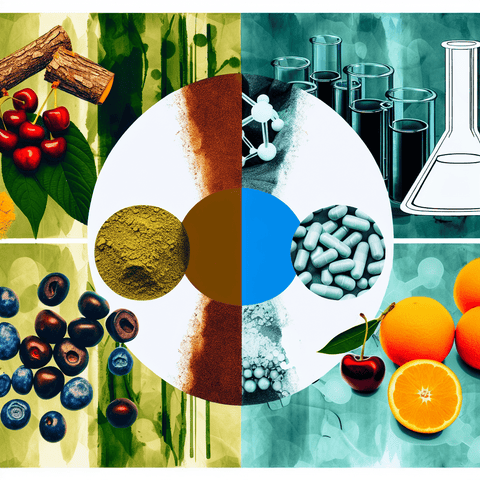
A key distinction in herbal supplements is between standardized extracts and whole-herb powders. A standardized extract is processed to contain a guaranteed amount of a specific active compound, or marker. For example, a standardized turmeric extract might be guaranteed to contain 95% curcuminoids. This ensures a consistent dose of the key active ingredient with every serving. Whole-herb powders, on the other hand, are simply the dried and ground plant material. They contain the full spectrum of the plant's compounds but in lower, more variable concentrations. Standardized extracts are often preferred when a specific, consistent therapeutic effect is desired, while whole-herb powders are valued for their holistic, full-spectrum profile.
The Rationale Behind Using Herbal Supplements for Consistent Dosing
The primary rationale for using a supplement over culinary or tea forms is the need for a consistent, therapeutic dose. For certain health goals, the amount of an active compound required to have a noticeable effect is much higher than what you would get from seasoning your food. For example, the dose of curcumin used in clinical studies for its anti-inflammatory effects is far greater than what is typically consumed in a curry. A standardized supplement allows for precise, repeatable dosing, which is essential for achieving predictable results and for conducting and applying scientific research.
Comparing Single-Herb Supplements and Herbal Blends
Herbal supplements are available as single-herb products or as blends of multiple herbs. A single-herb supplement is straightforward and allows for clear attribution of effects, making it easier to understand what is working. Herbal blends, on the other hand, are formulated based on the principle of synergy, where different herbs are combined to enhance each other's effects or to address multiple aspects of a health concern simultaneously. For example, a sleep blend might combine valerian root, chamomile, and lemon balm to promote relaxation through different mechanisms. Both approaches have merit; single herbs offer clarity, while well-designed blends can offer a more comprehensive effect.
When Supplementing With Herbal Remedies May Be Worth Considering
Supplementation is not necessary for everyone, but there are specific situations where it may be a valuable addition to a health regimen. It is important to consider these scenarios as opportunities for targeted support rather than as a blanket recommendation.
Situations Where Diet Alone May Not Provide Adequate Herbal Support
There are times when the concentration of beneficial compounds needed for a therapeutic effect is difficult to achieve through diet alone. For instance, to get a clinically relevant dose of curcumin from turmeric powder, you would need to consume an impractical amount. Similarly, the active compounds in some herbs, like ashwagandha or ginkgo, are not commonly consumed in large quantities as food. In these cases, a concentrated supplement is the only practical way to achieve a dose that has been studied for its potential health benefits.
Herbal Supplements for Specific Lifestyle Demands and Stressful Periods
Certain life phases can place increased demands on the body, making targeted herbal support beneficial. Periods of intense stress, such as a demanding work project or an exam season, might be a time when an adaptogen like ashwagandha could help support resilience. Frequent travel, which can disrupt sleep and digestion, might warrant the use of a calming or digestive-supporting herb. For athletes or those with high physical demands, herbs that support recovery and reduce inflammation, like turmeric, could be relevant. In these situations, a supplement can provide a temporary, targeted boost to help the body cope with increased stress.
The Difference Between General Wellness Support and Targeted Care
It is helpful to distinguish between using herbs for general wellness and using them for targeted care. General wellness support might involve incorporating a daily cup of green tea or adding a spoonful of a herbal powder to a smoothie for its antioxidant value. This is a low-dose, preventative approach. Targeted care, in contrast, involves using a specific herb at a higher, therapeutic dose to address a particular concern, such as using a standardized valerian extract for insomnia. Understanding this difference helps in choosing the right product and dose for your specific needs.
How to Choose a High-Quality Herbal Supplement: Form, Bioavailability, and Dosage
Navigating the supplement aisle can be overwhelming. To make an informed choice, it is important to consider the form of the supplement, its bioavailability, and the appropriate dosage, as these factors significantly impact its effectiveness.
Capsules, Tablets, Tinctures, or Teas: Which Format Is Best?
The best format for an herbal supplement depends on the herb and your personal preferences. Capsules and tablets are convenient and offer precise dosing, making them ideal for standardized extracts. Tinctures are rapidly absorbed and can be easily adjusted in dose, but they have an alcohol taste that some find unpleasant. Teas are gentle and soothing but are best for water-soluble compounds and lower-dose, everyday support. Powders are versatile and can be mixed into drinks or food. There is no single "best" format; the most effective one is the one you will use consistently and that is appropriate for the specific herb and its active constituents.
Understanding Dosage: Potency, Concentration, and Daily Serving Sizes
Dosage is a critical factor in the effectiveness of an herbal supplement. The label should clearly state the amount of the herb or its active compound per serving. For standardized extracts, this is often expressed as a percentage (e.g., "standardized to 5% withanolides"). For whole-herb powders, the dose is simply the weight of the powder (e.g., 500 mg). It is important to follow the manufacturer's recommended serving size and not to assume that a higher dose is more effective. In fact, for some herbs, very high doses can be counterproductive or cause side effects. The right dose depends on the herb, the form, and the intended use.
Maximizing Bioavailability: Extracts, Carrier Fats, and Digestion
Bioavailability refers to the proportion of a substance that enters the bloodstream and has an active effect. Many herbal compounds have poor bioavailability, meaning they are not easily absorbed by the body. For example, curcumin is notoriously poorly absorbed. To address this, manufacturers may use specialized extracts, such as those complexed with piperine (from black pepper) or formulated with liposomes or phytosomes to enhance absorption. Additionally, taking fat-soluble herbal extracts with a meal that contains fat can significantly improve their uptake. Understanding these factors can help you choose a product that will actually deliver its active compounds effectively.
Single Ingredients vs. Combination Formulas: How to Decide
Deciding between a single-ingredient supplement and a combination formula depends on your specific goals. If you are targeting a single, well-defined issue and want to know exactly what you are taking, a single-ingredient product is a good choice. If you are looking for a more comprehensive approach to a complex issue like stress or sleep, a combination formula might be more convenient and potentially more effective due to synergistic effects. However, combination formulas can make it harder to identify which ingredient is causing a particular effect or side effect. For those new to herbal supplements, starting with a single-ingredient product is often a more straightforward approach.
What to Look for on a Herbal Supplement Label
Reading a supplement label is an essential skill for ensuring you are getting a safe, high-quality product. Beyond the marketing claims, the label contains crucial information about what is actually in the bottle.
Identifying the Scientific Plant Name on the Label
The most important piece of information on a label is the scientific name of the plant, which includes the genus and species (e.g., Withania somnifera for ashwagandha). This is critical because common names can be ambiguous and refer to different plants. For example, "ginseng" could refer to Panax ginseng (Asian ginseng) or Eleutherococcus senticosus (Siberian ginseng), which have different properties. The label should also indicate the part of the plant used (e.g., root, leaf, berry), as this can also affect the supplement's activity.
Reading for Standardization, Extraction Ratios, and Solvents Used
For extracts, the label should provide details about the extraction process. A "standardized extract" will state the percentage of a marker compound. An "extraction ratio" (e.g., 4:1) indicates how much plant material was used to produce one part of the extract. The solvent used for extraction (e.g., water, alcohol, or a combination) is also important, as different solvents extract different compounds. This information gives you insight into the concentration and character of the product you are purchasing.
Quality Indicators: Third-Party Testing, GMP Certification, and Expiration Dates
Look for indicators of quality and safety. A "Good Manufacturing Practices" (GMP) certification indicates that the product is manufactured in a facility that follows FDA regulations for quality control. Third-party testing, such as a seal from USP, NSF, or ConsumerLab, means that an independent organization has verified the product's purity, potency, and ingredient accuracy. Always check the expiration date to ensure the product is fresh and will retain its potency. These markers provide confidence that the product contains what it claims and is free from harmful contaminants.
Red Flags to Avoid: Proprietary Blends, Hidden Fillers, and Artificial Additives
Be wary of certain label practices. A "proprietary blend" can be a red flag, as it lists the total weight of a mixture of ingredients without disclosing the amount of each individual herb, making it impossible to know if you are getting an effective dose of any one component. Also, avoid products with unnecessary fillers, artificial colors, flavors, or preservatives. A clean, transparent label that clearly lists all ingredients and their amounts is a sign of a reputable manufacturer. For more guidance on selecting high-quality supplements, you can explore resources like the herbal supplements guide.
Who Might Benefit Most From Adding Herbal Supplements
While herbal supplements can be used by many, certain groups may find them particularly beneficial. It is important to remember that individual needs vary, and these are general categories, not prescriptive advice.
Busy Professionals and Chronic Stress Management
Individuals with high-stress lifestyles, such as busy professionals, may benefit from adaptogenic herbs like ashwagandha or rhodiola. These herbs are traditionally used to help the body maintain balance and resilience in the face of chronic stress, potentially improving energy levels, focus, and overall mood. For those who struggle to find time for stress-reducing activities, a supplement can be a practical tool to support their body's stress response system.
Older Adults Looking for Gentle, Plant-Based Wellness Support
As we age, our bodies may become less efficient at absorbing nutrients and maintaining optimal function. Older adults may find gentle herbal support beneficial for issues like joint discomfort (turmeric, boswellia), cognitive function (ginkgo), or sleep quality (valerian, chamomile). Herbal remedies can offer a more holistic and often gentler approach compared to some conventional medications, but it is especially important for this group to be aware of potential interactions with prescription drugs.
People with Restricted Diets or Limited Dietary Variety
Individuals following very restrictive diets, such as vegan, vegetarian, or elimination diets, may have a limited intake of certain phytochemicals. Similarly, those who do not eat a wide variety of plant foods may miss out on the diverse range of antioxidants and other beneficial compounds that herbs provide. In these cases, a targeted herbal supplement can help fill in the gaps and ensure a broader spectrum of phytonutrient support.
When Professional Guidance or Blood Testing Is Recommended
It is crucial to recognize when self-directed supplementation is not appropriate. If you have a chronic medical condition, are taking prescription medications, or are pregnant or breastfeeding, you should always consult with a healthcare professional before starting any herbal supplement. Additionally, if you are experiencing persistent or severe symptoms, it is important to seek medical advice rather than self-treating with herbs. A doctor or qualified herbalist can help you determine the root cause of your concerns and recommend a safe and effective course of action, which may or may not include herbal remedies.
Herbal Remedies Safety: Interactions, Side Effects, and Professional Advice
While herbs are natural, they are not inherently safe for everyone in all situations. They contain potent bioactive compounds that can have significant effects and interact with medications. A responsible approach to herbal remedies requires a clear understanding of their potential risks.
Interactions Between Herbal Supplements and Common Medications
Herbal supplements can interact with a wide range of medications, sometimes with serious consequences. For example, St. John's Wort, a popular herb for mood support, is known to speed up the liver's metabolism of many drugs, including birth control pills, antidepressants, and blood thinners, potentially making them less effective. Ginkgo biloba and high doses of garlic or fish oil can increase the risk of bleeding when taken with anticoagulant medications like warfarin. It is essential to inform your doctor and pharmacist about all supplements you are taking to avoid potentially dangerous interactions.
Who Should Avoid Certain Herbs: Pregnancy, Medical Conditions, and Allergy Considerations
Certain populations should exercise extreme caution or avoid specific herbs altogether. Pregnant and breastfeeding women should avoid many herbs, as their effects on fetal development and infants are often unknown or unsafe. People with autoimmune diseases, liver or kidney disease, or hormone-sensitive conditions may need to avoid specific herbs that could exacerbate their condition. Allergic reactions to plants are also possible. For example, individuals allergic to ragweed may also react to chamomile or echinacea. Always research the specific herb and its contraindications before use.
Understanding What an Upper Limit Is in the Context of Herbs
Unlike vitamins and minerals, which have established upper intake limits (ULs), most herbs do not have a defined UL. This does not mean that "more is better." It means that the safe upper limit is less well-defined and can vary greatly between individuals. Taking excessively high doses of an herb can lead to toxicity, liver damage, or other adverse effects. It is crucial to adhere to the recommended dosage on the product label and to be cautious about combining multiple products that contain the same herb. The principle of moderation is key when using herbal remedies.
Making Your Decision: Food First, Targeted Supplementation Second
Deciding whether to incorporate an herbal supplement into your routine is a personal choice that should be made with careful consideration. A thoughtful, step-by-step approach can help you make the best decision for your health.
Questions to Ask Yourself Before Buying an Herbal Supplement
Before making a purchase, ask yourself a few key questions. What is my specific health goal? Is my diet and lifestyle already optimized to support this goal? Have I researched the specific herb and its potential benefits and risks? Is this a product from a reputable brand that provides transparent labeling and third-party testing? Am I taking any medications that could interact with this herb? Answering these questions honestly can help you determine if a supplement is truly necessary and appropriate for your situation.
How to Track Your Response to an Herbal Remedy Over Time
If you decide to try an herbal supplement, it is wise to track your response systematically. Start with one new supplement at a time so you can clearly attribute any effects. Keep a simple journal noting the date, the dose you took, and any changes you notice in your symptoms, mood, energy, or sleep. Remember that herbal remedies often work gradually, and it may take several weeks to notice a significant difference. Tracking your experience will help you and your healthcare provider determine if the supplement is effective for you.
When to Consult a Qualified Herbalist or Healthcare Provider
While many herbal remedies can be used safely for minor, self-limiting conditions, there are times when professional guidance is essential. If you have a complex or chronic health condition, are taking multiple medications, or are unsure about which herb to choose, consulting a qualified herbalist or a doctor with training in botanical medicine is a wise investment. They can provide personalized recommendations based on your individual health history, help you navigate potential interactions, and monitor your progress safely.
Final Thoughts: Using Herbal Remedies for Sustainable Wellness
Herbal remedies offer a valuable and time-honored approach to supporting health and wellbeing. They are not a magic bullet, but rather a powerful tool that works best when integrated into a holistic lifestyle that prioritizes a nutrient-dense diet, regular exercise, stress management, and adequate sleep. The key to using them effectively lies in informed decision-making: understanding what they are, how they work, and how to choose high-quality products safely.
The Bottom Line on Herbal Support and Informed Supplement Selection
The journey to wellness is personal and multifaceted. Herbal remedies can be a wonderful complement to a healthy lifestyle, offering gentle, plant-based support for a variety of everyday health concerns. However, they should be approached with the same respect and caution as any other health intervention. By prioritizing a food-first approach, understanding your individual needs, and carefully selecting high-quality, transparently labeled products, you can harness the power of plants to support your health sustainably. Remember that supplements are just one piece of the puzzle; true wellness is built on a foundation of consistent, healthy habits. For those interested in exploring specific supplement categories, resources on multivitamins and minerals like magnesium can provide further context on how different nutrients work together.
Key Takeaways
- Herbal remedies are plant-based preparations used to support health, with a long history in traditional medicine systems worldwide.
- The active compounds in herbs, such as phytochemicals and antioxidants, are responsible for their potential health benefits.
- A food-first approach, rich in a variety of plants and culinary herbs, is the foundational way to benefit from these compounds.
- Herbal supplements, particularly standardized extracts, can provide consistent, therapeutic doses that are difficult to achieve through diet alone.
- Individual responses to herbs vary significantly due to genetics, digestion, lifestyle, and health status.
- Choosing a high-quality supplement involves checking for the scientific plant name, standardization details, and third-party testing.
- Herbal remedies can interact with medications and are not safe for everyone, including pregnant women and those with certain medical conditions.
- Supplements should be used for targeted support, not as a substitute for a healthy diet and lifestyle.
- Tracking your response and consulting a healthcare professional are important steps for safe and effective use.
Frequently Asked Questions
What are herbal remedies?
Herbal remedies are products made from plants, such as leaves, roots, flowers, or seeds, that are used to support health and wellbeing. They can be consumed in various forms, including teas, tinctures, capsules, and powders. Their effects are attributed to the complex mixture of bioactive compounds they contain.
Are herbal remedies safe?
While many herbs are safe for most people when used appropriately, they are not without risk. They can cause side effects, trigger allergic reactions, and interact with prescription medications. Safety depends on the specific herb, the dose, and the individual's health status. It is crucial to research and consult a healthcare professional, especially if you have health conditions or take medications.
What is the difference between a culinary herb and a medicinal herb?
The main difference lies in the dose and purpose. Culinary herbs are used in small amounts to flavor food and provide a mild, nutritional benefit. Medicinal herbs are used in larger, more concentrated doses, often as extracts or supplements, specifically to achieve a therapeutic effect on the body.
How do I know which herbal remedy is right for me?
Choosing the right herbal remedy depends on your specific health goals and individual circumstances. Start by identifying the health concern you want to address, such as stress, sleep, or digestion. Then, research herbs traditionally used for that purpose and consider factors like your overall health, medications, and lifestyle. Consulting a qualified herbalist or healthcare provider can provide personalized guidance.
Can herbal remedies interact with my medications?
Yes, herbal remedies can interact with many common medications, potentially making them less effective or increasing the risk of side effects. For example, St. John's Wort can reduce the effectiveness of birth control pills and antidepressants, while ginkgo can increase bleeding risk with blood thinners. Always inform your doctor and pharmacist about all supplements you are taking.
What is a standardized herbal extract?
A standardized extract is a supplement that has been processed to contain a guaranteed amount of a specific active compound, known as a marker. For example, a standardized turmeric extract may be guaranteed to contain 95% curcuminoids. This ensures a consistent dose of the key active ingredient in every serving, which is important for achieving predictable results.
How long does it take for herbal remedies to work?
The time it takes for an herbal remedy to work varies greatly depending on the herb, the form, the dose, and the individual. Some herbs, like those used for acute digestive issues, may work within minutes or hours. Others, like adaptogens for stress, may take several weeks of consistent use to produce noticeable effects. Patience and consistency are key.
Can I take herbal remedies with vitamins and minerals?
In many cases, yes, but it is important to be cautious. Some herbs can affect the absorption or metabolism of certain vitamins and minerals. For example, some herbs may interfere with iron absorption. To be safe, it is often recommended to take herbal supplements at a different time of day than vitamin and mineral supplements. A healthcare professional can help you determine the best timing and combination for your needs.
What is the best form of herbal remedy: tea, tincture, or capsule?
There is no single "best" form; it depends on the herb and your needs. Teas are gentle and good for water-soluble compounds and everyday support. Tinctures are rapidly absorbed and offer flexible dosing. Capsules and tablets are convenient and ideal for standardized extracts with precise dosing. The best form is the one that is appropriate for the herb and that you will use consistently.
Are there any herbs I should avoid during pregnancy?
Yes, many herbs are not safe to use during pregnancy, as they can stimulate the uterus or have unknown effects on the developing fetus. Herbs to avoid include, but are not limited to, black cohosh, blue cohosh, pennyroyal, and high doses of sage or rosemary. Pregnant and breastfeeding women should always consult with their healthcare provider before using any herbal remedy.
Can I take herbal remedies for a long time?
Long-term use of herbal remedies should be approached with caution. While some herbs are safe for extended use, others may lose their effectiveness or cause cumulative side effects over time. It is often recommended to take "herbal holidays" or breaks from certain supplements. The safety of long-term use depends on the specific herb and your individual health profile.
What should I look for when buying an herbal supplement?
When buying an herbal supplement, look for the scientific plant name, the part of the plant used, and the concentration or standardization details. Check for quality indicators like third-party testing seals (e.g., USP, NSF) and GMP certification. Avoid products with proprietary blends, hidden fillers, and artificial additives. A transparent label is a sign of a reputable manufacturer.
Related Keywords
- herbal remedies
- herbal medicine
- botanical supplements
- adaptogenic herbs
- herbal teas for health
- phytochemicals and antioxidants
- standardized herbal extracts
- herbal supplement safety
- herbs for stress and sleep
- herbs for digestion
- immune support herbs
- natural wellness
- plant-based health support