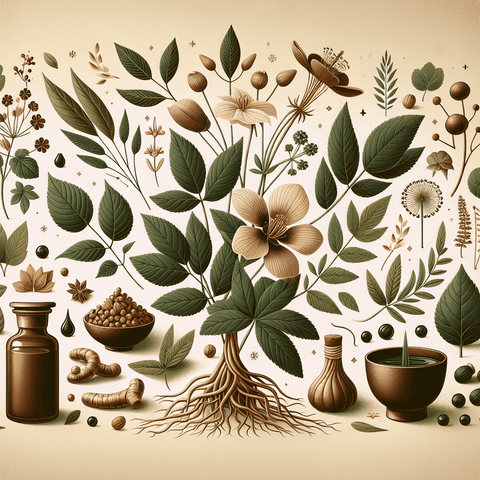
Herbal Resilience: Understanding the Role of Botanicals in Everyday Wellness
Herbal resilience refers to the way plant-based ingredients can support the body’s natural ability to adapt to everyday stress and maintain balance. While no single herb works miracles, a consistent approach to botanicals—alongside proper sleep, nutrition, and movement—can contribute meaningfully to overall vitality and emotional well-being.
Key Herbs Often Associated with Stress Adaptation
Certain botanicals have a long history of traditional use for supporting the body during periods of physical or mental strain. These are frequently referred to as adaptogens, though it is important to remember that individual responses vary and research is ongoing.
- Ashwagandha is one of the most studied herbs for stress support. It is traditionally used in Ayurvedic medicine and is believed to help modulate cortisol levels, which may support a calmer response to daily pressures.
- Turmeric, specifically its active compound curcumin, is widely researched for its antioxidant properties. While not directly linked to stress, reducing oxidative stress may support overall resilience and metabolic health.
- Rhodiola rosea is another adaptogen commonly used to combat fatigue and improve mental performance during demanding periods.
A Broader Approach to Building Resilience
Resilience is not built by a single supplement alone. Vitamins and minerals play essential roles in energy metabolism and nervous system function. For example, B vitamins, magnesium, and vitamin C all support pathways involved in energy production and neurotransmitter synthesis. A well-rounded intake of these nutrients—whether from food or targeted supplements—helps create a foundation for the body to respond to stress more effectively.
For those interested in exploring these ingredients, herbal supplements can offer a convenient way to incorporate botanicals into a daily routine. Similarly, ashwagandha supplements and turmeric supplements are commonly chosen for their targeted support.
As with any supplement, quality matters. Look for products that disclose their active compounds and third-party testing. Additionally, consult a healthcare provider before adding herbal products, especially if you take medication, are pregnant, or have underlying health conditions. Building resilience is a gradual process—consistency, not intensity, is what ultimately makes the difference.