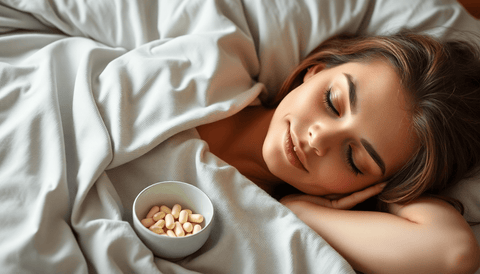
Herbal sleep remedies are plant-based preparations—such as valerian root, chamomile, and lemon balm—that have traditionally been used to promote relaxation and support restful sleep. In this article, we explain what herbal sleep remedies are, how they are thought to work, and how they differ from prescription sleep medication. You will also learn which dietary and lifestyle habits influence sleep quality, which nutrients and herbal extracts are commonly used for sleep support, how to choose a quality supplement, and which safety considerations matter. Because sleep is shaped by many factors, understanding the full picture helps you decide whether simple changes may be enough or whether supplementation could be a reasonable addition.
What Are Herbal Sleep Remedies?
Herbal sleep remedies are products derived from plants that are traditionally used to calm the nervous system, ease tension, and support the ability to fall or stay asleep. They range from simple chamomile tea to concentrated extracts in capsules, tinctures, and powders. Many have been used for centuries in European, Asian, and traditional herbal medicine systems.
How Herbal Sleep Aids Differ from Prescription Sleep Medication
Prescription sleep medications are pharmaceutical agents that act directly on specific receptors in the brain and are approved for treating diagnosed sleep disorders under medical supervision. Herbal sleep aids are generally milder, work through broader relaxing or calming mechanisms, and are typically positioned as supporting relaxation rather than treating insomnia as a medical condition. Evidence for herbal remedies is often more modest and varies considerably between herbs. If you suspect a persistent sleep disorder, medical assessment is the appropriate first step—herbs are not a substitute for diagnosis or treatment.
Common Herbs Used for Sleep and Their Traditional Uses
Several herbs have long histories of use for relaxation and sleep:
- Valerian root – one of the most studied herbs for sleep, traditionally used in Europe for restlessness and difficulty falling asleep.
- Chamomile – widely consumed as a calming tea, traditionally used for mild nervous tension and digestive comfort.
- Lemon balm – a lemon-scented herb from the mint family, traditionally used to ease stress and promote calm.
- Passionflower – historically used in the Americas and Europe for nervous restlessness.
- Lavender – used both as an aroma (essential oil) and as an oral preparation in traditional practice.
- Hops – traditionally combined with valerian for its calming reputation.
Traditional use is not the same as proven efficacy, but it does provide a basis for the modern research exploring these plants.
How Do Herbal Sleep Remedies Work?
The Role of GABA and Calming Neurotransmitters
Many calming herbs are studied for their potential interaction with GABA (gamma-aminobutyric acid), the brain's primary inhibitory neurotransmitter. GABA activity helps "quiet" nerve signaling, which is associated with relaxation and sleepiness. Valerian, for example, has been investigated for possible effects on GABA-related pathways, though the exact mechanisms remain only partially understood. Other herbs contain compounds with antioxidant or mild sedative properties that may contribute to a general sense of calm. Research is ongoing, and effects are generally subtle rather than dramatic.
Why Herbal Remedies Often Combine Multiple Calming Herbs
Many sleep formulas combine several herbs—such as valerian with hops, or lemon balm with passionflower. The rationale is that different plants may act through complementary mechanisms, or that smaller doses of several herbs may be better tolerated than a large dose of one. There is some research on specific combinations, but comparative evidence is limited. Blends can be useful, though single-herb products make it easier to identify which plant suits you personally.
Health and Nutritional Relevance of Sleep
Why Quality Sleep Matters for Overall Health
Sleep is not passive rest. During sleep, the body consolidates memory, regulates hormones involved in appetite and stress, and supports immune function. Chronically short or disrupted sleep has been associated with impaired concentration, low mood, and increased long-term health risks. Because sleep affects so many systems, improving it can have wide-ranging benefits—and because many factors influence it, no single remedy can replace good overall sleep habits.
The Link Between Stress, Sleep, and Diet
Stress and sleep form a two-way relationship: stress makes it harder to fall asleep, and poor sleep reduces resilience to stress. Diet plays into this cycle as well. Irregular meals, high caffeine and alcohol intake, and low intake of nutrients involved in nervous system function—such as magnesium and certain B vitamins—may all contribute to feeling tense or restless in the evening. Addressing stress, diet, and sleep together is often more effective than targeting sleep alone. Adaptogenic herbs such as ashwagandha are also studied for their role in stress support, which can indirectly affect sleep.
Common Causes of Poor Sleep
Lifestyle Factors That Disrupt Sleep
Common disruptors include irregular bedtimes, screen exposure late in the evening, insufficient daylight exposure during the day, late-night exercise, and an environment that is too warm, bright, or noisy. Chronic stress and racing thoughts are among the most frequent contributors to difficulty falling asleep. Identifying your personal disruptors is often the most valuable first step.
Dietary Habits and Nutrient Intake That Affect Sleep Quality
Caffeine consumed after mid-afternoon can linger in the body for hours. Alcohol may hasten falling asleep but typically fragments sleep in the second half of the night. Heavy meals close to bedtime can cause discomfort. On the positive side, regular balanced meals and adequate intake of nutrients such as magnesium support normal muscle and nerve function, which some people find relevant to relaxation. A general guide to magnesium and its role in the body can help put this nutrient in context.
Why Sleep Needs and Responses Differ Between Individuals
Age and Hormonal Changes
Sleep architecture changes across life. Older adults often sleep more lightly and wake earlier; adolescents need more sleep than adults. Hormonal shifts—during the menstrual cycle, pregnancy, perimenopause, and menopause—can noticeably affect sleep quality. What works for one life stage may not work for another.
Individual Sensitivity to Calming Herbs
Responses to herbal remedies vary considerably. Some people notice clear relaxation from chamomile, while others feel little. Genetics, body weight, gut function, concurrent medications, and even expectation can all influence the response. Starting with a low amount and observing the effect over several nights is a sensible approach.
Diet and Lifestyle Strategies to Support Better Sleep
Foods and Drinks That Naturally Support Relaxation
A warm, caffeine-free drink in the evening—chamomile tea, for example—is a simple ritual that combines hydration, warmth, and a wind-down cue. Foods containing magnesium (leafy greens, nuts, seeds, whole grains) and tryptophan-containing foods (dairy, turkey, bananas) are sometimes suggested for evening meals, though the direct effect on sleep from any single food is modest. Consistency of meal timing matters more than any "sleep food."
Evening Habits and Sleep Hygiene Practices
Well-established sleep hygiene practices include:
- Keeping a consistent bedtime and wake time, including weekends
- Dimming lights and reducing screens in the final hour before bed
- Keeping the bedroom cool, dark, and quiet
- Limiting caffeine after early afternoon and moderating alcohol
- Using the bedroom primarily for sleep
- Building a short, repeatable wind-down routine
These habits form the foundation on which any herbal remedy works—or doesn't.
Relevant Nutrients and Supplements for Sleep Support
Magnesium and Its Role in Relaxation
Magnesium contributes to normal functioning of the nervous system and to normal muscle function—both officially approved health claims in the EU. Some people take magnesium in the evening because of these roles, and certain forms (such as magnesium glycinate) are popular for this purpose. Magnesium is not a sedative, but correcting a low intake may support overall relaxation. If you want more detail, see our magnesium collection and guide.
The Role of L-Theanine and Glycine in Sleep Quality
L-theanine, an amino acid found in green tea, is studied for its potential to promote relaxation without drowsiness. Glycine, another amino acid, has been investigated in small studies for its possible effect on sleep quality when taken before bed. Evidence is promising but still limited, and effects vary between individuals. These compounds are typically used alongside—not instead of—good sleep habits.
Herbal Extracts: Valerian Root, Chamomile, Lemon Balm, and More
Concentrated extracts offer higher doses than teas. Valerian root is the most researched; some studies suggest it may modestly reduce the time it takes to fall asleep, though results are mixed. Chamomile and lemon balm are gentler and widely used for evening relaxation. Passionflower, hops, and lavender appear in many formulations, sometimes in combination. For an overview of how herbal products are categorized and what to look for, our herbal supplements guide covers sourcing and quality considerations.
When Supplementation with Herbal Sleep Remedies May Be Relevant
Situations Where Dietary Intake May Be Inadequate
Supplementation is situation-dependent rather than routine. It may be worth considering when your diet is low in relaxation-relevant nutrients like magnesium, when evening stress consistently interferes with winding down, or when tea-like rituals alone feel insufficient. It is not necessary for people who already fall asleep easily with good habits.
Using Herbal Sleep Remedies for Occasional Sleeplessness vs. Chronic Insomnia
Herbal remedies are best suited to occasional sleeplessness—stressful weeks, jet lag, or a racing mind after a busy day. Chronic insomnia, meaning sleep difficulties occurring most nights for a month or longer, warrants professional evaluation. Cognitive behavioral therapy for insomnia (CBT-I) is the recommended first-line approach for chronic insomnia, and herbs should not delay or replace that care.
How to Choose a Quality Herbal Sleep Supplement
Single-Herb Extracts vs. Blended Formulations
Single-herb products (for example, pure valerian extract) allow you to test one plant at a time and adjust the dose precisely. Blends offer convenience and may combine complementary herbs, but make it harder to identify which ingredient agrees with you. If you are sensitive to new supplements, starting with a single herb is often the cleaner approach.
Capsules, Teas, Tinctures, and Powders: Which Form Is Right for You?
- Teas – gentle doses, pleasant ritual, ideal for beginners; taste and convenience may limit consistency.
- Capsules and tablets – precise, standardized doses, tasteless, easy to take nightly.
- Tinctures (liquid extracts) – flexible dosing and potentially faster onset; contain alcohol in many cases.
- Powders – can be mixed into drinks; dosing depends on accurate measuring.
The "best" form is the one you will actually use consistently. Onset and dose differ between forms, so compare labels carefully.
Interpreting Label Terms: Standardized Extracts, Potency, and Quality
A standardized extract guarantees a specific amount of a marker compound (for example, valerenic acid in valerian), which makes dosing more reliable than raw herb powder. Look for extracts with a stated extraction ratio or standardization, clear ingredient amounts per serving, minimal unnecessary additives, and manufacturing by a reputable producer. Third-party testing or recognized quality certifications add further assurance. Our broader guide to natural supplements explains what to look for across supplement categories.
Safety and Interactions of Herbal Sleep Remedies
Potential Side Effects and Upper Intake Considerations
Herbal sleep remedies are generally well tolerated at typical doses, but side effects can occur, including mild digestive upset, headache, drowsiness the next morning, or vivid dreams (notably with valerian). Since these products cause drowsiness, they should not be combined with alcohol or taken before driving. There are no universally defined upper intake levels for most herbal extracts, so following label directions and avoiding the assumption that more is better is the safest approach.
Medication Interactions and Contraindications
Calming herbs may interact with sedatives, benzodiazepines, sleep medications, some antidepressants, and other central nervous system depressants, potentially amplifying drowsiness. Valerian and other herbs may also affect enzymes involved in drug metabolism. People taking prescription medication should check with a pharmacist or physician before combining herbs with their treatment.
Who Should Consult a Healthcare Professional Before Use
Professional advice is warranted for people who are pregnant or breastfeeding, children, older adults taking multiple medications, anyone with a diagnosed sleep disorder or neurological condition, and those scheduled for surgery (some herbs affect anesthesia-related pathways). If sleeplessness persists for weeks, seek assessment rather than increasing supplement doses.
Making an Informed Decision About Herbal Sleep Remedies
When Lifestyle Changes May Be Sufficient
If your sleep problems are mild and clearly linked to temporary stress, caffeine, screens, or irregular schedules, adjusting those factors first is usually the most effective—and most sustainable—step. A consistent routine, reduced evening stimulation, and a calming bedtime ritual such as chamomile tea resolve sleeplessness for many people without dedicated supplements.
Key Factors to Consider Before Choosing a Sleep Supplement
Before buying, ask yourself:
- Have I addressed the obvious lifestyle disruptors first?
- Do I want a gentle single herb or a multi-ingredient blend?
- Does the label specify extract amounts or standardization?
- Am I taking any medications that could interact?
- Is my sleeplessness occasional, or persistent enough to warrant medical advice?
- Am I prepared to evaluate the effect honestly over one to two weeks rather than expecting immediate results?
Conclusion
Practical Takeaways for Better Sleep Tonight
Herbal sleep remedies—valerian, chamomile, lemon balm, passionflower, and others—offer a gentle, traditional approach to evening relaxation, supported by varying levels of modern research. They work best as part of a wider picture: consistent sleep times, a calm bedroom, limited late caffeine and alcohol, and adequate intake of nutrients like magnesium. Responses differ between individuals, so start low, observe, and prefer standardized, quality-tested products when you do supplement. Occasional sleeplessness is a reasonable target for herbal support; persistent insomnia deserves professional evaluation. Used sensibly, herbal remedies can be a helpful complement—not a replacement—for the habits that build good sleep.
Frequently Asked Questions
What are herbal sleep remedies?
They are plant-based preparations—teas, extracts, capsules, and tinctures—traditionally used to promote relaxation and support sleep. Common examples include valerian root, chamomile, lemon balm, passionflower, and hops.
How long do herbal sleep aids take to work?
Teas and tinctures may produce a relaxing effect within 30–60 minutes as part of a wind-down routine. Extracts such as valerian are typically evaluated over one to two weeks of consistent use rather than as a single-night solution.
Is valerian root effective for sleep?
Valerian is the most studied herb for sleep, and some research suggests it may modestly shorten the time it takes to fall asleep. However, results are mixed, and not everyone responds noticeably.
Can I take herbal sleep remedies every night?
Occasional nightly use at label-recommended doses is generally considered acceptable for most healthy adults. If you find you need a sleep aid every night for weeks, consult a healthcare professional to explore underlying causes.
Do herbal sleep remedies cause morning drowsiness?
Most people do not experience a "hangover" effect at typical doses, but it can occur, particularly with higher amounts of valerian. Trying a lower dose first helps assess your individual response.
Which form is better: tea, capsules, or tincture?
Teas offer gentle doses and a relaxing ritual; capsules provide precise, standardized amounts; tinctures allow flexible dosing. Choose based on how strong an effect you want and which form fits your routine.
Can I combine herbal sleep remedies with melatonin?
Short-term combined use is common, but interactions and individual responses vary. It is wise to introduce one at a time and consult a healthcare professional if you take other medication.
Do herbal sleep aids interact with medications?
Yes, potentially. They may amplify the effects of sedatives, sleep medications, and some antidepressants. Always check with a pharmacist or doctor if you take prescription drugs.
Are herbal sleep remedies safe during pregnancy?
Many calming herbs are not recommended during pregnancy or breastfeeding due to limited safety data. Professional guidance is essential before using any herbal product in these situations.
What foods help you sleep better?
No food is a sleep medicine, but balanced evening meals with magnesium-rich foods (greens, nuts, whole grains) and tryptophan sources (dairy, turkey) support the nutrients involved in nervous system function. Avoiding late caffeine and alcohol matters more.
Can magnesium help with sleep?
Magnesium contributes to normal nervous system and muscle function, and adequate intake supports relaxation. It is not a sedative, but people with low dietary intake may notice a difference when they correct it.
When should I see a doctor about sleep problems?
If sleeplessness occurs most nights for a month or longer, if daytime functioning is affected, or if you snore heavily and feel unrefreshed, seek medical assessment. These may indicate a condition that requires proper diagnosis rather than self-treatment.
Related Keywords
- herbal sleep remedies
- natural sleep aids
- valerian root for sleep
- chamomile tea benefits for sleep
- lemon balm relaxation
- passionflower supplement
- herbal supplements for sleep support
- magnesium for relaxation
- l-theanine sleep quality
- glycine before bed
- sleep hygiene tips
- calming herbs for sleep
- best natural remedies for insomnia
- herbal sleep tea