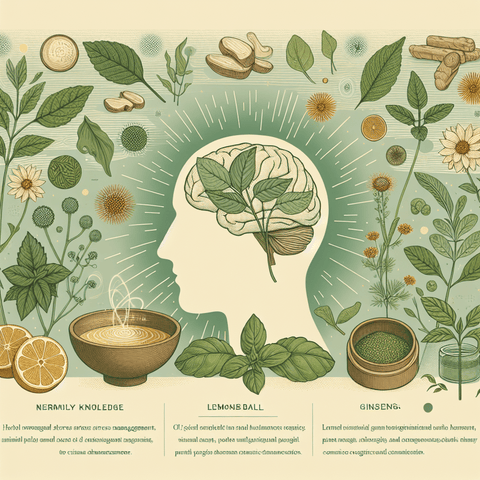
Stress is a common part of modern life, but chronic stress can take a toll on your overall well-being. Many people are turning to herbal stress reducers as a natural approach to supporting their body's response to pressure. This guide provides a broad overview of these botanicals, exploring what they are, how they work, and the key factors to consider when choosing a supplement.
What Are Herbal Stress Reducers?
Herbal stress reducers are plants and botanical extracts traditionally used to help the body manage stress and promote relaxation. Unlike synthetic sedatives, these herbs are believed to work through various pathways, often interacting with the nervous system to modulate the body's stress response. They are not designed to eliminate stress, but rather to support your body's natural ability to adapt and maintain equilibrium when faced with challenging situations.
The appeal of herbal remedies lies in their long history of use in traditional wellness practices and the perception that they are gentler, more holistic options. As interest in natural health grows, so does the need to understand these botanicals—from adaptogens to calming nervines—and how they may fit into a broader wellness plan.
Adaptogens: Supporting the Body's Stress Response
Adaptogens are a unique class of herbs that are thought to help the body resist and adapt to stress. They are believed to work by modulating the hypothalamic-pituitary-adrenal (HPA) axis, the central stress response system, and helping to balance cortisol levels. By doing so, they may help increase energy, improve focus, and promote a sense of calm.
Some of the most well-known adaptogens used for stress relief include:
- Ashwagandha: An herb with a long history of use, often researched for its ability to lower cortisol levels and support a sense of balance.
- Rhodiola: Traditionally used to support mental performance and reduce fatigue, making it a popular choice during demanding periods.
- Holy Basil: Valued for its calming properties and its role in promoting emotional balance.
For more detailed information on sourcing and safety, refer to our comprehensive guide to herbal supplements.
Calming Botanicals: Nervines and Relaxation
Beyond adaptogens, a group of herbs known as nervines work more directly to soothe the nervous system. These herbs are often used to reduce feelings of anxiety, promote relaxation, and support sleep. They are thought to work by increasing the activity of GABA, an inhibitory neurotransmitter that helps slow down the brain and reduce feelings of overwhelm.
Common calming botanicals include:
- Chamomile: Well-known for its gentle calming and sleep-promoting effects.
- Lemon Balm: Traditionally used to reduce anxiety and promote a sense of calm.
- Passionflower: Often used to ease restlessness and support relaxation.
- Valerian Root: Primarily used for its sedative properties to help improve sleep quality.
These herbs are often consumed as teas, tinctures, or in capsule form, each offering different levels of potency and convenience.
The Science of Stress: Acute vs. Chronic
To understand how herbal stress reducers can be beneficial, it helps to know what stress does to the body. Stress is a physiological reaction to a perceived threat, triggering a cascade of hormones that prepare you to fight, flee, or freeze. While this response is vital for survival, its constant activation in modern life can take a toll.
Acute stress is the short-term response to a specific event, like a looming deadline. It is a normal part of life. Chronic stress, however, is the persistent, low-grade stress that continues over an extended period. This is the type of stress that can be most detrimental, as the body never gets a chance to fully recover.
Constant stimulation of the stress response can lead to an overworked nervous system, dysregulated cortisol patterns, and difficulty relaxing even when the stressor is gone.
Options, Benefits, and Limitations of Herbal Support
Single Herbs vs. Combination Formulas
A single-herb supplement offers a high dose of one specific plant, making it easier to understand its effects. A combination formula blends multiple herbs, which may provide a synergistic effect, addressing both immediate feelings of stress and the body's long-term adaptation. For beginners, starting with a single, well-researched herb like ashwagandha is often easier to gauge individual response.
Dosage, Concentration, and Bioavailability
The dosage of the active compound is critical. Many products are standardized to contain a certain percentage of an active constituent, ensuring consistency between batches. For example, ashwagandha supplements are often standardized to a specific percentage of withanolides. Bioavailability, or how well your body absorbs a compound, is also important. Some herbs, like curcumin from turmeric, require specific extraction methods or added ingredients (like black pepper extract) to improve absorption.
You can explore ashwagandha supplements and turmeric supplements from our collection to see how these factors are presented on product labels.
The Importance of Quality and Purity
To ensure purity and safety, look for supplements that have been tested by a reputable third-party laboratory. These tests verify that the product contains what the label claims and is free from contaminants like heavy metals, pesticides, and microbes. Look for certifications like GMP (Good Manufacturing Practices) or seals from independent verification programs. Avoiding products with unnecessary fillers, artificial colors, and preservatives is also a good practice.
Practical Considerations for Daily Use
The format of an herbal remedy affects its potency and how it's absorbed. Herbal teas are gentle but contain the lowest concentration of active compounds. Tinctures are concentrated liquid extracts that are absorbed quickly, ideal for acute stress. Capsules and tablets provide a precise, consistent dose, making them a convenient option for daily, measurable supplementation.
Important Safety and Interaction Considerations
Natural does not automatically mean safe for everyone. Herbs can have potent effects, potential side effects, and can interact with medications.
- Side Effects: Some people may experience gastrointestinal upset, headaches, or drowsiness depending on the herb. For example, ashwagandha can cause an upset stomach in some individuals.
- Interactions: Many calming herbs can interact with sedatives, anti-anxiety medications, antidepressants, blood thinners, and thyroid medications.
- Special Populations: Most herbal stress reducers are not recommended during pregnancy or breastfeeding due to a lack of safety research. Children and the elderly may also be more susceptible to side effects.
It is always wise to consult a healthcare professional before starting a new supplement, especially if you are taking medications, are pregnant or breastfeeding, or have a pre-existing health condition.
A Holistic Approach: Diet, Lifestyle, and Supplements
Herbal supplements are not a substitute for a healthy lifestyle. The most effective and sustainable way to manage stress is to prioritize foundational habits: a nutrient-dense diet, regular sleep, physical activity, and mindfulness practices.
A balanced diet that includes essential nutrients can support a healthy nervous system. For example, nutrients like magnesium and B vitamins play important roles in energy production and nervous system function. Many people find it helpful to ensure their nutrient intake is adequate before adding botanical support.
Making an Informed Choice
Before starting any herbal supplement, consider these important questions:
- Have I optimized my diet, sleep, and exercise?
- Is this supplement from a reputable brand that uses third-party testing?
- Does the label list the specific amount of the active ingredient I am interested in?
The answers to these questions can help you navigate the market with confidence. Remember that herbal stress reducers should be one part of a complete, holistic approach to well-being—supporting your body's natural resilience rather than replacing healthy habits.
Frequently Asked Questions
What is the best natural stress reducer?
The best natural stress reducer depends on individual needs and the type of stress being experienced. Ashwagandha is widely researched for its adaptogenic properties, while calming herbs like chamomile are known for their immediate soothing effects. A combination of stress-reducing habits, such as exercise and mindfulness, alongside herbal support, is often most effective.
Which herb is best for stress relief?
For long-term stress adaptation, adaptogens like ashwagandha or rhodiola are often recommended. For acute anxiety or to promote relaxation, nervines like lemon balm or passionflower may be more suitable. The "best" herb often depends on whether you are looking for a daily adaptogen to build resilience or a calming herb for specific moments of stress.
For more information on related nutrients that support overall well-being, you can explore our magnesium supplements collection.