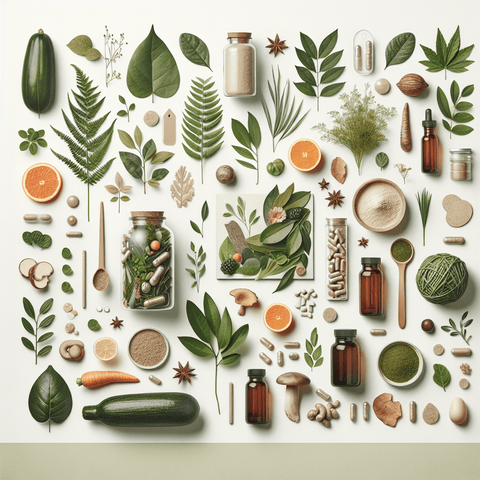
Herbal supplements have become a popular choice for individuals seeking natural ways to support their health and well-being. This guide serves as a comprehensive introduction to the world of botanicals, covering what they are, their major categories, and the crucial factors for choosing high-quality products. We will explore the core principles of quality indicators and safety, providing a practical framework for incorporating herbal supplements into a wellness routine.
What Are Herbal Supplements?
Herbal supplements are natural products derived from plants, used to support overall health and wellness rather than to treat specific diseases. They come in various forms, including capsules, liquids (tinctures), teas, powders, and topical applications. They can be made from the whole plant or from specific parts, such as roots, leaves, or berries. Some products are "whole-herb," containing the entire plant material, while others are "standardized extracts," which are processed to contain a consistent level of specific active compounds.
How They Differ from Conventional Medicines
A key distinction is that herbal supplements are generally intended for wellness support and preventive care, while conventional medicines are designed to diagnose, treat, or cure specific conditions. The strength and quality of herbal products can be variable, which is why understanding their proper use and safety guidelines is so important for maximizing benefits and minimizing risks.
Major Categories of Herbal Supplements
The world of herbal supplements is diverse, with different botanicals often associated with specific wellness goals. Some of the major categories include:
- Adaptogens: Herbs believed to help the body manage stress and promote resilience, such as ashwagandha and rhodiola.
- Digestive Herbs: Botanicals used to support digestive comfort, including peppermint, ginger, and fennel.
- Immune-Support Herbs: Plants like elderberry and echinacea, which are traditionally used to support immune function.
- Sleep and Relaxation Herbs: Herbs such as chamomile, valerian, and passionflower, which are often used to promote relaxation and improve sleep quality.
- Anti-inflammatory Botanicals: Turmeric (curcumin) and ginger are well-known for their potential anti-inflammatory properties.
Key Quality Indicators for Botanical Products
Navigating the supplement aisle can be challenging, and understanding the scientific parameters that define a high-quality product is the first step toward making a safe and effective choice. Five key quality indicators form the foundation for evaluating any botanical product on the market.
Identity, Purity, and Potency
Identity ensures that the product contains the correct plant species and part, as misidentification can lead to using the wrong herb. Purity confirms that the product is free from contaminants such as heavy metals, pesticides, and other impurities. Potency verifies that the product contains the labeled amount of active compounds, ensuring you receive a meaningful dose.
Safety, Consistency, and How to Verify Them
Safety involves assessing the product for known allergens or other potential risks and ensuring it is safe for its intended use. Consistency ensures that each batch is uniform in composition and potency, which is crucial for reliable results. You can verify these indicators by choosing products that are third-party tested and certified by reputable organizations that enforce good manufacturing practices (GMP). Look for clear labels that disclose the country of origin and extraction methods.
Practical Guidance for Choosing Supplements
Selecting a high-quality herbal supplement requires more than just reading the benefits on the front of the bottle. Being a savvy consumer involves understanding label literacy, recognizing quality signals, and knowing what to avoid. This practical guidance can help you make an informed decision.
What to Look For on Labels
When evaluating a product, check for clear ingredient lists with common and botanical names, the form of the herb (e.g., extract ratio), a clear serving size, and any standardized extract percentages. Transparency is a key sign of a reputable manufacturer.
Signs of a Quality Product
- Third-party testing seals (e.g., USP, NSF).
- Certifications for GMP compliance.
- Transparent sourcing details, such as organic or wild-harvested status.
- Clear disclosure of potential allergens.
What to Avoid
Be wary of so-called "proprietary blends" that obscure individual ingredient dosages. Also, avoid products with unnecessary fillers, artificial additives, and a lack of basic label information. An expiration date should always be present to ensure the product's efficacy.
Dosing and Regimen Basics
When starting a new regimen, the general rule is to "start low and go slow." Introduce one new herb at a time to better monitor your body's response. Align your dosage with the recommended daily amount on the label and be mindful of the cumulative intake if you are using multiple products that might contain the same herb.
Safety, Evidence, and Uncertainty
While many herbs have a long history of traditional use, modern scientific evidence can vary significantly from one botanical to another. It's important to maintain a balanced perspective, recognizing that many popular supplements have support for their benefits, but this support is not uniform across all products or all claims.
The Role of Individual Variability
Individual responses to herbal supplements can be influenced by genetics, gut health, medications, and lifestyle. This variability means that a supplement that works well for one person may have little effect on another. It also underscores the need for a cautious and self-aware approach to trying new products.
Minimizing Risks and Safety-First Framework
- Consult a healthcare professional, especially if you take prescription medications, are pregnant or nursing, or have a pre-existing health condition.
- Choose products from reputable brands that provide transparent labeling and third-party testing.
- Start with a low dose and gradually increase as tolerated.
- Discontinue use and seek medical advice if any adverse effects occur.
Herbal Supplements as Part of a Holistic Wellness Plan
Herbal supplements are most effective when viewed as part of a broader approach to health. They are not a replacement for a balanced diet, regular physical activity, and adequate sleep. Instead, they can offer targeted support for specific concerns such as stress, digestion, or immunity. For example, a person interested in mood support might look at ashwagandha supplements, while someone focused on managing inflammation may be interested in turmeric supplements.
Related Nutritional Supplements
Botanicals often work in synergy with vitamins and minerals. A well-rounded approach to wellness may also involve considering foundational nutrients. For comprehensive support, you can also review a multivitamin guide or explore the benefits of vitamin D as part of a comprehensive health strategy.
Exploring the Topic Further
This guide provides a broad overview of herbal supplements, but there are many specific areas to explore. You might consider questions like: How do I know if a specific herb is right for me? What is the difference between standardized extracts and whole herbs? How should I store my supplements? These more specific topics often deserve their own deep dives.
Remember that choosing herbal supplements is a personal journey. By focusing on the fundamental principles of quality, safety, and a holistic approach to health, you can make empowered decisions that align with your individual wellness goals. At Topvitamine, we strive to provide clear information and curated options to support you on this journey.
Common Questions About Herbal Supplements
What are the key quality indicators for a supplement?
The key quality indicators for a botanical product are identity, purity, potency, safety, and consistency. These parameters ensure that the product is what it claims to be, free from harmful contaminants, contains the right amount of active compounds, is safe for consumption, and provides a consistent effect from batch to batch.
How can I ensure the quality of a supplement?
To ensure supplement quality, look for products that have been third-party tested by independent labs. Check for seals from organizations like USP or NSF, and review the label for clear ingredient lists, GMP certifications, and transparent sourcing information.