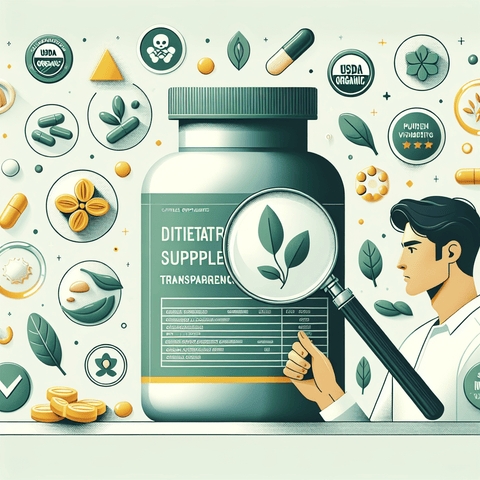
Hidden Supplement Additives Exposed: The Shocking Ingredients Lurking in Your Vitamins


Understanding Hidden Supplement Additives

Many individuals are unaware of hidden supplement additives that can impact their health. These non-active ingredients, such as fillers, preservatives, and colorants, do not offer nutritional value but may cause adverse reactions in some people. Understanding these additives is vital for making informed decisions.

What Are Hidden Additives?

Hidden additives can include:

  • Inactive ingredients: Used for stability without therapeutic effect.
  • Fillers: Such as magnesium stearate, which add bulk.
  • Preservatives: Chemicals like BHT that extend shelf life.

Why Knowing Matters

Being aware of these additives is crucial for identifying possible health implications, including gastrointestinal discomfort or allergic reactions. Consumers face challenges with labeling, as many additives have different names. Investigating certifications, such as those found in multivitamins, can help ensure safety and transparency.

Symptoms of Reactions

Common symptoms tied to hidden additives may encompass bloating, skin rashes, and fatigue. Monitoring these reactions can aid in better supplement choices. Empower your health journey by prioritizing supplements with minimal additives and learning more about magnesium or vitamin D to support your nutritional needs effectively.


What to Look for in a Supplement Label to Avoid Hidden Ingredients and Fillers - Topvitamine
Aug 26, 2025
Discover how to read supplement labels like a pro! Learn tips to avoid hidden ingredients, harmful fillers, and choose high-quality, safe supplements for better health.

Many people take vitamins and supplements in hopes of enhancing their health and wellbeing. However, a lesser-known aspect of these products is the presence of hidden supplement additives. This article will expose the shocking ingredients that could be lurking in your vitamins, shedding light on their potential risks and how to identify them. Understanding these additives is crucial for making informed decisions about supplement choices on Topvitamine.com, ensuring you prioritize your health and make choices that matter.

Hidden supplement additives in vitamins you need to know about

Hidden supplement additives can make a significant impact on your health, often without you even realizing it. These ingredients range from excipients and fillers to preservatives and colorants that do not contribute to the active benefits of the vitamins but can influence how they interact with your body. The goal of this article is to move beyond mere awareness to fostering thoughtful supplement choices. By understanding what qualifies as "hidden" and why it matters, you can take control of your nutritional needs and avoid potentially harmful ingredients.

Core Explanation: Hidden supplement additives explained

What counts as a hidden supplement additive?

Hidden supplement additives encompass a variety of non-active ingredients that may compromise the quality of nutritional supplements. This includes:

  • Inactive ingredients: Substances that do not have a therapeutic effect but help in processing or stability.
  • Excipients and binders: Used to hold tablets together (e.g., starch, cellulose).
  • Fillers: Added to increase the bulk of a supplement (e.g., magnesium stearate).
  • Coatings: Often added for aesthetic appearance or to control release (e.g., colorants, gelatin).
  • Flow agents: Substances like silica that improve the flow of powdered supplements during manufacturing.
  • Preservatives: Chemicals that prevent spoilage and extend shelf life.
  • Potential contaminants: Trace levels of harmful substances that may enter the product during manufacturing.

Common categories and examples

Common categories of hidden additives include:

  • Binders and fillers: Examples include starch and cellulose, which are often found in tablet formulations.
  • Colorants and coatings: Artificial colors, or even natural ones like beetroot extract, can be used to enhance visual appeal.
  • Flow agents: Ingredients like silicon dioxide are frequently added to prevent clumping.
  • Preservatives: Compounds such as BHT (Butylated Hydroxytoluene) are used to prolong shelf life.

How additives end up in vitamins

Additives can enter supplements through various channels, including:

  • Sourcing of raw materials: Ingredients may be contaminated or formulated with additives at the source.
  • Formulation processes: Different manufacturers may have varying practices, leading to inconsistencies.
  • Manufacturing across facilities: Batch-to-batch variability often results in differences in additive compositions.

Reading labels and what you can actually know

While ingredient lists provide essential information, there are limitations. Common additives may have synonyms that complicate label reading. For instance, “magnesium stearate” could be listed under various names. Moreover, look beyond the label for certifications, such as GMP (Good Manufacturing Practices) or third-party testing marks, to ensure product safety and transparency.

Why this topic matters

Health and safety implications

Understanding hidden supplement additives is vital for several health and safety reasons. Some individuals may experience adverse reactions or sensitivities to these substances, which can manifest in various ways, including gastrointestinal discomfort or allergic symptoms. The cumulative exposure to such additives raises concerns about long-term health impacts, particularly for those taking multiple supplements regularly.

Consumer trust and regulatory gaps

There is an expectation among consumers for “clean labels” free from unnecessary ingredients. Unfortunately, regulation often lags behind current consumer needs, leading to a gap in trust. Being informed about what’s in your supplements can empower better choices and foster confidence in what you consume.

Relevance across populations

This topic holds relevance for various population groups, including:

  • Children: Formulations may not always consider sensitivities unique to younger bodies.
  • Older adults: They may be more susceptible to potential reactions due to age-related changes in metabolism.
  • Individuals with allergies or autoimmune conditions: Such additives may trigger exacerbations or allergic responses.
  • People on multiple supplements or medications: The risk of interactions increases with cumulative additive exposure.

Related symptoms, signals, or health implications

Digestive and gastrointestinal signals

Common symptoms such as bloating, gas, diarrhea, constipation, or abdominal discomfort may be linked to hidden additives or fillers in supplements. Evaluating the ingredients in your vitamins could clarify potential triggers behind these gastrointestinal issues.

Skin, immune, and allergic signals

Reactions such as hives, itching, rash, or contact dermatitis may indicate sensitivities to certain additives. Understanding your sensitivities can help you make informed decisions when selecting products.

Neurologic and energy signals

Symptoms like headaches, fatigue, brain fog, or mood shifts might accompany the use of certain supplements—possibly due to hidden additives. Monitoring these responses can provide insights into how specific ingredients affect your wellbeing.

Other signals and systemic effects

Unexplained aches, fluctuating wellness, or symptoms that initiate after a supplement is introduced may suggest a need to reevaluate your vitamin choices based on the additives present.

Individual variability and uncertainty

Genetic and metabolic differences

Individuals metabolize additives differently based on genetic factors. Factors like enzyme activity can influence how someone responds to specific substances, which may not be evident from general labeling.

Diet, gut microbiome, and comorbidities

Your overall diet and gut health could also interact with additives, modifying their effects. This is particularly relevant for those with existing health conditions, which may further complicate how your body processes these substances.

Product variability and batch differences

Even products from the same brand can vary by batch, making the consumer experience unpredictable. This variability can impact effectiveness and tolerance on a case-by-case basis.

Why symptoms alone do not reveal root cause

Correlation vs causation

Symptoms such as bloating or fatigue may coincide with supplement use but do not necessarily indicate that additives are the direct cause. It’s essential to explore other factors or changes in your diet and lifestyle.

Multiple potential triggers

Diet, medications, environmental changes, and various illnesses can all produce similar symptoms. This makes it essential to consider a holistic approach when determining root causes.

Time lag and complexity

Some effects related to additives or supplementation may not become apparent until after a period of cumulative exposure or long-term use, complicating assessments of causality.

The role of nutritional supplements in this topic

Balancing deficiency risk with additive exposure

When used properly, nutritional supplements can effectively address concrete nutrient gaps rather than serve as blanket solutions. It’s important to assess individual dietary needs rather than rely solely on supplementation.

Quality, transparency, and safety as core roles

Choosing high-quality products with transparent labeling and third-party testing can significantly reduce the risk of harmful hidden additives. This ensures that you’re investing in supplements that align with your health goals.

Integrating supplements into a broader wellness plan

Incorporating supplements should be part of a holistic wellness strategy, which includes a focus on a nutrient-rich diet, personalized nutrition plans, and seeking advice from healthcare professionals as necessary.

How nutritional supplements could support

Safer selection strategies

To make informed choices, prioritize supplements that feature third-party testing seals (like USP or NSF) and look for “clean label” products with minimal inactive ingredients.

Reducing exposure while maintaining nutrition

For a targeted approach, consider single-ingredient products and vary the brands you choose to reduce the risk of repeated exposure to the same additives.

Nutrient-focused examples with caution

Common nutrients such as vitamin D, B12, iron, magnesium, and omega-3s can play critical roles in health. However, choosing products with minimal additives in these categories can maximize benefit while minimizing risk.

Monitoring and documentation

Keeping a supplement diary to track symptoms and align them with lab results can help identify problematic ingredients and refine your approach to supplements.

Decision-support section (when nutritional supplements make sense)

Decision framework

To determine whether you need nutritional supplements, consider the following steps:

  • Step 1: Are there diagnosed nutrient gaps or dietary restrictions?
  • Step 2: Are symptoms present that could relate to additives or deficiencies?
  • Step 3: Is there access to quality-tested products?
  • Step 4: Can you test and monitor responses effectively?

Scenarios and recommended actions

For those with known deficiencies or risks (e.g., low vitamin D), pursuing vetted supplementation with minimal additives is advisable. Similarly, individuals with dietary restrictions should seek transparently labeled products. For general wellness with uncertainty, starting with a low-risk, single-nutrient option and monitoring effects can be beneficial.

Safety checks before starting

Reviewing possible medication interactions, known allergies, and existing health conditions should precede beginning any new supplement routine. Consulting a clinician can also provide tailored insights.

When to re-evaluate the need for supplements

Consider reassessing after a predetermined period (e.g., 6–12 weeks) or when lab results show no improvement or new symptomatic developments arise.

Practical considerations for choosing supplements (shopping guidance)

Label-reading cheat sheet

When evaluating supplements, look for complete ingredient lists that disclose all components, allergen information, and detailed inactive ingredient specifics to support informed decisions.

Third-party certifications and seals

Identifying products with third-party endorsements such as USP, NSF, or those adhering to non-GMO or allergen-free standards can act as a quality assurance indicator.

Topvitamine-specific guidance

Topvitamine curates options focused on transparency and safety, enabling users to filter products by “additive-free” or “clean label” attributes, empowering informed choice.

Brand comparison tips

When assessing brands, compare serving sizes, the form of nutrients (e.g., methylcobalamin vs. cyanocobalamin), dosage accuracy, and the provision of batch testing results for thorough evaluation.

Clear concluding section: Connecting the topic to buying nutritional supplements on Topvitamine.com

Synthesis of key takeaways

Awareness of hidden supplement additives is essential for safeguarding health. Understanding the limits of symptoms alone is crucial. Prioritize quality, transparent products for your supplemental needs.

Why Topvitamine is relevant for informed buying

Topvitamine offers curated, vetted options that emphasize transparent labeling and make comparisons accessible. This ensures you can choose supplements that align with your health goals.

Action steps for readers

Begin by utilizing the decision framework outlined, review product labels thoroughly, and leverage Topvitamine’s searchable filters to locate additive-free or third-party tested options that suit your needs.

Final reassurance

Supporting your nutritional goals while minimizing exposure to hidden additives is achievable. By selecting quality-assured products on Topvitamine.com, you can empower your health journey with confidence.

  • Understanding hidden supplement additives is crucial for health.
  • Common additives include fillers, preservatives, and artificial colors.
  • Awareness of symptoms linked to additives enhances decision-making.
  • Quality and transparency in supplements mitigate health risks.
  • Consider individualized reactions when selecting supplements.
  • Monitor changes and document reactions for informed choices.
  • Informed purchasing includes reading labels and trusting certifications.
  • Align supplement use with dietary needs and health conditions.
  • Topvitamine offers curated options for cleaner, safer products.
  • Transparent supplements support overall health without hidden risks.

Q&A Section

What are hidden supplement additives?

Hidden supplement additives are non-active ingredients included in vitamins and supplements, such as fillers, binders, colorants, and preservatives that do not provide nutritional benefits but may impact health.

Are hidden additives harmful?

The potential harm of hidden additives depends on individual sensitivities and quantities consumed, but some may cause gastrointestinal distress, allergic reactions, or other adverse effects.

How can I identify hidden additives in my supplements?

Check ingredient labels carefully for inactive components and look for certifications that indicate quality assurance. Being aware of synonyms for common additives can help you identify them.

Why are additives used in supplements?

Additives serve various purposes, including stabilizing the product, improving texture, enhancing appearance, and prolonging shelf life, but they provide no nutritional value.

Who should be cautious about taking supplements with additives?

Individuals with allergies, sensitivities, or those on multiple medications should practice caution, as they may be more prone to adverse reactions from hidden additives.

How do I choose safer supplements?

Look for supplements that have undergone third-party testing, prioritize “clean label” options with minimal inactive ingredients, and consider single-ingredient formulations.

How often should I reevaluate my supplement needs?

It may be beneficial to reassess your supplement needs after a defined period, such as every 6–12 weeks, or based on lab results reflecting changes in your health.

Can I still benefit from supplements while avoiding additives?

Yes, you can still obtain essential nutrients through quality supplements without harmful hidden additives by selecting reputable brands that prioritize transparency.

What symptoms could indicate a reaction to additives?

Symptoms may include gastrointestinal discomfort, skin rashes, headaches, or unexplained aches, which can be triggered by certain additives in your supplements.

How does my diet affect my response to supplements?

Your diet and gut health can modulate the effects of additives, with interactions between your existing food intake and the supplement composition potentially influencing outcomes.

Are all vitamins affected by hidden additives?

While many vitamins and supplements contain hidden additives, the extent varies by formulation and manufacturer. Always research specific products to assess their ingredient composition.

Keywords

hidden supplement additives, nutritional supplements, inactive ingredients, health risks, label reading, consumer trust, regulatory gaps, dietary restrictions, quality supplements, safety in supplements