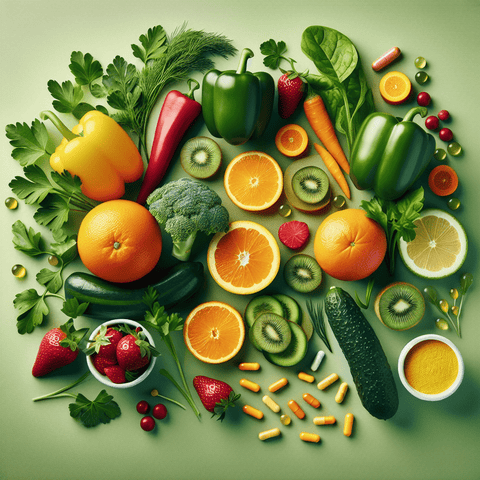
High vitamin C fruits are a practical and enjoyable way to support your daily vitamin C intake. While oranges and other citrus fruits often come to mind first, the list of fruits rich in vitamin C extends much further—including guava, kiwi, papaya, strawberry, pineapple, acerola, camu camu and others. This page gives you a broad overview of which fruits stand out, how much vitamin C they may provide, and how to include them in everyday meals and snacks.
Vitamin C is a water-soluble vitamin that the body cannot store in large amounts, so it needs to be consumed regularly. It plays a role in normal immune function, helps protect cells from oxidative stress, and contributes to collagen formation for normal skin, bones, cartilage, gums and blood vessels. It also helps increase iron absorption from plant-based foods. Many health authorities, including the NHS, USDA and Mayo Clinic, provide guidance on daily vitamin C needs, which vary by age, sex and life stage.
What Counts as a High Vitamin C Fruit?
There is no strict cut-off for what makes a fruit "high" in vitamin C, but generally it refers to fruits that provide a notable amount per typical serving—often a significant percentage of an adult's daily requirement. Citrus fruits like oranges and grapefruits are classic examples, but guava, kiwi, papaya, strawberry and pineapple can also be excellent sources. Some tropical fruits such as acerola and camu camu are exceptionally rich in vitamin C, though they are less commonly consumed fresh in many regions.
Vitamin C content can vary depending on the fruit's variety, ripeness, growing conditions and how it is stored or prepared. Cooking and long storage can reduce vitamin C levels because the vitamin is sensitive to heat, light and oxygen. For this reason, fresh or minimally processed fruits often retain more vitamin C than cooked or heavily processed versions.
Vitamin C Amounts: How Do Fruits Compare?
The table below shows approximate vitamin C amounts per 100 g for a selection of fruits, along with an estimated percentage of a typical daily value (based on 80 mg per day for adults, a common reference used by some health authorities). Actual amounts can vary. This information is for general education and should not replace personalised dietary advice.
Approximate Vitamin C Content per 100 g
- Guava: around 228 mg (roughly 285% DV)
- Acerola: around 1677 mg (roughly 2000% DV) – exceptionally high but usually consumed in small amounts
- Kiwi: around 92 mg (roughly 115% DV)
- Papaya: around 60 mg (roughly 75% DV)
- Orange: around 53 mg (roughly 66% DV)
- Strawberry: around 58 mg (roughly 73% DV)
- Pineapple: around 47 mg (roughly 59% DV)
- Mango: around 36 mg (roughly 45% DV)
- Lemon: around 53 mg (roughly 66% DV)
- Grapefruit: around 31 mg (roughly 39% DV)
- Cantaloupe: around 36 mg (roughly 45% DV)
- Watermelon: around 8 mg (roughly 10% DV)
- Blueberry: around 9.7 mg (roughly 12% DV)
- Raspberry: around 26 mg (roughly 33% DV)
As the list shows, guava, kiwi and papaya can provide more vitamin C per 100 g than oranges, while acerola and camu camu are exceptionally concentrated. The exact numbers depend on the source and the fruit's growing conditions, so treat these as approximate guides.
Exploring Individual High Vitamin C Fruits
Guava
Guava is often considered one of the richest common fruits in vitamin C. A single guava can provide several times the daily requirement for many adults. It also supplies dietary fibre and antioxidants. Guava can be eaten fresh, added to smoothies or used in salads.
Kiwi
Kiwi is another fruit that often exceeds oranges in vitamin C content. One medium kiwi may provide more than 100% of the daily vitamin C requirement for adults. It is easy to add to breakfast bowls, fruit salads or smoothies.
Papaya
Papaya provides a good amount of vitamin C along with vitamin A and dietary fibre. A typical serving can contribute a substantial portion of daily vitamin C needs. It is commonly eaten fresh, in salads or blended into drinks.
Citrus Fruits: Orange, Grapefruit, Lemon, Lime
Oranges, grapefruits, lemons and limes are well-known sources of vitamin C. An average orange provides a significant portion of daily needs, while grapefruit and lemons also contribute. Citrus fruits are versatile and can be eaten fresh, juiced or added to many dishes.
Berries: Strawberry, Raspberry, Blueberry
Strawberries are particularly rich in vitamin C, often providing more per 100 g than oranges. Raspberries and blueberries also contain vitamin C, though in smaller amounts. Berries are easy to add to yogurt, oatmeal or smoothies.
Tropical and Exotic Fruits: Pineapple, Mango, Acerola, Camu Camu
Pineapple and mango offer moderate amounts of vitamin C and are widely enjoyed. Acerola and camu camu are exceptionally high in vitamin C but are usually consumed as powders or supplements rather than fresh fruit in many regions. They are often used in vitamin C supplements and fortified foods.
How to Include High Vitamin C Fruits in Your Day
Adding high vitamin C fruits to your routine can be simple and enjoyable. Here are some practical ideas:
- Start your morning with a bowl of mixed fruit or add citrus segments to yogurt or cereal.
- Pack a small portion of fruit for a midday snack—kiwi, orange or strawberries travel well.
- Add chopped fruit to salads or grain bowls at lunch.
- Blend two or three fruits into a smoothie for a quick vitamin C boost.
- Keep a ready-to-go container of washed, cut fruit in the fridge for easy access.
A simple prep routine—wash, cut and store in airtight containers—helps keep these fruits handy. Pairing fruit with a source of protein or healthy fat, such as yogurt or nuts, can make snacks more satisfying.
Vitamin C Absorption and Factors That May Reduce It
Vitamin C is absorbed in the small intestine. The amount absorbed depends on the dose—higher doses lead to a lower percentage being absorbed. Some factors may reduce vitamin C absorption or increase needs, including smoking, certain medical conditions, and high iron intake. Cooking and long storage can also reduce the vitamin C content of foods. However, eating a variety of fruits and vegetables throughout the day generally helps meet requirements.
How Much Vitamin C Do You Need?
Daily vitamin C requirements vary. For adults, many health authorities recommend around 75–90 mg per day, with higher amounts during pregnancy and breastfeeding. Smokers may need an additional 35 mg per day. These are general guidelines; individual needs can differ. If you are unsure about your vitamin C intake, consult a healthcare professional.
To get 100% of the daily requirement, you could combine a few high vitamin C fruits. For example, one kiwi plus half a cup of strawberries may provide more than 100% of an adult's daily need. One guava alone can exceed it.
Frequently Asked Questions
How do I get 100% vitamin C?
You can reach 100% of the daily vitamin C requirement by eating one or two high vitamin C fruits. For example, one kiwi provides over 100% of the daily value for many adults. One guava provides several times that amount. A combination of half an orange and half a cup of strawberries also covers it.
What blocks vitamin C absorption?
Some factors can interfere with vitamin C absorption or increase the body's need for it. Smoking reduces vitamin C levels. High intakes of iron or certain medications may affect absorption. Cooking and long storage destroy vitamin C in foods. However, the body adapts to different intakes, and eating vitamin C-rich foods regularly generally supports adequate levels.
What has 6000 times more vitamin C?
No common fruit has 6000 times more vitamin C than another. The claim may be exaggerated. Some exotic fruits like camu camu and acerola are exceptionally high in vitamin C—up to 2,000–3,000 mg per 100 g—but they are not 6000 times higher than oranges. They are often used in supplements.
What are 5 foods high in vitamin C?
Five foods high in vitamin C include: guava, kiwi, papaya, orange and strawberry. Other good sources are bell peppers, broccoli, Brussels sprouts and acerola.
Vitamin C Supplements and Related Products
While fruits are excellent sources of vitamin C, some people may choose to supplement their intake. Vitamin C supplements come in many forms, including tablets, capsules, powders and gummies. If you are considering a supplement, it is a good idea to check with a healthcare professional to ensure it is appropriate for your needs.
Our vitamin C category offers a range of vitamin C supplements. You can also explore our antioxidant supplements for related products. For a broader selection, see our natural supplements collection.
Explore More About Vitamin C
This page provides a broad overview of high vitamin C fruits. For more specific topics, such as detailed comparisons, vitamin C for immune health, or supplement guidance, explore the related articles on our site. You can also visit our vitamin C benefits and immunity guide for more in-depth information.