
Discover holistic vitamin d sources by looking beyond a single solution and toward how sun, daily life, and your environment intersect. This article centers on a holistic vitamin d sources approach, inviting you to consider sun exposure, lifestyle patterns, and contextual factors together rather than in isolation. By framing vitamin D through this broader lens, you can explore options that fit your pace, location, and preferences. Start feeling your best as you learn to navigate these elements in a balanced, practical way. Sun is a natural component of holistic vitamin d sources. In this view, safe sun practices are a core element, and decisions about exposure are guided by your location, season, and skin type. Think about when the sun is most available in your day, how outdoor time can be integrated into daily routines, and how to balance exposure with protection. Remember that sun is one part of a larger picture, and local guidelines can help you tailor these habits safely. Lifestyle tips matter for holistic vitamin d sources. Consider how daily routines, outdoor time, and daylight exposure can be woven into your life in simple, realistic ways. Small changes—such as incorporating a brief outdoor break into work, choosing routes that maximize daylight, or creating spaces that invite natural light—can become part of a broader approach. The emphasis here is practical, adaptable suggestions that honor your own circumstances and preferences. Putting it together: a practical framework for holistic vitamin d sources. This guide invites you to reflect on your environment, schedule, and comfort level, and to use these ideas as a starting point for personal exploration. If you have questions or need tailored guidance, consider consulting a qualified professional who can help you interpret your unique context within the holistic vitamin d sources framework.
Holistic Vitamin D Sources: Natural Ways to Boost Your Levels
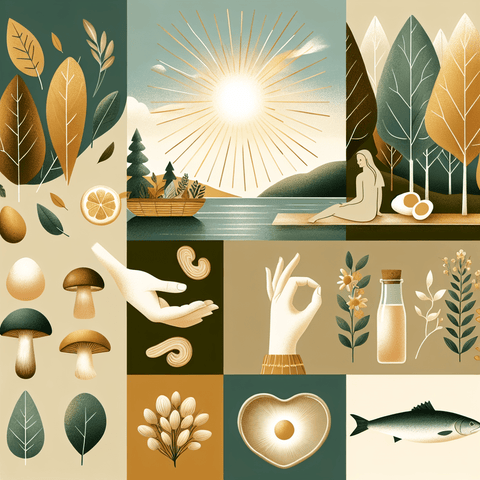
Understanding Natural Vitamin D: From Sunlight to SupplementsVitamin D, often called the “sunshine vitamin,” is a fat-soluble nutrient that the body produces when skin is exposed to ultraviolet B (UVB) rays. It is also found in certain foods and supplements. Natural vitamin D comes in two main forms: vitamin D3 (cholecalciferol), which is produced in the skin and found in animal-based foods as well as lichen, and vitamin D2 (ergocalciferol), which is often sourced from mushrooms. The most natural form of vitamin D is that which the body synthesizes from sun exposure, but for many people, supplements can be a practical way to maintain healthy levels. When choosing a supplement, look for vitamin D3, which is up to three times more effective at raising and maintaining vitamin D levels compared to D2, and check for sourcing that aligns with your preferences, such as lanolin (from sheep’s wool) or vegan lichen.Natural Sources of Vitamin D: Food, Sunlight, and Holistic HabitsA holistic approach to vitamin D includes regular, moderate sun exposure, consuming vitamin D-rich foods, and maintaining habits that support overall health. Sun exposure of about 10 to 30 minutes of midday sun several times a week can help many people produce sufficient vitamin D, though factors like skin tone, latitude, season, and sunscreen use affect this. Among foods, fatty fish such as salmon, mackerel, and sardines provide some of the highest amounts of naturally occurring vitamin D, along with egg yolks and cod liver oil. Since vitamin D is fat-soluble, eating these foods with healthy fats like olive oil or avocado can improve absorption. Lifestyle choices such as regular outdoor activity can also support natural vitamin D synthesis, while excessive indoor living and high-SPF sunscreen use can reduce UVB exposure.How to Choose the Best Natural Vitamin D Supplement for YouWhen selecting a natural vitamin D supplement, consider form, sourcing, and purity. Vitamin D3 (cholecalciferol) is the preferred form because it is more bioavailable and longer-lasting than vitamin D2. Natural D3 can be derived from lanolin or, for vegan options, from lichen. Non-synthetic supplements avoid artificial additives and often feature clean labels with organic carrier oils and third-party testing. Look for certifications such as USDA Organic or Certified Vegan, and consider supplements that pair vitamin D with cofactors like vitamin K2 or magnesium for more complete support. For those on plant-based diets, lichen-derived D3 offers a vegan-friendly alternative that is comparable in efficacy. Always check labels for sourcing transparency and purity standards, and consult a healthcare professional if you have health conditions or are taking medications that could interact with vitamin D supplementation.