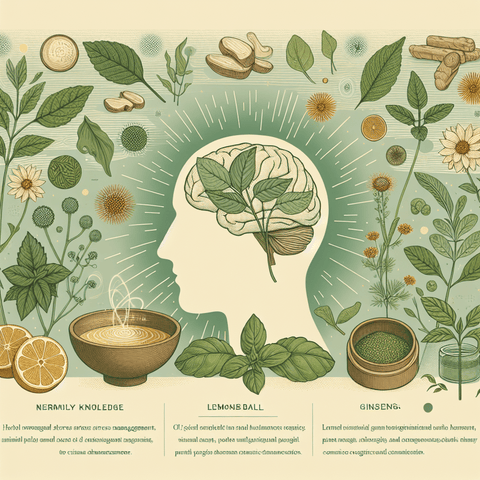
Hormones act as chemical messengers that regulate energy, mood, metabolism, and reproductive health. When these systems fall out of sync, everyday vitality can suffer. Hormonal balance herbs have been used in traditional wellness systems for centuries to support the body's natural endocrine function. This guide provides a broad overview of these botanicals, how they may work, and where they fit into a holistic strategy for restoring energy and wellbeing. You will learn about adaptogens, phytoestrogenic plants, key lifestyle foundations, and how to evaluate supplements responsibly if you decide they align with your needs.
What Are Hormonal Balance Herbs?
Hormonal balance herbs are botanicals traditionally used to support the endocrine system—the network of glands that produce and regulate hormones. Rather than introducing synthetic hormones, most of these plants work by gently modulating biological pathways, supporting the liver's hormone clearance, or providing compounds that interact with hormonal receptors. They are not intended to override the body's natural processes; instead, they are used to help the system function more efficiently, particularly during periods of transition or stress.
Balancing hormones naturally involves supporting the body's own regulatory feedback loops. Stress, poor nutrition, and aging can interfere with this delicate system. Natural approaches aim to provide the nutrients and botanical compounds that help the endocrine glands function optimally, improve receptor sensitivity, and support healthy hormone metabolism and elimination.
Key Terminology: Adaptogens, Phytoestrogens, and Endocrine Support
Understanding basic terms helps clarify how herbs function. Adaptogens, such as ashwagandha and rhodiola, help the body adapt to stress by modulating the hypothalamic-pituitary-adrenal (HPA) axis. Phytoestrogens are plant-derived compounds that can bind to estrogen receptors, exerting weak estrogenic or anti-estrogenic effects depending on the context. Endocrine support is a broader term that includes any nutritional or botanical strategy that supports the glands—thyroid, adrenals, ovaries, testes—that produce hormones. Many herbs contain compounds that overlap across these functions.
Main Categories of Herbs for Hormonal Health
Herbs used for hormonal support generally fall into a few main categories based on their primary mechanism of action. Understanding these categories helps in selecting the right botanical for your specific pattern of imbalance.
Adaptogenic Herbs: Ashwagandha and Maca
Adaptogens are a unique category of herbs that help the body adapt to stress. Unlike stimulants that push the system harder, adaptogens like ashwagandha work by modulating the stress response, particularly the HPA axis. This is critical because chronic stress elevates cortisol, which can suppress reproductive hormone production. By supporting healthy cortisol patterns, adaptogens may indirectly help restore balance to other hormonal pathways. Maca, a root vegetable from the Andes, is often classified alongside adaptogens. Unlike estrogenic herbs, maca does not bind to hormone receptors; it appears to support the adrenal glands and improve overall energetic balance and libido.
Phytoestrogenic Herbs: Flaxseed, Sage, and Red Clover
Phytoestrogenic herbs contain plant compounds that can gently modulate estrogen activity. Flaxseed provides lignans that may offer mild support for low estrogen or help block more potent endogenous estrogens. Sage has a long traditional use for reducing hot flashes. Red clover contains isoflavones, which have been studied for their effects on menopausal symptoms. However, the evidence is mixed, and phytoestrogenic activity means these herbs are not suitable for everyone, particularly those with a history of estrogen-sensitive conditions.
Hormone-Modulating Herbs: Chasteberry (Vitex)
Chasteberry, or Vitex agnus-castus, is one of the most widely studied herbs for female hormonal health. It works differently from phytoestrogens; rather than supplying estrogen-like compounds, it influences the pituitary gland to modulate prolactin. Elevated prolactin can disrupt the normal ratio of estrogen to progesterone, contributing to PMS and irregular cycles. Chasteberry has been shown in several clinical trials to reduce PMS symptoms, likely by normalizing prolactin and supporting luteal phase progesterone.
Common Signs of Hormonal Imbalance
Hormonal imbalances present differently depending on which hormones are affected and whether the individual is male or female. While some symptoms are obvious, many overlap with other conditions, making self-diagnosis unreliable.
Energy, Sleep, and Digestive Changes
Persistent fatigue that does not improve with rest may indicate thyroid or adrenal dysfunction. Sleep disturbances, such as waking between 2 a.m. and 4 a.m., are often linked to elevated cortisol. Digestive changes, including bloating or altered bowel habits, can be influenced by sex hormones, as estrogen affects gut motility and the microbiome. These symptoms alone do not confirm an imbalance, but they are meaningful signals that warrant attention.
Why Symptoms Alone Aren't a Diagnosis
Symptoms are subjective and can stem from multiple causes. Low energy might be due to anemia, poor sleep, or thyroid dysfunction. Mood changes could result from estrogen fluctuations, androgen deficiency, or even nutritional insufficiencies. A blood test—measuring thyroid stimulating hormone (TSH), free T3/T4, cortisol, estradiol, progesterone, or testosterone—can provide objective data. Working with a healthcare provider to interpret these results is essential before selecting a targeted herbal protocol.
Factors That Contribute to Hormonal Shifts
Hormones do not shift randomly; there are identifiable drivers that push the endocrine system off course. Understanding these factors helps explain why imbalances occur and how to address their root causes.
Age, Stress, and Lifestyle Demands
Hormone production naturally declines with age. Women experience perimenopause, typically beginning in their late 40s, characterized by fluctuating estrogen and progesterone. Men undergo andropause, a gradual decline in testosterone that usually begins after age 40. Chronic stress is one of the most significant disruptors of hormonal health. When cortisol remains elevated, the body prioritizes survival over reproduction and digestion. High-demand careers, insufficient rest, and excessive exercise without recovery all contribute to this state of physiological strain.
Nutrition, Gut Health, and Environmental Toxins
The gut plays a crucial role in hormone metabolism; the liver processes hormones and sends them to the gut for excretion. If the gut microbiome is imbalanced or digestion is sluggish, hormones can be reabsorbed rather than eliminated. Additionally, environmental toxins—such as bisphenol A (BPA) and phthalates—are endocrine disruptors that mimic or block natural hormones. A nutrient-poor diet that lacks the vitamins and minerals needed for hormone production compounds these effects.
Diet and Lifestyle Foundations for Hormonal Vitality
Before reaching for a supplement bottle, it is worth evaluating the daily inputs that shape hormone health. Food provides the raw materials, and lifestyle habits determine whether the system runs smoothly.
Key Foods and Nutrients That Support Natural Hormone Cycles
Cruciferous vegetables—broccoli, kale, cauliflower—contain indole-3-carbinol, which supports estrogen metabolism. Flaxseeds are rich in lignans, a type of phytoestrogen that can help modulate estrogen activity. Healthy fats from avocados, olive oil, and fatty fish provide the cholesterol necessary for steroid hormone synthesis. Protein intake supports amino acid balance for neurotransmitter and hormone production.
Other supportive nutrients play structural or regulatory roles:
- Vitamin D acts like a hormone precursor and supports numerous metabolic processes.
- B vitamins are cofactors for creating and metabolizing neurotransmitters and hormones.
- Magnesium is involved in hormone synthesis and helps regulate mood and sleep.
- Omega-3s (DHA/EPA) help reduce systemic inflammation in the body.
Lifestyle Habits That Amplify Herbal and Nutritional Support
Prioritizing sleep supports the natural cortisol rhythm and allows for growth hormone release. Engaging in moderate, restorative exercise—rather than constant high-intensity training—supports hormone balance. Managing stress through mindfulness, breathwork, or even daily walks helps reduce the adrenal burden. These habits create the environment in which herbal support can be most effective.
Choosing a Hormonal Balance Herb Supplement
If you decide that a supplement is appropriate, the selection process requires attention to detail. Product quality varies significantly, and choosing well is the first step toward a positive outcome.
Extracts vs. Powders vs. Whole-Herb Forms
The most effective format depends on the herb. For ashwagandha, a standardized extract with a guaranteed concentration of withanolides is often more reliable than a raw root powder. Maca, on the other hand, is often consumed as a powder because the root is highly nutritive and doses are larger. Chasteberry is typically taken as a standardized extract. Generally, standardized extracts provide more consistency, while whole-herb powders offer a broader but less concentrated range of nutrients.
Important Considerations: Dosage, Potency, and Bioavailability
Dosage is critical. Too low a dose will have little effect, while too high a dose may cause adverse effects. Look for products that specify the amount of active compound, not just the total herb weight. Bioavailability also matters; some compounds are poorly absorbed. Liposomal delivery, inclusion of black pepper extract (piperine), or lipid-based formulations may enhance absorption.
Quality Indicators: Third-Party Testing and Manufacturing
Supplements are not required to undergo the same rigorous testing as pharmaceuticals. Third-party testing—where an independent lab verifies the content and purity of a product—provides assurance that what is on the label is actually in the bottle. Look for certifications such as NSF, USP, or Informed Choice. Certified Good Manufacturing Practices (cGMP) ensure the facility meets FDA standards for quality. For herbal products, check for testing on heavy metals, pesticides, and microbial contamination.
Reading the Supplement Label Effectively
The Supplement Facts panel must list the serving size and the amount of each ingredient. For standardized extracts, the label should state the concentration (e.g., "Ashwagandha root extract (5% withanolides)"). Be wary of "proprietary blends" that list the total weight of several herbs without specifying individual amounts; this makes it impossible to assess your dose. Check for unnecessary fillers, binders, or artificial colors, and review allergen information if you have known sensitivities.
Safety, Side Effects, and Interactions
Natural does not automatically mean harmless. Herbs are biologically active, and that activity includes the potential for side effects and interactions.
Potential Interactions with Medication and Existing Conditions
Herbs that affect hormone metabolism can interact with hormonal medications. For example, phytoestrogens may interfere with tamoxifen in those being treated for breast cancer. Ashwagandha can enhance the effects of thyroid medication, potentially leading to thyroid hormone excess. Always disclose your supplement use to your prescribing physician.
Understanding Safe Dosing and Duration of Use
More is not better. Taking excessive doses can lead to digestive distress, headaches, or more serious endocrine disruption. Herbal protocols may not need to run indefinitely. For example, chasteberry is often recommended for up to three months to assess its effectiveness. Follow the manufacturer's instructions and work with a professional for personalized guidance.
When to Exercise Caution or Avoid Certain Herbs
Phytoestrogenic herbs should be avoided by individuals with a history of estrogen-sensitive cancers, blood clots, or severe endometriosis. Avoid high doses of thermogenic herbs such as bitter orange or yohimbe if you are under stress or have cardiovascular concerns. If you are pregnant or breastfeeding, consult a qualified professional before using any herbal product.
Exploring the Topic Further
This guide provides a broad overview of hormonal balance herbs. For more detailed information, explore our collection of herbal supplements for guidance on safety and sourcing. You may also find our ashwagandha supplements and multivitamin guide useful as you consider the foundational nutrients that support endocrine health. Each individual's needs are unique, and understanding the broad landscape of options is the first step toward making informed decisions.
Key Takeaways
- Hormonal balance herbs include adaptogens, phytoestrogens, and tonics that support the endocrine system without serving as a substitute for a healthy diet.
- Common signs of imbalance include fatigue, sleep disruption, digestive changes, and mood swings—but these alone cannot confirm a diagnosis.
- Chronic stress, poor gut health, aging, and environmental toxins are primary drivers of hormonal disruptions.
- Dietary foundations—including healthy fats, fiber, and cruciferous vegetables—should take priority before considering supplementation.
- Ashwagandha and maca act as adaptogens, helping modulate stress and energy pathways.
- Chasteberry affects prolactin and is best used for female-specific cycle support, while red clover and flaxseed offer phytoestrogenic activity.
- Individual hormonal needs vary widely; a one-size-fits-all supplement routine is unlikely to be optimal.
- Third-party testing and standardized extracts are indicators of a higher-quality supplement product.
- Consult a healthcare provider for blood testing if symptoms persist or are severe, especially before using a new supplement.
Frequently Asked Questions
What are hormonal balance herbs?
Hormonal balance herbs are botanicals that support the endocrine system. They include adaptogens like ashwagandha and maca, as well as phytoestrogenic plants like red clover, that help modulate hormone activity rather than introduce synthetic hormones.
Can you really balance hormones naturally with herbs?
Some herbs may support hormonal regulation by influencing biochemical pathways. For example, ashwagandha can lower cortisol and chasteberry can modulate prolactin. However, results vary widely between individuals, and herbs should be used alongside a healthy diet and lifestyle.
What is the best herb for female hormone balance?
Chasteberry (Vitex) is commonly considered one of the most effective for female-specific cycle irregularities and PMS symptoms. However, the best choice depends on your unique symptoms, such as whether you have estrogen dominance or low progesterone symptoms.
What are signs that I need hormone-balancing herbs?
Persistent fatigue, poor sleep, mood swings, and irregular menstrual cycles can signal a hormonal imbalance. That said, these signs are not exclusive to hormonal issues, so verify with a doctor if symptoms are noticeable.
Which herbs are good for balancing hormones in men?
Ashwagandha and maca are popular choices for men. Ashwagandha may lower stress-related cortisol and support healthy testosterone levels in some studies, while maca is researched for its ability to support stamina and sexual vitality.
What foods should I eat to support hormonal balance?
Focus on whole foods: cruciferous vegetables, ground flaxseeds, fatty fish (for omega-3s), avocados, and adequate protein. These provide the vitamins, minerals, and fats necessary for hormone production.
Should I take ashwagandha or chasteberry for PMS?
Chasteberry is generally the first-line herbal choice for PMS. Ashwagandha may also help because it reduces stress, which can worsen PMS symptoms. They can be taken together in some cases, but monitor tolerance.
How long does it take to rebalance your hormones with herbs?
For the results to become noticeable, herbs can take several weeks to several months. Adrenal adaptogens like ashwagandha may be effective within four weeks, while chasteberry may take up to three months to influence cycle regularity.
Are hormone-balancing herbs safe to take long-term?
There is no clear consensus on the long-term safety of all these herbs. Ideally, you should use them for a specific period, then evaluate your symptoms with a healthcare provider. It is best to regularly reassess the dose and need.
Do phytoestrogens affect both men and women?
Phytoestrogens can affect both sexes. In men, high doses may have a slight estrogenic effect, although this is often minimal. For women, they may help mild symptoms of low estrogen, but they should be avoided with estrogen-sensitive cancers.
Can adaptogens interfere with my thyroid medication?
Yes. Ashwagandha can increase thyroid hormone production, which may interfere with synthetic thyroid hormone doses. If you are on thyroid medication, you should only take ashwagandha under direct medical supervision.
Do I need to have my blood tested before starting herbs?
Yes, it is highly recommended to have your blood tested. A basic hormonal panel can rule out serious issues and provide a baseline. This allows you to choose a herb that actually targets the source of the imbalance and helps you track progress.