
Understanding hormone balance for women means looking at how daily patterns interact with energy, mood, and vitality. This page shares natural strategies and a personalized plan you can begin today to explore hormone balance for women in a thoughtful, non-prescriptive way. You’ll find guidance focused on awareness, routine, and self-reflection to support your wellbeing without implying medical guarantees. Hormone balance for women can show up as cycles of energy, mood fluctuations, and resilience across different life stages. By adopting a cycle-aware mindset, you can observe patterns over time and tailor your days to match your individual rhythm. The emphasis here is on education and practical steps you can try in your routine, rather than one-size-fits-all prescriptions. Natural strategies for exploring hormone balance for women include establishing consistent daily rhythms, prioritizing restful routines, integrating mindful practices to reduce stress, and building a supportive environment that aligns with your values and responsibilities. The aim is to cultivate habits that fit your life, with attention to how you feel and what your body is communicating in the moment. A personalized plan starts with awareness and pace. Start by tracking energy and mood, noting any regular patterns, and setting flexible goals that respect your current circumstances. Consider engaging with a healthcare professional if you have concerns that require professional input, and use your notes to inform ongoing adjustments. The result is a practical framework for hormone balance for women that you can adapt as you learn what works best for you.
Hormone Balance for Women: Restore Energy, Mood, and Vitality Today

Hormone balance for women is a dynamic process shaped by the menstrual cycle, life stages, nutrition, sleep, stress, and metabolic health. This guide explains estrogen progesterone balance, menstrual cycle hormone regulation, and the relationship between cortisol and reproductive hormones. It explores common hormone imbalance symptoms, including irregular periods, mood changes, fatigue, sleep disruption, acne, weight changes, and bloating, while emphasizing that symptoms alone cannot confirm a diagnosis. Learn practical strategies for managing hormonal fluctuations through balanced nutrition, lifestyle support, cycle tracking, and personalized nutritional supplements such as magnesium, vitamin D, and omega-3s, with professional guidance for persistent or severe concerns.
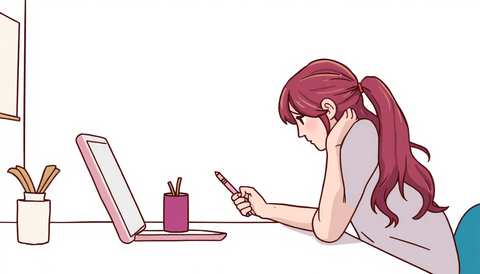
Explore herbal supplements and key vitamins that may help with PMS mood swings and irritability. This guide covers popular options like chasteberry, magnesium, and vitamin B6, discusses what the evidence says, and offers practical tips for choosing quality supplements. Learn about dosage considerations, safety, and when to consult a healthcare professional for personalized advice.