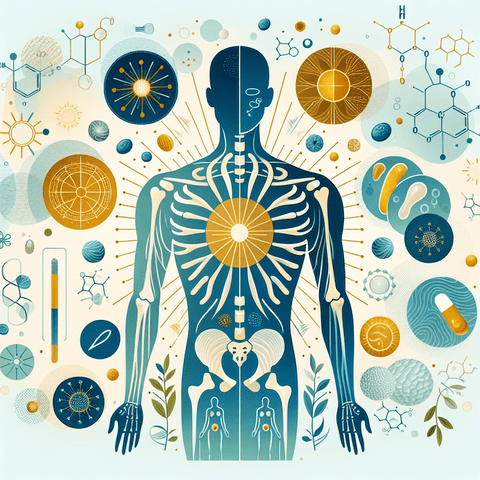
Hormone regulation plays a crucial role in our daily energy levels and overall well-being. In this article, we will explore how balancing your hormones can significantly impact your energy, mood, and performance. You’ll learn to recognize signs of hormonal imbalance, understand how hormones influence your body, and discover practical, natural strategies and nutritional supplements that can help restore vitality. Understanding hormone regulation is essential for promoting lifelong health, vitality, and combating chronic fatigue.
Introduction: Hormone Regulation for More Energy
The Promise: Why Balancing Hormones Can Impact Energy, Mood, and Daily Performance
Hormones are powerful messengers that regulate various bodily functions, including metabolism, mood, and energy levels. When hormone levels are out of balance, individuals may experience fatigue, mood swings, and reduced performance in daily tasks. Furthermore, optimized hormone levels can lead to better sleep, improved cognitive function, and enhanced physical performance.
What Readers Will Gain: A Clear, Evidence-Grounded Path from Information to Thoughtful Supplement Choices
This article provides readers with an evidence-based understanding of hormone regulation, identifying practical steps to achieve hormonal balance. You will also learn how to make informed choices about nutritional supplements that can support this balance, promoting enhanced energy levels.
Note on Approach: Uncertainty, Lifestyle Factors, and When Supplements May Fit into a Broader Plan
While understanding hormone regulation is vital, personal variability means that achieving balance isn't a one-size-fits-all approach. Factors like lifestyle, diet, and overall health influence hormonal balance. Nutritional supplements can complement a well-rounded lifestyle but should not replace medical advice or treatment.
Core Explanation: What Hormone Regulation Means and How It Works
The Endocrine System at a Glance: Glands, Hormones, and Receptors
The endocrine system consists of various glands that produce hormones, which are released into the bloodstream. Key glands include the pituitary, adrenal, thyroid, and gonads, each playing a unique role in maintaining hormonal balance. Hormones interact with specific receptors on target cells, initiating biological processes crucial for energy metabolism and overall health.
How Hormones Influence Energy Metabolism, Sleep, and Cognitive Function
Hormones like insulin, cortisol, and thyroid hormones directly impact energy metabolism by regulating how the body uses glucose and fat. Similarly, hormones such as melatonin regulate sleep-wake cycles, influencing daytime alertness and cognitive performance.
The Balance Model: Feedback Loops, Sensitivity, and Resilience
Hormonal balance is maintained through feedback loops that monitor hormone levels in the body. When one hormone increases or decreases, it signals other glands to adjust their hormone production accordingly. This dynamic process allows the body to adapt to various stressors and maintain resilience. However, chronic stress or poor lifestyle choices can disrupt these feedback mechanisms, leading to imbalances.
Why This Topic Matters: Energy, Vitality, and Long-Term Health
Daily Life Implications: Sustained Energy, Focus, and Physical Performance
Balanced hormones are fundamental for sustaining energy throughout your day, enhancing focus and improving physical performance. Hormonal health greatly influences your productivity and general quality of life.
Preventive Angle: Reducing Chronic Fatigue, Metabolic Drift, and Stress-Related Wear
By understanding hormone regulation, individuals can proactively manage their energy levels and reduce chronic fatigue or burnout. Proper care can prevent long-term issues associated with hormonal imbalance, such as weight gain or metabolic impairment.
Demystifying Energy Signals: Why “More Energy” Is Not a Single-Molecule Target
It’s crucial to understand that achieving “more energy” involves a complex interplay of multiple hormones and physiological processes, rather than a single chemical target. Many factors contribute to feeling energetic, including diet, stress management, and sleep quality.
Symptoms, Signals, and Health Implications of Imbalance
Common Energy- and Mood-Related Signals: Fatigue, Brain Fog, Irritability
Signs of hormonal imbalance can manifest as persistent fatigue, difficulty concentrating (brain fog), and irritability. These symptoms may indicate imbalances in hormones like cortisol, thyroid hormones, or sex hormones.
Sleep Disruption and Circadian Misalignment as a Warning Sign
Difficulty falling asleep or maintaining consistent sleep patterns can be a sign of hormonal imbalance, particularly with melatonin and cortisol levels that influence circadian rhythms. Such disruptions can further exacerbate fatigue and decrease energy levels.
Weight, Appetite, and Metabolic Signals That Point to Hormonal Shifts
Changes in weight or appetite often indicate underlying hormonal shifts, such as insulin resistance or alterations in the leptin-ghrelin axis, hormones directly involved in regulating hunger and energy expenditure.
Skin, Hair, Libido, and Other Systemic Signals
Hormonal changes can also impact physical appearance and sexual health, leading to alterations in skin clarity, hair growth, and libido. These systemic signals can provide insights into hormonal balance.
When to Seek Medical Evaluation: Red Flags and Red-Flag Symptoms
If symptoms persist or significantly impact daily life, it is crucial to seek medical evaluation. Red flags include significant weight changes, severe mood swings, or a marked decrease in physical or cognitive functioning.
Individual Variability and Uncertainty in Hormone Regulation
Differences by Age, Sex, and Life Stage
Hormone levels fluctuate significantly across different stages of life, such as puberty, pregnancy, menopause, and andropause. These changes can contribute to unique energy challenges and require individualized approaches to support hormonal health.
Genetic and Lifestyle Factors That Modulate Hormone Levels
Genetic predispositions can influence hormone production and sensitivity, while lifestyle factors like diet, exercise, and stress management play crucial roles in regulating hormone levels and overall energy.
Inter-Individual Responses to Diet, Exercise, and Stress Management
Not everyone responds similarly to dietary changes, exercise, or stress management techniques. Understanding your unique hormonal responses can help tailor effective strategies for energy optimization.
Embracing Uncertainty: Coping with Normal Fluctuations and Imperfect Data
Hormonal balance is not static; it can fluctuate due to various factors. It's essential to embrace this uncertainty and recognize that small variations in hormone levels don't always indicate a problem.
Why Symptoms Alone Do Not Reveal Root Cause
The Multi-System Nature of Energy Balance: Thyroid, Adrenal, Reproductive, Insulin Axes
Energy regulation involves multiple hormone systems, including the thyroid, adrenal, reproductive, and insulin axes. Disruptions in one system can affect others, complicating the search for root causes of symptoms.
Common Root Contributors Beyond Hormones: Sleep Debt, Chronic Stress, Micronutrient Gaps, Inflammation
Several factors beyond hormones influence energy levels, including sleep deprivation, chronic stress, nutrient deficiencies, and systemic inflammation. Addressing these elements is vital for optimizing energy and overall health.
The Risk of Self-Diagnosis and Misdirected Fixes Without Broader Assessment
Self-diagnosing based on symptoms can lead to misdirected interventions. A comprehensive assessment from a healthcare provider is essential for identifying the correct approach to restoring hormonal balance and optimizing health.
The Role of Nutritional Supplements in Hormone Regulation
What Supplements Can and Cannot Do: Plausible Support vs. Cure
Nutritional supplements can provide supportive roles in hormone regulation but should not be viewed as cures. They may help address deficiencies and support overall well-being when incorporated into a comprehensive health plan.
Evidence Quality and Limitations: Navigating Studies, Anecdote vs. Data
While some studies support the role of specific nutrients in hormone regulation, evidence quality can vary. It's critical to look for robust clinical research and be cautious of anecdotal reports that lack scientific backing.
Safety, Quality, and Interactions: Reading Labels, Avoiding Unsafe Blends
When selecting supplements, it's vital to look for third-party testing and clear labeling to ensure safety and quality. Be mindful of potential interactions with medications and pre-existing health conditions.
Supplements as Part of a Broader Plan: Lifestyle, Diet, Sleep, Stress Management
Supplements should complement a holistic approach to health that includes balanced nutrition, adequate sleep, regular exercise, and effective stress management. This integrated strategy is more likely to support hormonal balance and overall vitality.
How Nutritional Supplements Could Support Hormone Regulation and Energy
Targeted Nutrients with Plausible Roles: Vitamin D, Magnesium, Zinc, Selenium, Iodine (Where Deficient), Omega-3 Fatty Acids, B Vitamins
Several nutrients play essential roles in hormone production and regulation. Vitamin D is crucial for immune function and can influence hormones associated with energy regulation. Similarly, magnesium and zinc are vital for metabolic processes that affect energy levels.
Plant-Based Options and Adaptogens: Ashwagandha, Rhodiola, Maca, and Others—What the Science Suggests
Adaptogens like ashwagandha and rhodiola may support the body's response to stress and promote hormonal balance. Research suggests that these plant-based options can enhance resilience and energy, although individual responses may vary.
Sleep and Circadian Rhythm Support: Magnesium Forms, Melatonin (Short-Term Use Guidance), and Glycine
Magnesium has been shown to support relaxation and sleep quality, important for hormone regulation and energy restoration. Melatonin supplements can also aid in regulating sleep cycles, particularly for short-term use during periods of disruption.
Gut-Hormone Axis and Metabolism: Fiber, Probiotics, and Gut-Friendly Nutrients
The gut microbiome significantly influences hormonal balance, particularly in relation to stress, inflammation, and metabolism. Probiotics, along with a diet high in fiber, can positively affect hormonal health and overall energy levels.
Personalization and Dosing: Starting Low, Titrating, Reassessing Every 4–8 Weeks
As individual responses to supplements can differ, it is advisable to start with lower doses and gradually adjust based on your energy levels and symptoms. Regular reassessment will help determine the effectiveness of the chosen supplements.
Safety Considerations: Interactions with Medications, Thyroid Conditions, Diabetes, and Pregnancy/Lactation
Consultation with a healthcare provider is crucial for individuals with specific health conditions or those taking medications. Various supplements can interact with medications and may not be suitable for everyone, especially during pregnancy and lactation.
Decision-Support: When Nutritional Supplements Make Sense
A Practical Decision Flow: Evaluate Symptoms, Gaps, and Readiness for Trial
Before starting any new supplement, evaluate your symptoms and consider any potential dietary gaps. Assessing your readiness to make these changes is essential for achieving desirable outcomes.
Red Flags and Professional Consultation: Severe Symptoms, Rapid Changes, or Complex Medical History
Seek professional advice if you experience severe symptoms or rapid changes in your health, particularly if you have a complex medical history. A healthcare provider can guide appropriate interventions.
Scenarios Where Supplements Are Most Relevant: Seasonal Fatigue, High Stress Periods, Age-Related Shifts, Documented Nutrient Gaps
Supplements may be particularly beneficial during periods of increased stress, seasonal fatigue, age-related hormonal changes, or in cases where nutrient deficiencies have been documented through testing.
How to Test and Track Progress: Baseline Symptoms, Sleep Quality, Energy Levels, Mood, and Simple At-Home or Clinician Tests
Establish baseline symptoms to track progress while implementing supplements. Monitoring sleep quality, energy levels, and mood over time can provide clarity on the effectiveness of your approach.
How to Choose Quality Supplements: Third-Party Testing, Transparent Ingredient Lists, and Avoiding Proprietary “Blends”
When selecting supplements, prioritize those backed by third-party testing and clear ingredient listings. Avoid proprietary blends that do not disclose specific ingredient amounts or sources.
Actionable Plan: A Concise, Practical Framework for Readers
30–60 Day Trial Blueprint: What to Try First, Monitoring Points, and When to Pause
Begin with key supplements such as vitamin D, magnesium, and omega-3 fatty acids, monitoring their effects over 30 to 60 days. Document changes in energy, sleep quality, and overall mood to gauge effectiveness.
Complementary Lifestyle Steps that Amplify Outcomes: Sleep Hygiene, Regular Activity, Balanced Meals
Incorporating lifestyle strategies—such as improving sleep hygiene, engaging in regular physical activity, and maintaining balanced meals—will enhance the effectiveness of any supplement regimen.
Simple, Safe Product-Selection Guide Tailored for Energy and Hormone Support
Focus on products designed for energy support, including those that provide essential vitamins and minerals, adaptogens, and probiotics that promote overall hormonal health and energy regulation.
How to Use Topvitamine Effectively: Product Categories to Consider and How to Browse for Quality
Utilize Topvitamine's range of products, focusing on categories like vitamin D for hormonal balance, magnesium for sleep and stress, and vitamin C for immune support. Take advantage of filtered browsing to find quality options.
Conclusion: From Understanding to Informed Action on Topvitamine
Recap: Key Concepts of Hormone Regulation and Energy Optimization
Understanding hormone regulation is fundamental for optimizing energy, mood, and overall health. By recognizing symptoms and the role of nutritional supplements, individuals can take actionable steps toward restoring hormonal balance.
A Practical Path Forward: Assessments, Targeted Supplements, and Lifestyle Foundations
Engaging with healthcare professionals, assessing symptoms, and incorporating nutritional supplements into a balanced lifestyle will create a solid foundation for improving energy levels and overall health.
How Topvitamine Supports Your Journey: Choosing Reputable Supplements, Transparency, and Customer Education
Topvitamine is committed to providing high-quality, evidence-based supplements to support your journey toward better hormonal health and energy. Our product transparency and educational resources empower you to make informed decisions.
Caution and Next Steps: Consult Healthcare Providers for Personalized Advice and Monitoring
Always consult with a healthcare provider before starting new supplements, especially if you have underlying conditions or are taking medication. Continuous monitoring and a customized approach will help you achieve optimal results.
FAQs and Quick-Reference Note
Do supplements replace medical treatment for hormonal disorders?
No, supplements should complement medical treatment but not replace it. Always consult a healthcare provider for appropriate management of hormonal disorders.
How long before I notice changes in energy or sleep?
Changes can vary widely, but many individuals notice improvements within 4–8 weeks of consistent supplement use, depending on dosage and lifestyle factors.
Which signs indicate I should stop a supplement and seek guidance?
Stop any supplement and consult a healthcare provider if you experience adverse reactions, significant changes in symptoms, or if new health concerns arise.
How to talk to a clinician about supplements and hormones?
Be open about your symptoms, any supplements you're considering or taking, and seek their advice on appropriate options based on your unique health history.
Key Takeaways
- Hormone regulation significantly affects energy, mood, and overall health.
- Balance is achieved through a combination of lifestyle, diet, and potential supplementation.
- Symptoms like fatigue and mood changes may signal hormonal imbalances.
- Individual variability means not all strategies will work for everyone.
- Supplements can support hormone regulation but should not substitute for medical care.
- Choose quality supplements based on safety and transparency.
- Monitor your progress with any new supplement regimen.
- Always consult healthcare providers for personalized advice.
Keywords
hormone regulation, energy levels, nutritional supplements, hormonal balance, cortisol, thyroid hormones, adrenal health, vitamin D, magnesium, adaptogens, lifestyle factors, individual variability, symptoms of imbalance, natural strategies, health relevance.