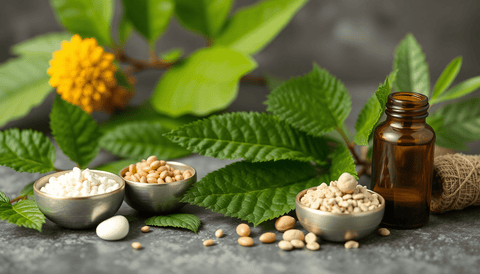
Adaptogens are a group of herbs and natural compounds that are traditionally used to help the body cope with physical and psychological stress. Interest in how adaptogens work has grown rapidly, but the science behind these stress-relieving herbs is often oversimplified. In this article, you will learn what adaptogens are, how they are thought to interact with the body's stress response system, what clinical research actually shows, which factors influence individual responses, and how to evaluate adaptogen supplements if you decide to use one. Understanding these mechanisms helps separate evidence-based expectations from marketing claims.
What Are Adaptogens and How Do They Work?
Defining Adaptogens: From Ancient Herbalism to Modern Research
The term "adaptogen" was introduced in the mid-twentieth century by Soviet scientists studying substances that appeared to help the body adapt to stressors without overstimulating or suppressing normal physiological function. The concept has older roots: herbs such as ashwagandha, ginseng, and rhodiola have been used for centuries in traditional systems like Ayurveda and Traditional Chinese Medicine, often described as substances that increase stamina, resilience, and balance.
Modern definitions generally describe an adaptogen as a natural substance that is nonspecific in its action, that helps normalize physiological processes under stress, and that is relatively safe for general use. It is worth noting that "adaptogen" is a functional descriptor rather than a strictly defined pharmacological class, and the quality of scientific evidence varies considerably between individual herbs.
The Core Mechanism: Helping the Body Build Resilience to Stress
The central idea behind how adaptogens work is not that they eliminate stress, but that they may help the body respond to it more efficiently. Stress triggers a cascade of hormonal and neural signals designed to mobilize energy and restore balance afterward. In theory, adaptogenic compounds interact with this regulatory system in a way that buffers both the intensity and the duration of the stress response.
Because different herbs contain different active compounds, their effects are not identical. Some appear to have a more calming character, others more stimulating, and some are described as balancing. This diversity is important to keep in mind when comparing products and experiences.
Understanding the Biological Connection Between Adaptogens and Stress
The Hypothalamic-Pituitary-Adrenal (HPA) Axis Explained
The HPA axis is the body's central stress-regulation circuit. When the brain perceives a stressor, the hypothalamus releases signals that prompt the pituitary gland to stimulate the adrenal glands, which then produce cortisol and other stress hormones. Cortisol is essential for short-term survival: it raises blood sugar, sharpens alertness, and mobilizes energy. Problems arise when the system is chronically activated, which has been associated with fatigue, sleep disruption, mood changes, and impaired concentration.
A healthy stress response is not about having less cortisol, but about having an appropriately timed rise and fall. Chronic stress may flatten or dysregulate this rhythm, and this is where adaptogens are theorized to have their effect.
How Plant Compounds Modulate the Stress Response System
Research into how adaptogens work at the molecular level suggests several plausible targets. Some compounds in ashwagandha and rhodiola have been studied for their influence on cortisol levels and on signaling molecules involved in the stress response. Others appear to interact with neurotransmitter systems, including those involving GABA, serotonin, and norepinephrine, which influence mood, alertness, and perceived stress.
These mechanisms are supported by a combination of animal studies, in-vitro research, and a more limited number of human trials. That means the pathways are biologically plausible, but the translation into measurable benefits for people depends on the specific herb, the dose, the extract used, and the individual.
The Concept of Cellular Resilience and Homeostasis
Another way to frame the effect of adaptogens is through homeostasis: the body's tendency to maintain stable internal conditions. Some adaptogenic compounds have been studied for their role in cellular stress responses, including the production of protective proteins that help cells withstand physiological strain. This research is still developing, but it offers a scientific vocabulary for the traditional idea that these herbs build resilience over time rather than acting like a stimulant or sedative.
How Different Types of Adaptogens Work in the Body
Calming Adaptogens: How Ashwagandha and Rhodiola Influence Neurochemistry
Ashwagandha (Withania somnifera) is among the most studied adaptogens in human trials. Its active withanolides have been investigated in relation to cortisol levels, perceived stress, and sleep quality, with several randomized trials reporting modest improvements in these outcomes compared to placebo. Rhodiola rosea contains rosavins and salidroside and has mostly been studied for fatigue and mental performance during stress, with some trials suggesting reduced perceptions of exhaustion.
Despite being grouped together, their mechanisms differ. Ashwagandha research often focuses on stress-hormone signaling, while rhodiola is more frequently discussed in the context of mental fatigue and cognitive endurance. This distinction matters when choosing between them.
Energizing Adaptogens: The Mechanisms Behind Ginseng and Eleuthero
Panax ginseng contains ginsenosides, compounds that have been studied for their effects on energy metabolism, physical performance, and cognitive function. Eleuthero (formerly known as Siberian ginseng) contains eleutherosides and has a long history of use for stamina and work capacity. These herbs are traditionally described as more "tonic" or energizing, though the evidence for dramatic performance effects in healthy people is mixed and often modest.
Balancing Adaptogens: Adapting the Response to the Individual's Needs
Traditional herbalism describes some adaptogens, such as holy basil or reishi, as balancing, meaning they are thought to support the body in whichever direction it needs. Scientifically, this "bidirectional" effect is difficult to prove, and it remains largely a traditional interpretation rather than a confirmed pharmacological property. Still, it reflects a genuine observation that individual responses to these herbs vary considerably.
Evidence for the Effects of Adaptogens on Well-Being
What Clinical Studies Show About Stress Perception and Fatigue
Human research on adaptogens has grown, particularly for ashwagandha and rhodiola. Several randomized controlled trials have reported reductions in scores on perceived-stress scales and in measured cortisol among people with elevated stress taking ashwagandha extracts. Rhodiola studies have examined fatigue linked to demanding work or study schedules. Findings are generally encouraging but often limited by small sample sizes, short durations, varying extract quality, and industry funding.
It is also important to distinguish between study outcomes. "Lower perceived stress" is not the same as improved long-term health outcomes. The most responsible summary is that some adaptogens show promising evidence for stress perception and fatigue, while evidence for broader benefits remains preliminary.
The Difference Between Evidence, Hype, and Traditional Use
Traditional use spanning centuries is meaningful context but is not equivalent to clinical proof. Conversely, the absence of large trials does not mean an herb is useless. The most balanced position is to treat adaptogens as low-risk tools with modest, incompletely characterized effects, rather than as treatments for medical conditions such as anxiety disorders, depression, or adrenal disease, which require professional care.
Individual Factors That Influence How Adaptogens Affect You
Why Baseline Stress Level and Constitution Matter
Adaptogen research typically studies people with elevated stress or fatigue. Someone with a well-regulated stress response and good sleep may notice little difference, while someone experiencing sustained pressure may respond more noticeably. Baseline state, expectations, and sensitivity to active compounds all shape the perceived effect.
The Role of Genetics and Metabolism in Herb Processing
As with many plant compounds, individual differences in liver metabolism and gut absorption can influence how much of an active compound reaches circulation. Genetic variation in drug- and compound-metabolizing enzymes is a recognized phenomenon in pharmacology, and while research on adaptogens specifically is limited, variability in response between individuals is commonly reported.
How Lifestyle and Sleep Interact with Adaptogen Use
No herb can compensate for chronic sleep deprivation, sedentary habits, or relentless workload. Sleep, movement, and recovery directly regulate the HPA axis. People who improve sleep and daily structure often find that adaptogens feel less necessary, or that any benefit from an herb is more noticeable when basic habits are already supportive.
Lifestyle and Dietary Habits That Support a Healthy Stress Response
Nutritional Foundations for Adrenal and Nervous System Health
The stress response depends on adequate nutrition. Magnesium contributes to normal functioning of the nervous system, B vitamins support energy-yielding metabolism and psychological function, and vitamin C is involved in normal energy metabolism and contributes to the reduction of tiredness and fatigue. Skipping meals, excessive caffeine, and irregular eating patterns can all add physiological strain, amplifying the effects of psychological stress.
Foods That Complement the Stress-Relieving Properties of Adaptogens
A diet rich in vegetables, whole grains, legumes, oily fish, nuts, and fermented foods provides the micronutrients and fiber that support steady energy and a healthy gut-brain connection. Limiting alcohol, moderating caffeine intake, and maintaining stable blood sugar through regular balanced meals all contribute to a calmer physiological baseline. If you want to explore broader nutritional context, our guides on B vitamins and magnesium cover two nutrients particularly relevant to the nervous system.
Relevant Nutritional Supplements for Stress Support
Common Adaptogenic Ingredients Found in Supplements
Adaptogen supplements most commonly contain ashwagandha root extract, rhodiola root extract, Panax ginseng, eleuthero, holy basil, and reishi mushroom, either alone or in combination. Extracts are usually standardized to one or more marker compounds, such as withanolides in ashwagandha, which helps ensure a consistent amount of active material between batches.
Nutrients That Synergize with Adaptogens for Nervous System Support
Some stress-support formulations combine adaptogenic herbs with nutrients such as magnesium, B-complex vitamins, and L-theanine, an amino acid found in tea that has been studied for its calming but non-sedating character. These combinations are based on the logic that stress support works on multiple fronts: herbal modulation of the stress response plus nutritional support for energy metabolism and nervous system function. You can learn more about herbal supplements and traditional use or browse ashwagandha supplements to see how products in this category are formulated.
When Supplementing with Adaptogens May Be Worth Considering
Chronic Stress, Burnout, and Periods of High Demand
Adaptogens are most relevant for people experiencing sustained psychological pressure, such as demanding work periods, intensive study, or caregiving responsibilities, where the goal is supporting resilience alongside lifestyle measures. They are not appropriate substitutes for treating diagnosed medical conditions, and persistent exhaustion or low mood warrants professional evaluation rather than self-treatment with herbs.
How to Approach Long-Term Use Versus Short-Term Support
Many clinical trials of ashwagandha and rhodiola lasted eight to twelve weeks, which provides some reassurance for use over a few months, but long-term safety data are limited. A common practical approach is to use an adaptogen for a defined period, evaluate whether it provides meaningful benefit, and take breaks rather than assuming indefinite use is ideal. If you notice no benefit after a reasonable trial, continuing is unlikely to add value.
How to Choose a High-Quality Adaptogen Supplement
Comparing Single-Ingredient vs. Combination Formulations
Single-ingredient products make it easier to assess your response to one herb and to identify tolerability issues. Combination formulas may offer broader support but can contain small amounts of many ingredients, making it harder to reach meaningful doses of any single herb. Reading the amounts per serving carefully is essential with multi-ingredient products.
Standardized Extracts vs. Whole-Herb Powders: What to Look For
Standardized extracts guarantee a specified percentage of marker compounds, which is why most clinical research uses them. Whole-herb powders are less concentrated and vary more between harvests. If you want effects consistent with the published research, a standardized extract with a clearly stated concentration is generally the more predictable choice.
Purity, Third-Party Testing, and Certifications That Matter
Because botanicals can be contaminated with heavy metals or adulterated with inferior plant material, look for brands that disclose testing for purity, use GMP-certified manufacturing, and ideally provide third-party verification. Transparent labeling of plant part, extraction method, and active-compound content is a good indicator of quality.
How to Read an Adaptogen Supplement Label
Interpreting Ingredient Forms and Concentrations
A label should state the botanical name (for example, Withania somnifera), the plant part used, whether it is an extract, the extraction ratio or standardization (for example, "root extract standardized to 5% withanolides"), and the amount per serving. For ashwagandha, research often uses concentrated root extracts; "root" versus "root and leaf" matters, as leaf material is not traditionally used in the same way and may contain different compound profiles.
Common Additives, Fillers, and Allergens to Watch For
Check the full ingredient list for fillers, anti-caking agents, sweeteners, and potential allergens such as gluten, soy, or dairy. Capsule count and serving size also matter: a product requiring several capsules daily may be less convenient and may contain more excipients than a concentrated extract requiring one or two.
Who Should Be Cautious About Taking Adaptogens?
Interactions with Medications and Medical Conditions
Adaptogens can interact with medications. Ashwagandha may interact with thyroid medication and sedatives; ginseng has been flagged for possible interactions with blood-thinning and blood-sugar-lowering drugs; rhodiola may interact with certain antidepressants in theory. People with autoimmune conditions, thyroid disorders, diabetes, or hormone-sensitive conditions should seek professional advice before use.
Safety Considerations for Pregnancy and Breastfeeding
Most adaptogens have insufficient safety data for pregnancy and breastfeeding, and many are traditionally avoided during these periods. Ashwagandha, in particular, is generally not recommended during pregnancy. Anyone pregnant, breastfeeding, or trying to conceive should consult a healthcare professional first.
When to Consult a Healthcare Professional Before Use
Professional guidance is warranted if you take prescription medication, have a chronic medical condition, are scheduled for surgery, experience symptoms that could indicate a medical condition (such as persistent fatigue, palpitations, or significant mood changes), or are considering giving adaptogens to children. Herbs are biologically active and deserve the same seriousness as other substances.
Making an Informed Decision About Adaptogens
Weighing Food, Lifestyle, and Supplement Options Together
The most effective approach to stress resilience starts with sleep, movement, nutrition, and realistic workload management. Adaptogens occupy a supporting role: they may offer modest benefit for perceived stress and fatigue in some people, layered on top of, not instead of, healthy fundamentals.
Key Questions to Ask Yourself Before Starting an Adaptogen Routine
- What specifically do I hope to improve, and how will I judge whether it worked?
- Are my sleep, diet, and exercise habits already giving my stress response the support it needs?
- Do I take any medications or have conditions that could interact with this herb?
- Am I choosing a standardized extract at a dose consistent with research, or a lightly dosed blend?
- Have I set a defined trial period to evaluate the benefit before deciding on longer use?
Conclusion: A Balanced Approach to Stress Resilience and Adaptogens
Understanding how adaptogens work means recognizing both the plausible biology and the limits of current evidence. These herbs interact with the body's stress-regulation systems in ways that research suggests may modestly reduce perceived stress and fatigue for some individuals, but they are not magic bullets, and their effects vary by herb, extract, dose, and person. The foundation of a healthy stress response remains lifestyle: sufficient sleep, regular movement, balanced nutrition, and manageable demands. For those facing sustained pressure, a high-quality standardized adaptogen extract used for a defined period can be a reasonable complement. Anyone with medical conditions, on medication, pregnant, or breastfeeding should consult a healthcare professional before starting, and persistent symptoms always deserve proper medical assessment rather than self-management with herbs alone.
Key Takeaways
- Adaptogens are herbs traditionally used to help the body maintain balance under stress; the term describes a functional role, not a strictly defined drug class.
- Their proposed mechanism involves modulation of the HPA axis, stress-hormone signaling, and neurotransmitter systems involved in mood and alertness.
- Some adaptogens, notably ashwagandha and rhodiola, have human trials supporting modest benefits for perceived stress and fatigue, though studies are often small and short.
- Traditional use is valuable context but is not equivalent to clinical evidence; adaptogens are not treatments for medical conditions.
- Different adaptogens have different characters: calming (ashwagandha), fatigue-focused (rhodiola), and more energizing (ginseng, eleuthero).
- Individual response depends on baseline stress, metabolism, sleep, and lifestyle; people with a healthy stress response may notice little effect.
- Sleep, nutrition (including magnesium, B vitamins, and vitamin C), and regular meals support the stress response more fundamentally than any herb.
- Standardized extracts with disclosed marker-compound content and third-party testing offer more predictable quality than unstandardized powders.
- Adaptogens can interact with medications and are generally not recommended during pregnancy or breastfeeding without professional advice.
Frequently Asked Questions
How do adaptogens work in the body?
Adaptogens are thought to interact with the HPA axis and related neurotransmitter systems, potentially moderating how strongly and how long the body's stress response stays activated. The proposed result is greater resilience under stress rather than sedation or stimulation.
How long does it take for adaptogens to work?
This varies by herb and person. Some people report noticing changes in perceived stress within one to two weeks, while many clinical trials measured effects after eight to twelve weeks of consistent use. Adaptogens generally work gradually rather than immediately.
Do adaptogens lower cortisol?
Some human trials, particularly with ashwagandha, have reported reductions in cortisol levels in people with elevated stress. However, findings are not uniform across all studies and herbs, and lower cortisol is not automatically the goal, since cortisol follows a healthy daily rhythm.
Can you take adaptogens every day?
Short-term daily use over several months is what most research has examined. Long-term safety data are limited, so a common approach is to use them for a defined period with breaks, and to reassess whether they still provide benefit.
Which adaptogen is best for stress?
Ashwagandha has the largest body of human research on perceived stress and cortisol; rhodiola has been studied more for stress-related fatigue. The "best" choice depends on your goals, tolerance, and any health considerations, so comparing the evidence for each herb is more useful than relying on general claims.
Are adaptogens safe?
At typical doses used in studies, adaptogens such as ashwagandha and rhodiola are generally well tolerated, with mild digestive upset among the most commonly reported effects. However, they can interact with medications and are unsuitable for some groups, including during pregnancy, so caution and professional advice are warranted.
Can adaptogens help with anxiety?
Some studies report reduced scores on stress and anxiety rating scales, but adaptogens are not approved treatments for anxiety disorders. Persistent or significant anxiety should be evaluated by a healthcare professional rather than managed with supplements alone.
What is the difference between ashwagandha and rhodiola?
Ashwagandha is traditionally calming and is most studied in relation to stress hormones and sleep quality, while rhodiola is more often associated with mental fatigue and cognitive endurance under pressure. They contain entirely different active compounds and are not interchangeable.
Should adaptogens be taken in the morning or evening?
It depends on the herb: more energizing adaptogens like ginseng or rhodiola are often taken earlier in the day, while calming herbs like ashwagandha are frequently taken in the evening. Consistency matters more than exact timing, and taking them with food may improve tolerability.
Can I combine different adaptogens?
Many commercial formulas combine several adaptogens, and there is no evidence that simple combinations are inherently harmful. However, combining many herbs makes it harder to identify what works or causes side effects, so starting with a single ingredient is often the more informative approach.
Do adaptogens have side effects?
Possible side effects include digestive discomfort, drowsiness or, conversely, overstimulation depending on the herb. Ashwagandha has occasionally been associated with liver issues in rare case reports, which is one reason quality sourcing and professional guidance matter.
Are adaptogens supported by strong scientific evidence?
The evidence is promising but uneven. Some herbs have multiple small-to-moderate randomized trials, while others rely mostly on traditional use and animal research. Larger, independent, long-term studies are still needed for most adaptogens.
Related Keywords
- how adaptogens work
- adaptogens and stress
- adaptogenic herbs list
- ashwagandha cortisol
- rhodiola for fatigue
- HPA axis and stress
- adaptogens for anxiety
- best adaptogen supplement
- standardized herbal extract
- ginseng and eleuthero benefits
- adaptogen side effects
- stress support supplements
- adaptogens long-term use