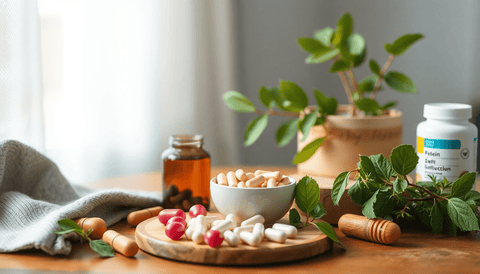
Menopause supplements are widely marketed for hot flashes, night sweats, mood changes, and sleep problems, but quality varies enormously between products. Knowing how to choose menopause supplements means understanding what is actually happening in your body during the transition, which nutrients and botanicals have meaningful evidence behind them, and how to separate well-formulated products from clever marketing. This guide walks you through the physiology of menopause, diet and lifestyle strategies worth trying first, the ingredients with the strongest research support, and practical criteria for evaluating labels, formats, and quality so you can make an informed, safe choice.
Why Choosing the Right Menopause Supplements Matters
The supplement aisle for menopause is crowded, and not all products are created equal. Some contain studied ingredients at evidence-based doses; others rely on proprietary blends, understudied herbs, or doses too low to plausibly help. Because menopause symptoms can significantly affect quality of life, choosing poorly means wasting money on ineffective products—or worse, overlooking safety concerns such as interactions with medication.
Understanding the Range of Menopause Symptoms
Menopause involves far more than hot flashes. Common experiences include vasomotor symptoms (hot flashes and night sweats), sleep disruption, mood changes, difficulty concentrating, vaginal dryness, joint discomfort, and gradual bone density loss. These symptoms arise from declining estrogen, which affects the thermoregulatory system, bone metabolism, mood-regulating pathways, and tissue health throughout the body.
Why a One-Size-Fits-All Approach Fails
Two women of the same age can have completely different symptom profiles. One may struggle primarily with sleep and mood during perimenopause, while another has mild hot flashes but concerns about bone health. The right supplement depends on which symptoms you actually experience, your stage of the transition, your overall health, and the medications you take. This is why evaluating your own situation—rather than buying the best-selling product—should come first.
The Menopause Transition: What Happens Physiologically
Hormonal Shifts and Their Systemic Effects
Menopause is defined retrospectively as twelve consecutive months without a menstrual period, typically occurring around age 45–55. In the years leading up to it, ovarian function declines and estrogen levels fluctuate and eventually fall. Estrogen receptors exist throughout the body, so this decline has wide-reaching effects: blood vessels become less stable in their constriction and dilation (contributing to hot flashes), bone resorption accelerates, sleep architecture changes, and lipid profiles often shift unfavorably.
The Difference Between Perimenopause and Menopause
Perimenopause is the transitional phase before menopause, when hormone levels fluctuate irregularly—sometimes producing symptoms that come and go. Postmenopause begins after the final period. This distinction matters because symptoms and nutritional priorities differ by stage: vasomotor symptoms often peak in late perimenopause and early postmenopause, while bone density support becomes an increasing priority afterward.
Key Signs That Supplement Support May Be Relevant
Common Symptoms: Hot Flashes, Night Sweats, and Sleep Disturbances
Vasomotor symptoms are the hallmark of the menopause transition, affecting a majority of women to some degree. Night sweats can fragment sleep, and poor sleep in turn worsens mood, concentration, and stress resilience. If these symptoms are persistent and disruptive, and dietary strategies have not provided enough relief, targeted supplement support may reasonably be considered alongside medical options.
Distinguishing General Aging from Hormonal Changes
Not every symptom in midlife is hormonal. Fatigue, weight changes, and low mood can stem from thyroid issues, stress, poor sleep, medication side effects, or other conditions. Before attributing everything to menopause, it is worth considering whether a medical check-up could reveal an alternative or contributing cause. This is especially important for symptoms such as very heavy bleeding, bleeding after menopause, or sudden severe mood changes, which warrant prompt medical evaluation.
Factors That Influence Your Supplement Needs
Age and Stage of the Transition
Your needs in early perimenopause differ from those a decade after your last period. During perimenopause, symptoms can fluctuate monthly, making it harder to judge whether a supplement is working. Postmenopause, priorities often shift toward bone, cardiovascular, and metabolic health, where nutrients such as calcium, vitamin D, and omega-3s may be more relevant than botanicals targeting hot flashes.
Lifestyle Factors: Stress, Diet, and Physical Activity
Chronic stress amplifies sleep problems and can intensify the perception of hot flashes. A diet low in protein, calcium, or key micronutrients may compound age-related losses in muscle and bone. Sedentary behavior is associated with worse vasomotor symptoms in observational research, while regular physical activity is consistently linked with better mood, sleep, and metabolic health during the transition.
The Impact of Medications and Existing Health Conditions
Medications such as thyroid hormone, antidepressants, blood thinners, and tamoxifen can interact with botanical supplements. Conditions including liver disease, kidney disease, estrogen-sensitive cancers, and bleeding disorders change the risk calculus for many popular ingredients. Always review your full medication and health history before starting a new supplement.
Diet and Lifestyle Strategies to Try First
Phytoestrogen-Rich Foods and Their Role
Phytoestrogens are plant compounds that weakly bind estrogen receptors. Traditional Asian diets rich in soy foods have been associated with lower reported rates of hot flashes, and controlled studies of soy isoflavones have shown modest reductions in frequency for some women. Foods such as tofu, tempeh, edamame, miso, and flaxseed are practical first-line dietary additions—whole-food sources also provide protein, fiber, and other beneficial compounds.
Optimizing Calcium and Vitamin D Intake Through Food
After menopause, declining estrogen accelerates bone loss, making calcium and vitamin D foundational nutrients. Dairy products, fortified plant milks, canned fish with bones, leafy greens, and almonds contribute calcium, while oily fish, egg yolks, and fortified foods provide some vitamin D—though many women in Northern Europe still have low vitamin D status, particularly in winter. If your dietary intake falls short, supplements can help close the gap; you can learn more about calcium for bone and muscle health and vitamin D sources and safety to decide whether supplementation fits your situation.
Lifestyle Habits That Support Hormonal Balance
While "hormone balance" is often overused in marketing, evidence does support several habits: regular weight-bearing and aerobic exercise for bone and cardiovascular health, consistent sleep routines, limiting alcohol (a known trigger for hot flashes in many women), maintaining a healthy weight, and stress-management practices such as paced breathing, which has been studied for reducing hot flash severity.
Nutrients and Botanicals Commonly Used for Menopause Relief
Black Cohosh: What the Evidence Says
Black cohosh (Actaea/Cimicifuga racemosa) is one of the most studied botanicals for vasomotor symptoms. Evidence is mixed: some trials and reviews suggest modest benefit for hot flashes, while others find no advantage over placebo. Importantly, it does not appear to act as a classic phytoestrogen. Quality matters greatly—standardized extracts used in trials differ from unstandardized products, and rare cases of liver injury have been reported, so anyone with liver conditions should avoid it and consult a professional first.
Soy Isoflavones: How They Compare to Hormone Therapy
Soy isoflavone supplements (genistein, daidzein) provide concentrated phytoestrogens. Meta-analyses generally show modest reductions in hot flash frequency and severity—typically smaller than the effects seen with hormone therapy. Genetics influence the response: so-called "equol producers" convert daidzein into a more active metabolite, which may partly explain why some women respond better than others. Women with estrogen-sensitive conditions should discuss isoflavone use with their oncologist or physician.
The Role of Ashwagandha and Adaptogens for Stress and Sleep
Ashwagandha has been studied for stress reduction, and some small trials in perimenopausal women suggest improvements in perceived stress, sleep quality, and symptom scores. It is best viewed as support for the stress and sleep dimension of the transition—not a treatment for hot flashes. Ashwagandha is not suitable for everyone: it may interact with thyroid medication, sedatives, and immunosuppressants. Learn more in our ashwagandha supplement guide.
Why Omega-3 Fatty Acids May Support Mood and Heart Health
After menopause, cardiovascular risk rises as estrogen's protective effects fade. Omega-3 fatty acids (EPA and DHA) from fish oil are well established as part of heart-healthy nutrition, and some research suggests EPA-rich formulations may support mood—relevant since depressive symptoms can increase during the transition. Evidence for omega-3s directly reducing hot flashes is weak, so they are better chosen for cardiovascular and general health reasons. See our omega-3 supplement collection for form and dosage considerations.
How to Choose Menopause Supplements: Evaluating Your Options
Which Nutrient Forms Are Better Absorbed?
Chemical form matters for several key nutrients. Calcium citrate absorbs somewhat better than calcium carbonate, particularly for women with lower stomach acid—a common issue with age—or those taking acid-reducing medication. For omega-3s, triglyceride and re-esterified triglyceride forms are generally well absorbed, though ethyl esters are also effective when taken with a fat-containing meal. Magnesium forms vary in tolerability; magnesium glycinate and citrate are often better tolerated than oxide, which has low bioavailability.
Single-Ingredient Formulas vs. Comprehensive Blends
Single-ingredient products make it easy to identify what works and what doesn't, and to adjust doses independently. Comprehensive blends are convenient but can obscure which ingredient is responsible for benefit or side effects, and they may include sub-therapeutic doses of several ingredients to fit a serving size. If you choose a blend, verify that key ingredients appear at doses supported by research—not just listed on the label.
Determining the Right Dosage for Common Ingredients
Responsible products reflect the doses used in studies: black cohosh extracts are typically standardized and dosed in the range used in clinical trials; soy isoflavone trials commonly use around 40–80 mg of isoflavones daily; omega-3 products usually provide 250–1,000 mg of combined EPA and DHA per serving for general support. For nutrients, the EU reference intakes and tolerated upper levels (set by EFSA) provide useful benchmarks—more is not better, and exceeding upper limits for calcium or vitamin D carries real risks. Never combine multiple products without checking cumulative doses.
How to Read a Menopause Supplement Label
Understanding Ingredient Names and Standardized Extracts
Botanical labels should specify the plant part used and a standardized content—for example, an extract "standardized to contain X mg of active compound." Standardization is what allows a product to match the extracts used in research. Vague listings like "black cohosh blend 500 mg" without extract ratios or standardization give you little basis for comparison.
Deciphering Serving Sizes and Potency Claims
Always check how many capsules constitute a serving. Some products advertise an impressive total but require four capsules daily to reach it. Also note the split between total ingredient weight and active compound content—a 1,000 mg fish oil capsule might contain only 300 mg of EPA and DHA, which is the figure that matters.
Identifying Hidden Additives, Allergens, and Fillers
Check the "other ingredients" list if you have allergies (soy, gluten, dairy, gelatin) or dietary preferences (vegan capsules). Certain fillers and flow agents are harmless for most people but worth knowing about; unnecessary colors, sweeteners, or proprietary "bioenhancer" blends are reasons to look elsewhere, not signals of quality.
Comparing Supplement Formats: Capsules, Tablets, Powders, and Liquids
Bioavailability Differences Across Delivery Forms
Form affects how quickly and completely a nutrient is absorbed, but no single delivery method is universally superior. Liquids and powders can be easier to swallow and split into smaller doses; enteric-coated softgels can reduce fishy reflux from fish oil; standard tablets are stable and inexpensive but harder to dissolve for some people. For most well-absorbed nutrient forms, the difference between formats is smaller than the difference between good and poor formulations.
Convenience and Consistency in Daily Use
The best format is ultimately the one you will take consistently. Most botanicals and omega-3s work—if they work at all—over weeks, not days, so a product you abandon after a fortnight helps no one. Consider whether the dosing schedule fits your routine, whether you prefer taking supplements with meals, and whether the format suits travel or a sensitive stomach.
Quality Indicators to Look For in a Menopause Supplement
Third-Party Testing and Certification Seals
Because supplements are less tightly regulated than medicines, independent verification matters. Look for products tested by recognized third-party programs or certified under standards such as GMP (Good Manufacturing Practice). Testing confirms that the product contains what the label claims and is free from significant contaminants such as heavy metals.
Ingredient Transparency and Label Accuracy
Reputable brands publish exact amounts of every active ingredient, use standardized extracts where applicable, and make certificates of analysis available. Transparency about sourcing (for example, the origin and species of herbal extracts) is another positive signal.
Why You Should Be Cautious of Proprietary Blends
A proprietary blend lists a group of ingredients with only a total weight, hiding the amount of each one. This makes it impossible to judge whether an ingredient is present at an evidence-based dose, and it prevents meaningful comparison between products. For menopause supplements, where dosing is central to efficacy, blends are a significant drawback.
Safety, Side Effects, and Interactions
Potential Risks of High-Dose or Prolonged Use
More is not better with any supplement. High-dose calcium supplementation has been associated in some research with an increased risk of kidney stones and, in some studies, cardiovascular concerns—dietary calcium is generally preferred where possible. Excess vitamin D over long periods can cause elevated blood calcium. Botanicals taken for months should also be reviewed periodically; if a supplement has not helped after a reasonable trial (typically 8–12 weeks for vasomotor symptoms), continuing it indefinitely adds cost and risk without benefit.
Interactions with Common Medications
Key interactions to discuss with a professional: black cohosh with liver-metabolized medications and in liver disease; ashwagandha with thyroid medication, sedatives, and immunosuppressants; omega-3s at high doses with anticoagulant or antiplatelet drugs; and isoflavones with tamoxifen and hormone therapies. St. John's wort, sometimes marketed for low mood, interacts with a long list of medications and deserves particular caution.
Special Considerations for Breast Cancer Survivors
Women with a history of estrogen-sensitive cancers should be especially careful with phytoestrogen supplements and any botanical marketed as hormone-like. Evidence on safety in this group is limited and sometimes conflicting. This is a situation where supplement choices should never be made without involving your oncology team.
How to Evaluate Your Options for an Informed Choice
Key Questions to Ask Before Buying
- Which specific symptom am I trying to support, and does this ingredient have evidence for it?
- Is the dose consistent with amounts used in research?
- Are extracts standardized, and are all ingredient amounts disclosed?
- Does the product carry third-party testing or GMP certification?
- Could this interact with my medications or health conditions?
- How will I judge after 8–12 weeks whether it is worth continuing?
When to Seek Professional Guidance or Testing
Symptoms alone cannot reliably tell you your nutritional status. Blood tests for vitamin D, thyroid function, iron status, and other markers can identify genuine deficiencies that supplementation should target—and rule out conditions that mimic menopause symptoms. A physician, gynecologist, or registered dietitian can also help you weigh supplements against medical options such as hormone therapy, which remains the most effective treatment for moderate-to-severe vasomotor symptoms. General educational resources, such as our herbal supplement safety and sourcing guide, can help you assess quality, but personalized advice requires a professional who knows your history.
Conclusion: Making an Informed Decision on Menopause Supplements
Practical Next Steps for Symptom Relief
Start with diet and lifestyle: increase soy foods and other phytoestrogen sources, secure adequate calcium and vitamin D, exercise regularly, moderate alcohol, and protect your sleep. If symptoms remain disruptive, choose a single, well-standardized supplement matched to your dominant symptom, take it consistently for a defined trial period, and evaluate the result honestly.
The Bottom Line on Safety and Realistic Expectations
Menopause supplements can offer meaningful support for some women—particularly for sleep, stress, bone nutrition, and possibly modest relief of hot flashes—but they are not replacements for medical care and rarely match the efficacy of hormone therapy for severe symptoms. Individual responses vary widely, and what works for one woman may do nothing for another. Prioritize evidence-based doses, transparent labeling, and third-party quality assurance, and involve a healthcare professional whenever you take medications, have existing conditions, or have a history of hormone-sensitive cancer.
Frequently Asked Questions
What are the most evidence-backed menopause supplements?
Soy isoflavones and standardized black cohosh extracts have the most research behind them for hot flashes, though evidence for both is mixed and effects are generally modest. For sleep and stress, ashwagandha has some supporting trials, and calcium plus vitamin D are well established for bone nutrition after menopause.
How long before a menopause supplement starts working?
Botanicals and omega-3s typically require 4–12 weeks of consistent use before meaningful effects can be judged. If nothing changes after about three months, the product is unlikely to help and continuing it is rarely worthwhile.
Can menopause supplements replace hormone therapy?
No. Hormone therapy remains the most effective treatment for moderate-to-severe hot flashes and related symptoms. Supplements may offer modest support for milder symptoms or for women who cannot or prefer not to use hormones, but that decision should be made with a healthcare provider.
Are phytoestrogens safe for everyone?
Whole-food soy is considered safe and potentially beneficial for most women. Concentrated isoflavone supplements, however, should be used cautiously by women with estrogen-sensitive cancers, a strong family history, or those taking tamoxifen—always with medical guidance.
Is black cohosh safe for the liver?
Most women tolerate it well, but rare cases of liver injury have been reported. Anyone with liver disease, or taking medications that affect the liver, should avoid black cohosh or use it only under professional supervision, and should stop immediately if symptoms such as dark urine, jaundice, or unusual fatigue appear.
How much calcium and vitamin D do I need after menopause?
Needs vary by country, diet, and individual status; in Europe, EFSA sets adult reference intakes of roughly 800–950 mg/day for calcium and 15 µg/day for vitamin D, with vitamin D needs often higher in winter. Blood testing for vitamin D is the most reliable way to determine whether supplementation is needed and at what level.
Which form of calcium is best for older women?
Calcium citrate is often better tolerated and absorbed, especially for women with reduced stomach acid or those using acid-suppressing medication. Calcium carbonate contains more elemental calcium per tablet but should be taken with food for best absorption.
Do omega-3 supplements help with hot flashes?
Evidence for omega-3s reducing hot flashes is weak and inconsistent. They are better justified for cardiovascular and general health support, which is particularly relevant after menopause as cardiovascular risk increases.
Can ashwagandha help with menopause-related stress and sleep?
Small studies suggest ashwagandha may improve perceived stress, sleep quality, and overall menopause symptom scores. It is not a treatment for hot flashes, and it can interact with thyroid medication, sedatives, and immunosuppressants, so check with a professional first.
What does "standardized extract" mean on a label?
It means the manufacturer guarantees a specified amount of an active compound in the extract—for example, a black cohosh extract standardized to a defined marker compound. Standardization makes products comparable to those used in clinical research, which non-standardized herbal powders cannot claim.
Can I take multiple menopause supplements together?
Often yes, but check for overlapping ingredients (especially calcium, vitamin D, and magnesium across products) and cumulative doses, as well as herb-drug interactions. A pharmacist or physician can review your full list safely.
When should I see a doctor instead of self-treating?
See a doctor for very heavy bleeding, any bleeding after menopause, severe or rapidly worsening mood symptoms, symptoms that significantly disrupt daily life, or if you take prescription medications and are considering botanicals. These situations require professional assessment, not self-management.
Related Keywords
- how to choose menopause supplements
- best menopause supplements for hot flashes
- supplements for night sweats and sleep
- black cohosh for menopause
- soy isoflavones menopause relief
- ashwagandha for menopause symptoms
- calcium and vitamin D for bone health after menopause
- omega-3 for menopause mood
- perimenopause supplement guide
- menopause supplement label reading
- phytoestrogen foods for hot flashes
- menopause supplement safety and interactions
- third-party tested supplements for women
- natural remedies for vasomotor symptoms