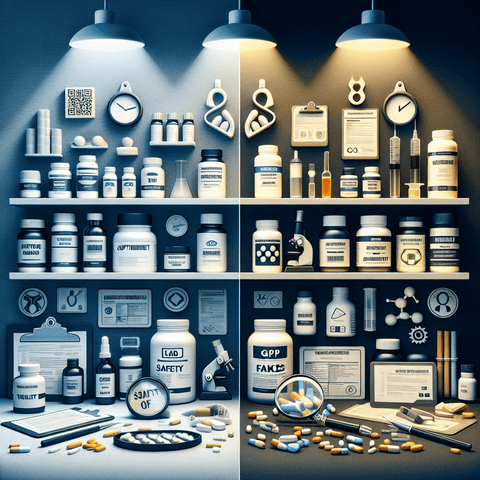
Navigating the world of dietary supplements requires more than just choosing a familiar brand. Understanding how to verify supplements is a critical skill that helps ensure you are investing in products that are safe, pure, and accurately labeled. This guide acts as your starting point, providing a clear overview of the key principles of supplement verification. Here, you will learn how to read labels with a critical eye, understand the role of third-party testing, and identify the markers of a reputable product, empowering you to shop with confidence and make informed decisions for your health.
What Does It Mean to Verify a Supplement?
Verifying a supplement is a multi-layered process that goes beyond simply glancing at the front of the bottle. It involves a systematic assessment of the product's quality, purity, and accuracy against established standards. This process helps bridge the gap between what a manufacturer claims and what you can trust is actually in the product. The core promise of verification is risk reduction, helping you avoid products that may contain undeclared ingredients, incorrect dosages, or harmful contaminants.
In practice, verification involves scrutinizing product labels for accuracy, confirming that the ingredients listed are present in the stated amounts, and checking for signs of quality assurance, such as batch numbers and expiration dates. It also means looking beyond the label to seek independent confirmation of quality from third-party organizations. By adopting this mindset, you are not just purchasing a product; you are actively participating in the quality assurance process.
Core Elements of Supplement Verification
Several key elements form the foundation of a thorough supplement verification process. By understanding and checking each of these, you can significantly increase the likelihood of purchasing a product that is both safe and effective for its intended purpose.
Label Accuracy and Ingredient Identity
The label is your primary source of information. Start by verifying the identity of every ingredient listed. Ensure the specific form of the nutrient is stated (e.g., magnesium citrate vs. magnesium oxide), as this can affect absorption. Check that the dosage or amount per serving is clearly indicated and falls within recognized reference ranges. A supplement label that is vague about its ingredients is a potential red flag.
Third-Party Testing and Certifications
One of the strongest indicators of a quality supplement is independent, third-party testing. Look for seals from organizations like NSF International or USP (U.S. Pharmacopeia). These seals indicate that the product has undergone rigorous testing to verify it contains the ingredients listed on the label, in the correct amounts, and is free from harmful levels of contaminants like heavy metals, pesticides, and microbes. This independent verification offers a level of assurance beyond a manufacturer's own claims.
Manufacturing Certifications and Good Practices
Responsible manufacturers adhere to Good Manufacturing Practices (GMP). These are regulations enforced by the FDA to ensure that products are consistently produced and controlled according to quality standards. While GMP compliance is a baseline, some manufacturers go a step further by obtaining voluntary certifications that require more stringent audits. Researching a brand's manufacturing standards can provide valuable insight into its commitment to quality.
Understanding What 'Verified' vs. 'Credible' Means
It is important to understand the difference between a product that is 'verified' and one that is simply 'credible.' A 'verified' product has objective, independent proof of quality, such as a certificate of analysis from a third-party lab or a seal from a recognized certification body. 'Credibility' is more subjective, often based on a brand's reputation, marketing materials, or anecdotal reports. While credibility can be a starting point, a truly verifiable supplement should offer tangible proof of its quality standards.
Why Verifying Supplements Matters
The consequences of not verifying supplements can range from wasting money on ineffective products to exposing yourself to potential health risks. The supplement industry is not regulated with the same pre-market scrutiny as pharmaceuticals. This places a significant burden of responsibility on both manufacturers and consumers to ensure the quality and safety of products. The principle of 'caveat emptor'—let the buyer beware—is particularly relevant here.
Failing to verify can lead to exposure to contaminants, ingestion of undeclared or potentially harmful ingredients, and interactions with medications you may be taking. On a positive note, verifying supplements helps you build trust in your purchasing decisions, ensuring that the products you choose are more likely to deliver the intended benefits without unintended risks. It is an essential part of taking control of your own health and well-being.
Common Signs That May Prompt Supplement Use
People often consider supplements when they experience certain symptoms or suspect a dietary gap. While these signals can be a starting point for exploration, they are rarely a substitute for objective assessment. Common symptoms that might lead someone to research supplements include persistent fatigue, sleep difficulties, digestive discomfort, or joint pain. However, these symptoms are non-specific and can be caused by a wide range of lifestyle or health factors.
Nutrient gaps are another common reason for considering supplementation. Some nutrients frequently identified as lacking in modern diets include:
- **Vitamin D** – often due to limited sun exposure.
- **Magnesium** – involved in numerous bodily functions, including muscle and bone support.
- **Calcium** – crucial for bone health.
- **Omega-3 fatty acids** – important for heart and brain health.
- **B vitamins** – essential for energy metabolism.
- **Iron** – necessary for oxygen transport in the blood.
Remember, experiencing a symptom like fatigue does not automatically mean you have a magnesium deficiency. It is crucial to consult a healthcare professional for proper testing and diagnosis, rather than self-diagnosing based on symptoms alone. A verified supplement can only be effective if it addresses an actual need.
Important Considerations for Individual Supplement Use
The effectiveness and safety of a supplement are not universal; they are heavily influenced by individual factors. A verified, high-quality product may be helpful for one person but unnecessary, or even inappropriate, for another. Understanding your own context is key.
Biological and Life-Stage Differences
Your age, sex, life stage (such as pregnancy or lactation), level of physical activity, and the presence of chronic health conditions can all influence your nutritional needs and how your body processes supplements. For example, older adults may have different needs for vitamin D and calcium, while athletes may require additional support for muscle function and recovery. It is important to tailor your approach based on your specific circumstances rather than following a generic recommendation.
Genetic and Microbiome Factors
Your genetic predispositions and the composition of your gut microbiome can influence how well you absorb and utilize nutrients. These factors can explain why some people may benefit more from certain supplement forms or dosages than others. This individual variability highlights the limitation of a 'one-size-fits-all' approach to supplementation.
The Role of Placebo and Perception
It's important to acknowledge that a person's belief in a supplement can influence their perceived results, a phenomenon known as the placebo effect. While the hope of benefit is a valid part of the experience, it is crucial to distinguish between subjective feelings and objectively measurable outcomes. Relying on high-quality scientific evidence, rather than solely on personal perception, is a more reliable method for evaluating a supplement's true effectiveness.
A Practical Decision Flow for Choosing Supplements
When considering a supplement, a methodical approach can help you avoid common pitfalls. The following steps provide a broad framework for integrating verification into your decision-making process.
- **Assess your needs.** Identify specific symptoms or lifestyle factors that prompt you to consider a supplement.
- **Gather objective information.** Review your dietary patterns and consult a healthcare professional for appropriate tests if necessary.
- **Evaluate product quality.** Look for clear labels and third-party certifications from organizations like NSF or USP.
- **Start low and monitor.** Choose a single-ingredient product and begin with a low dose to assess tolerance.
- **Re-evaluate after a defined period.** Track your symptoms and consider whether the supplement is having the desired effect after several weeks.
This process is not a substitute for professional medical advice. You should always consult a healthcare provider before starting a new supplement, especially if you are taking medication, are pregnant, or have a chronic health condition. They can help you interpret lab results and make informed decisions.
Where to Begin Your Search for Quality Supplements
Applying the principles of verification starts with your choice of retailer and brand. A reliable retailer will provide transparent product information and stock brands that prioritize quality. This includes brands that clearly disclose their manufacturing and testing practices.
At Topvitamine.com, we aim to support your verification efforts by offering a curated collection of products from brands known for their commitment to quality and transparency. You can start by exploring our range of natural supplements to see a selection of products. For those interested in specific nutrients, our guides on multivitamins can help you build a balanced foundation, while our mineral supplements guide provides insights into individual minerals like iron and zinc. We encourage you to use the verification techniques discussed here when evaluating any product for your health needs.
Key Takeaways for Verifying Supplements
- Always check the supplement label for ingredient accuracy, dosage, and expiration date.
- Prioritize products with third-party certifications like NSF or USP for independent quality assurance.
- Recognize that supplements are intended to complement, not replace, a balanced diet.
- Individual factors like age, genetics, and health status can influence how supplements work.
- Consult a healthcare professional before starting any new supplement, especially if you have underlying conditions.
- Base your decisions on objective evidence and reliable information, not just product marketing.
Understanding the Role of Certifications: Quick Q&A
What is the best way to check for a supplement's reputation?
A great starting point is to look for independent third-party testing certifications, such as those from NSF International or USP. Their seals indicate the product has been verified for quality, purity, and accurate labeling.
How do I know if a supplement brand is reputable?
A reputable brand is typically transparent about its manufacturing practices, sourcing of ingredients, and quality control processes. Look for brands that readily provide certificates of analysis or have their products tested by independent labs.
What are some recognized supplement certifications?
Look for certifications from recognized organizations like the U.S. Pharmacopeia (USP) or NSF International. These bodies have strict standards for quality, purity, and accuracy that go beyond basic regulatory compliance.
How can I verify third-party testing?
Manufacturers that conduct third-party testing will typically display a seal from the testing organization on their product label. You can often verify this by visiting the certifying body's website and searching for the brand or product name.
Next Steps in Your Supplement Journey
Armed with the knowledge of how to verify supplements, you can approach your next purchase with greater confidence. Start by evaluating the labels and certifications of the products you currently use. For future purchases, take the time to research brands and look for independent verifications. Topvitamine.com is here to support you by offering clear product information and a selection of brands dedicated to quality, helping you on your path to making safer, more informed health choices.