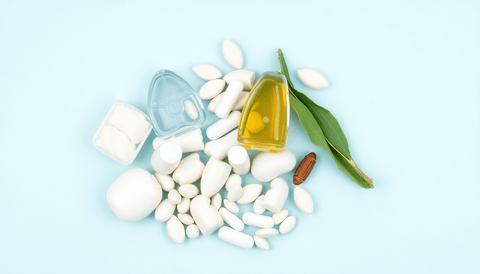
Hypoallergenic supplements are dietary supplements formulated to avoid, or strictly minimize, ingredients that commonly trigger allergic reactions or intolerances—such as gluten, dairy, soy, nuts, and certain additives. For people with food allergies, sensitivities, or sensitive digestion, the supplement itself can be an overlooked source of exposure, since many standard products contain allergen-derived fillers, coatings, or flavorings. In this guide, you will learn what hypoallergenic supplements actually are, how they differ from standard formulas, how they are manufactured and tested, who may benefit most, and how to read labels and choose a product with confidence.
What Are Hypoallergenic Supplements?
Definition and Core Principles of Hypoallergenic Formulas
Hypoallergenic supplements are products designed to reduce the likelihood of an adverse reaction by excluding well-known allergens and irritants. The core principles are simple: use nutrient forms with minimal non-essential ingredients, avoid allergen-derived excipients where possible, and control manufacturing so that unintended cross-contamination is limited. Importantly, "hypoallergenic" describes an approach to formulation—it is not a regulated, legally defined guarantee that a product is safe for everyone with allergies.
Common Allergens Found in Standard Supplements
Standard supplements may contain a surprising number of allergen-derived components. Examples include gelatin capsules from animal sources, lactose or whey from dairy, soy lecithin, wheat-based fillers, and nut-derived oils. Flavorings, colorings, and coatings can also contain or be processed alongside allergens. Because these ingredients are often listed under unfamiliar names, they can be easy to miss unless you know what to look for.
Hypoallergenic vs. Allergen-Free: Understanding the Difference
These terms are not interchangeable. "Allergen-free" implies the complete absence of specific allergens, while "hypoallergenic" suggests a reduced likelihood of triggering reactions. In practice, even carefully formulated products can carry trace amounts due to shared equipment or supply-chain factors. Responsible brands communicate this nuance, and labels should be read as describing formulation choices—not as medical guarantees.
Why Allergen Exposure in Supplements Matters for Health
How Hidden Allergens in Supplements Can Affect Sensitive Individuals
For someone with a diagnosed allergy, even small amounts of an allergen may cause reactions ranging from digestive discomfort to serious immune responses. Because supplements are taken daily and often perceived as inherently "healthy," people may not think to scrutinize them the way they scrutinize food. Hidden allergens in a daily capsule can therefore cause repeated, unexplained exposure.
How Supplement Allergens Differ from Food Allergens
Allergen exposure from supplements differs from food in two ways. First, doses are typically small but concentrated and consistent, which can matter for highly sensitive individuals. Second, excipients and processing aids are sometimes declared in technical terms or grouped under "other ingredients," making identification harder than with packaged food, where allergen labeling rules are generally more explicit.
Why People with Food Allergies or Sensitivities Should Pay Attention
If you manage a food allergy, celiac disease, lactose intolerance, or a sensitivity diet, your total allergen burden includes everything you swallow—not just meals. Checking supplements for allergen-derived ingredients helps you avoid unnecessary symptoms and makes it easier to identify the true source when reactions do occur. It also supports consistency during elimination diets, where every intake must be controlled.
Who May Benefit from Hypoallergenic Supplements?
Individuals with Diagnosed Food Allergies
People with IgE-mediated allergies—to dairy, soy, wheat, nuts, shellfish, or egg—benefit most from deliberate allergen avoidance, including in supplements. For this group, label scrutiny and, where appropriate, confirmation with the manufacturer are practical necessities rather than preferences.
People with Non-IgE-Mediated Sensitivities or Intolerances
Not all adverse reactions involve the immune system in the same way. Lactose intolerance, gluten sensitivity without celiac disease, and histamine-related intolerances can cause discomfort without classic allergic responses. Hypoallergenic formulas that remove lactose, gluten, and common additives may reduce the chance of triggering these reactions, though individual tolerance varies.
Those with Sensitive Digestion or Absorption Challenges
Individuals with irritable bowel symptoms, inflammatory digestive conditions, or reduced absorption may tolerate simpler formulas better. Fewer fillers, binders, and flavoring agents can mean less digestive burden—although this is an individual experience rather than a guaranteed outcome, and anyone with a diagnosed gastrointestinal condition should discuss supplementation with their care provider.
Children and Older Adults with Higher Sensitivity Risks
Children and older adults may be more sensitive to additives, and both groups often have specific nutrient needs. Choosing simpler, well-tested formulas with transparent labels is a sensible approach—but dosing, form (such as liquids or powders for those who cannot swallow capsules), and safety should always be confirmed with a pediatrician, pharmacist, or physician.
What Ingredients Are Typically Removed or Modified?
Common Excluded Ingredients: Gluten, Dairy, Soy, and Nuts
Hypoallergenic formulas typically avoid gluten-containing grains, dairy-derived ingredients such as lactose and whey, soy derivatives like soy lecithin, and nut oils. These are among the most common allergens and are also frequent, functional ingredients in standard supplements—used as fillers, flow agents, or capsule bases.
Other Frequently Removed Additives and Fillers
Beyond the major allergens, hypoallergenic products often minimize artificial colors, sweeteners, hydrogenated oils, shellac-based coatings, titanium dioxide, and certain preservatives. Fillers such as microcrystalline cellulose are generally well tolerated, but brands aiming for "fewest ingredients possible" may reduce or remove them where technically feasible.
Modified Nutrient Forms and How They Reduce Risk
Some nutrient forms themselves reduce allergen risk. For example, vitamin D3 derived from lichen rather than lanolin (sheep wool) suits those avoiding animal-derived sources; algae-based omega-3s replace fish oil for people with fish allergies; and mineral chelates bound to amino acids like glycine can replace citrates or oxides sourced with more processing aids. Selecting the appropriate nutrient form is one of the most meaningful decisions in hypoallergenic formulation, alongside general natural supplement choices.
How Hypoallergenic Supplements Are Formulated
Ingredient Sourcing and Cross-Contamination Controls
Cross-contamination can occur at any step: on the farm, during raw-material transport, in shared manufacturing facilities, or during packaging. Responsible brands use dedicated equipment or validated cleaning procedures, require allergen statements from suppliers, and audit their supply chains. This work happens behind the label, which is why brand transparency matters.
Third-Party Testing and Certification Programs
Independent verification adds a layer of trust that self-declared claims cannot. Third-party laboratories can test finished products for gluten (below recognized thresholds such as 20 ppm for "gluten-free"), undeclared allergenic proteins, heavy metals, and identity of ingredients. Certifications from recognized programs indicate that someone other than the manufacturer has checked the claims.
Manufacturing Standards for Allergen Control
Good manufacturing practice (GMP) standards govern how supplements are produced, including cleaning validation, segregation of raw materials, allergen control plans, and batch documentation. Brands that openly describe their GMP compliance and allergen-handling procedures make it easier for sensitive consumers to assess risk before purchasing.
Common Delivery Forms: Capsules, Tablets, Powders, and Liquids
Each delivery form has allergen implications. Gelatin capsules are animal-derived, while cellulose-based (vegetarian) capsules suit plant-free preferences. Tablets often require more binders and coatings; powders may include flavorings or sweeteners; liquids can contain preservatives. For minimal-ingredient seekers, a vegetarian capsule with few excipients, or an unflavored powder, is often the simplest starting point.
How to Choose a Hypoallergenic Supplement
Reading the Ingredient List for Allergen Sources
Read both the active ingredients and the "other ingredients" section. Look for derivatives such as whey, casein, lactose, soy lecithin, wheat starch, or gelatin. Remember that an ingredient may be allergenic even if the front label does not mention it—front-of-pack claims are voluntary and selective.
Understanding the Difference Between Trace Amounts and Label Claims
A label saying "contains no soy" usually means no soy was intentionally added; it does not always rule out trace amounts from shared equipment. Phrases like "made in a facility that also processes..." are disclosure, not warning labels, and can actually indicate a more transparent brand. For severe allergies, contact the manufacturer to ask about allergen testing of the specific batch.
What "Free From" Claims Actually Mean on Labels
Claims such as "gluten-free," "dairy-free," or "soy-free" are only as reliable as the testing and controls behind them. Some are backed by certification and batch testing; others are simply formulation statements. When a claim matters medically, look for a recognized certification seal or written confirmation from the manufacturer rather than relying on marketing language alone.
Key Certifications and Testing Seals to Look For
Helpful indicators include third-party testing seals, gluten-free certification from recognized bodies, non-GMO verification, and statements about GMP-compliant facilities. Independent quality markers cannot guarantee personal tolerance, but they meaningfully raise the probability that the label matches the contents.
How to Interpret a Hypoallergenic Supplement Label
Serving Size vs. Amount Per Serving
The nutrition panel lists both the serving size (how many capsules or how much powder) and the amount of each nutrient per serving. Check both: a product requiring four capsules daily to reach a modest nutrient dose may carry four times the excipients of a more concentrated formula, which matters for sensitive individuals.
Identifying Hidden Allergen Names and Derived Ingredients
Allergens often hide behind technical names. Casein and whey indicate dairy; hydrolyzed vegetable protein may derive from soy or wheat; magnesium stearate can be sourced from animal or plant fats; and "natural flavor" can encompass many substances. When a derived ingredient's source is unclear, reputable manufacturers will specify it on request.
The Role of Excipients, Binders, and Encapsulation Materials
Excipients are inactive ingredients that make manufacturing possible—flow agents, binders, disintegrants, and capsule shells. Most are safe at the levels used, but for a hypoallergenic approach the goal is minimal, well-characterized excipients. A shorter "other ingredients" list is generally a positive sign of a simpler formula, though not by itself proof of quality.
When Is Supplementation Worth Considering?
When Dietary Intake Is Inadequate or Restricted
Supplements are designed to fill gaps, not replace a varied diet. However, restrictive diets—whether due to allergies, vegan eating patterns, or elimination protocols—can make certain nutrients harder to obtain. For example, dairy-free diets may affect calcium and vitamin D intake, and limited fish consumption can reduce omega-3 intake. In these situations, a carefully chosen supplement is a reasonable option; resources on calcium and bone health or omega-3 DHA and EPA can help clarify individual needs.
When Absorption Issues Increase Nutrient Needs
Certain digestive conditions, medications, and life stages can reduce absorption or increase requirements, meaning diet alone may not maintain optimal status. A healthcare provider can assess whether supplementation is warranted and, ideally, use blood tests to confirm nutrient status rather than guessing from symptoms.
How Hypoallergenic Formulas Fit into an Elimination Diet
During an elimination diet, every intake should be as simple and predictable as possible. A hypoallergenic supplement with a short, transparent ingredient list helps keep the reintroduction process informative—if symptoms change, you will know it is more likely from food than from your supplement. This is also why multi-ingredient products are usually paused during elimination phases.
Safety Considerations and Potential Sensitivities
Can You Still React to a Hypoallergenic Supplement?
Yes. Individual sensitivities extend beyond the major allergens—some people react to specific excipients, dye agents, or even concentrated nutrient forms themselves. "Hypoallergenic" lowers risk; it does not eliminate it. If you experience symptoms after starting a new supplement, stop using it and discuss the reaction with a healthcare professional, particularly if breathing, swelling, or other severe signs occur.
Long-Term Safety and Upper Intake Levels
More is not better. Many vitamins and minerals have established upper intake levels beyond which adverse effects become more likely—particularly fat-soluble vitamins (A, D, E, and K) and minerals such as iron and zinc. Hypoallergenic status says nothing about dose appropriateness; always check how a product fits into your total daily intake, including fortified foods and other supplements such as a multivitamin.
Interactions with Medications or Medical Conditions
Nutrients can interact with medications—for example, vitamin K affects blood thinners, and mineral supplements can reduce absorption of certain drugs. Kidney or liver conditions, pregnancy, and upcoming surgery all change what is safe. Review all supplements with a pharmacist or physician, especially if you take prescription medication or manage a chronic condition.
How to Choose Between Hypoallergenic and Standard Supplements
When Standard Supplements May Be Sufficient
If you have no diagnosed allergies or sensitivities and tolerate standard products well, there is no inherent need to pay for a hypoallergenic formula. A well-made standard supplement with appropriate dose, form, and third-party quality assurance can be a perfectly sound choice.
When a Hypoallergenic Formula Is the Better Choice
Hypoallergenic formulas earn their place when you have a diagnosed allergy, follow a restrictive diet, are in an elimination phase, experience unexplained reactions to supplements, or need products for children or sensitive individuals where simplicity and transparency are priorities. In those cases, the higher ingredient standards are functional, not cosmetic.
Clinical and Professional Guidance for Complex Cases
For multiple allergies, celiac disease, severe reactions, or complex medication regimens, self-directed selection has limits. An allergist can clarify what you actually react to; a registered dietitian can identify nutrient gaps in restricted diets; and a physician can order appropriate testing. Combining professional input with careful label reading produces the safest outcomes.
Practical Takeaways: Making an Informed Decision
Checklist for Evaluating Hypoallergenic Supplements
- Full ingredient review: read active and "other" ingredients for all allergen derivatives relevant to you.
- Testing and certification: prefer brands with third-party testing and recognized allergen certifications.
- Dose appropriateness: confirm the amount per serving fits your total daily intake, not just your allergy profile.
- Nutrient form: check the source of key nutrients (e.g., algae-based omega-3, lichen-based vitamin D) against your restrictions.
- Delivery format: choose capsule, powder, or liquid based on both tolerance and practicality.
- Brand transparency: look for clear answers about facility sharing, batch testing, and supplier allergen statements.
Diet and Lifestyle Steps to Prioritize First
Before adding any supplement, evaluate whether your diet can meet the need. Fortified foods, naturally nutrient-dense options, and thoughtful meal planning often close gaps without capsules. Sleep, stress management, and appropriate physical activity also influence how well your body uses nutrients. Supplementation works best as a targeted addition to a solid foundation—not as a substitute for one.
When to Consult an Allergist, Dietitian, or Doctor
Seek professional input if you have a history of severe allergic reactions, multiple food allergies, symptoms that persist despite dietary changes, or questions about doses and interactions. Allergists, dietitians, and physicians each address a different part of the puzzle, and for complex situations their guidance is more reliable than label reading alone.
Conclusion
Hypoallergenic supplements serve a real and specific purpose: reducing allergen exposure for people who need it, through careful ingredient selection, modified nutrient forms, and controlled manufacturing. They are not automatically necessary—or automatically superior—for everyone. If you have no sensitivities, a quality standard supplement may serve you well; if you manage allergies, intolerances, or a restrictive diet, a transparent hypoallergenic formula with third-party verification is a rational choice. In either case, prioritize a nutrient-adequate diet first, check doses against your total intake, and involve a healthcare professional whenever allergies are severe, symptoms are unexplained, or medications are involved. Informed selection—not marketing labels—is what makes allergen-aware supplementation safe and effective.
Key Takeaways
- Hypoallergenic supplements are formulated to avoid common allergens like gluten, dairy, soy, and nuts, but "hypoallergenic" is a formulation approach, not a regulated guarantee.
- Standard supplements can contain hidden allergens in fillers, coatings, capsules, and "other ingredients" lists.
- Hypoallergenic and allergen-free are not identical: trace cross-contamination is possible even in carefully made products.
- Nutrient source matters: algae-based omega-3s, lichen-derived vitamin D3, and amino-acid-chelated minerals reduce allergen risk for specific restrictions.
- Third-party testing, GMP manufacturing, and recognized certifications meaningfully support label claims.
- Serving size and excipient load matter for sensitive individuals—more capsules often means more inactive ingredients.
- People with allergies, intolerances, restrictive diets, or sensitive digestion benefit most from hypoallergenic formulas; others may not need them.
- Hypoallergenic status does not address dose safety—upper intake levels for fat-soluble vitamins and minerals still apply.
- During elimination diets, simple single-nutrient formulas with short ingredient lists keep the process informative.
- Severe allergies, multiple sensitivities, and medication interactions warrant professional guidance rather than self-selection alone.
Frequently Asked Questions
What does "hypoallergenic" mean on a supplement label?
It indicates the manufacturer has formulated the product to avoid common allergens and irritants. The term is not legally defined for supplements, so it should be understood as a formulation intent rather than a certified guarantee of zero allergen content.
Can supplements contain hidden allergens?
Yes. Ingredients such as whey, lactose, soy lecithin, wheat starch, and gelatin frequently appear in standard supplements, sometimes under technical names. Always read the full "other ingredients" section, not just the front label.
Is "allergen-free" the same as "hypoallergenic"?
No. Allergen-free claims imply complete absence of specific allergens, while hypoallergenic means reduced likelihood of reaction. Even allergen-free products may carry trace amounts from shared facilities, which is why severe allergy sufferers should verify testing with the manufacturer.
Which supplement forms are best for people with allergies?
Vegetarian cellulose capsules or unflavored powders with short ingredient lists are often the simplest options. Gelatin capsules, coated tablets with multiple binders, and flavored powders tend to carry more allergen-relevant or additive ingredients.
Are fish oil supplements safe for people with fish allergies?
Highly purified fish oil may contain very little protein, but people with fish allergies should consult their allergist before use. Algae-based DHA and EPA supplements offer an omega-3 alternative that avoids fish entirely.
Can I take a multivitamin during an elimination diet?
It depends on the formula. Single-nutrient products with minimal excipients are easier to control during elimination phases; complex multivitamins with many ingredients, flavorings, or herbal additions may confound results. A dietitian can advise on the safest approach.
What should I look for in a gluten-free supplement?
Look for recognized gluten-free certification or a documented test showing gluten below accepted thresholds (commonly 20 ppm), plus clarity about whether the product is made in a shared facility. Formulation claims alone may not reflect batch-level testing.
Can someone react to a hypoallergenic supplement anyway?
Yes. Sensitivities vary and can involve minor excipients, colorings, or even concentrated nutrient forms. Hypoallergenic formulas lower risk but do not eliminate it; discontinue use and seek medical advice if symptoms occur, especially severe ones.
Do hypoallergenic supplements cost more, and why?
Often yes, due to more expensive nutrient forms (such as chelated minerals or plant-derived vitamins), stricter sourcing, dedicated equipment, and third-party testing. For people with allergies, these costs reflect real manufacturing and verification steps rather than marketing alone.
Are gelatin capsules an allergen concern?
Gelatin is derived from animal collagen (usually bovine or porcine) and is not among the major regulated allergens, but it matters for people avoiding animal products for religious, ethical, or sensitivity reasons. Cellulose-based vegetarian capsules are the usual alternative.
Can children take hypoallergenic supplements?
Children with allergies or restricted diets may benefit from simpler formulas, but dosing, form, and necessity should be confirmed with a pediatrician or dietitian, since children's nutrient requirements and safe upper limits differ from adults'.
How can I verify a brand's allergen claims?
Contact the manufacturer directly and ask about batch testing for specific allergens, facility sharing, and supplier documentation. Brands serving sensitive consumers typically answer these questions readily; vague responses are a signal to look elsewhere.
Related Keywords
- hypoallergenic supplements
- allergen-free vitamins
- gluten-free supplements
- dairy-free multivitamin
- soy-free supplement capsules
- supplements for food allergies
- allergy-friendly supplement brands
- vegetarian capsules supplements
- chelated mineral supplements
- supplement cross-contamination testing
- clean label supplements
- elimination diet supplements
- supplement excipients and fillers
- third-party tested supplements