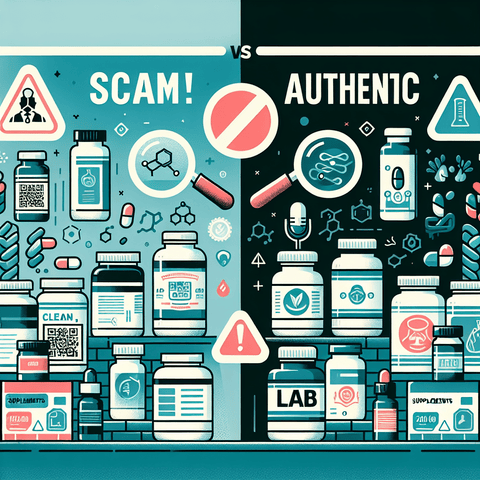
The dietary supplement market is vast, and with its growth comes the challenge of identifying bogus supplements. Counterfeit or mislabeled products are a genuine concern for shoppers who want to make informed, health-conscious decisions. This guide provides a practical, high-level framework for spotting fake supplements, checking for authenticity, and building smarter buying habits. Understanding these fundamentals helps you navigate the aisle—online or in-store—with greater confidence.
What Are Bogus Supplements?
Bogus supplements are products that may be counterfeit, adulterated, mislabeled, or of such low quality that they do not meet basic standards of what a supplement should be. This can mean the product does not contain the ingredients listed on the label, contains undeclared substances, is made under poor manufacturing conditions, or is marketed with fraudulent claims. Learning how to check supplement authenticity is the first step in protecting yourself from these risks.
While not every questionable product is dangerous, purchasing a bogus supplement always carries risk. You might not receive the nutrients you paid for, encounter unexpected ingredients, or find that the product simply doesn't meet pharmaceutical-grade quality expectations. This understanding frames why verification is important and not merely a matter of caution.
Seven Key Red Flags to Spot Fake Supplements
Before making a purchase, train yourself to look for these common warning signs that may indicate a product is less than legitimate or may help you spot fake supplements early.
- Unrealistic claims or guarantees about results. Statements promising immediate or dramatic effects are a classic sign of a product focused more on marketing than on quality.
- Incomplete or unclear ingredient lists, or vague "proprietary blend" labels. If a product does not clearly disclose what is inside, it's impossible to make an informed decision.
- Absence of independent third-party testing or certification. Many reputable brands voluntarily submit their products for testing to independent labs, providing an extra layer of quality assurance.
- Packaging red flags such as typos, missing lot numbers, or tampered seals. Sloppy packaging can be a sign of a less professional or potentially counterfeit operation.
- Seller red flags online—no physical address, questionable reviews, or copycat sites. A lack of transparency from the seller is a major warning sign.
- A price that seems dramatically lower than similar products. While bargains are nice, an implausibly low price can often indicate that corners were cut somewhere.
- Questionable batch numbers, expiration dates, or the inability to verify the source. Being unable to trace a product back to its manufacturer is a significant concern.
How to Check if Supplements Are Legit
To identify bogus supplements, you need a simple, consistent system. This pre-purchase checklist helps you evaluate a product's legitimacy across key areas. While these steps don't guarantee a product is perfect for you, they help ensure it is authentic and properly presented.
- Verify the manufacturer and its contact information. A legitimate company should be easy to reach and have a clear public presence.
- Read the full ingredient list and serving size. Understand exactly what you are consuming and in what quantities.
- Look for third-party verification logos. Organizations like NSF International, USP, or Informed Sport provide independent testing that can increase confidence in a product.
- Check batch/lot numbers and expiration dates. These should be clear, legible, and consistent with what a reputable manufacturer would provide.
- Inspect packaging for clarity and tamper seals. Packaging should be professional, intact, and free from obvious printing errors.
- Compare prices across reputable retailers. If a price seems too good to be true, it's worth investigating further.
- Review the return policy and guarantees. A reputable seller will often stand behind their product with a reasonable policy.
Using a consistent framework for checking supplement authenticity turns what can feel like an overwhelming task into a manageable set of questions you ask every time.
The Importance of Where You Buy
The seller you choose is often just as important as the product. The same supplement could be authentic when purchased from a trusted retailer and questionable when bought from an unknown online storefront. Choosing established, reputable retailers with clear customer service policies reduces the risk of accidentally buying a fake or poorly handled product.
When shopping online, consider whether the website provides a physical address, a working customer support line, and whether reviews seem genuine or fabricated. Look out for copycat sites that mimic the design of well-known brands. When in doubt, or if a detail doesn't add up, it's often wise to walk away and find a more transparent source.
Beyond Spotting Fakes: Building Smart Buying Habits
Ultimately, the most effective way to identify bogus supplements is to adopt habits that make informed purchase decisions automatic. These habits go beyond a single checklist and become part of how you approach shopping for vitamins, minerals, and nutritional products.
- Pause before you buy. Avoid impulse purchases, especially from social media ads or unfamiliar websites. Give yourself time to apply your checks.
- Do the quick checks. Run through your pre-purchase checklist looking at labels, certifications, and the seller's credibility.
- Rely on trusted sources for verification. This includes the manufacturer's official site, independent certifier databases, and reputable supplement information resources.
- Maintain a buying log. Note which vendors you trust and which products you avoid. This personal record becomes a valuable reference over time.
- Re-check product details before each purchase. A product you bought a year ago may have changed its formulation, sourcing, or packaging. Always confirm details on the current package.
These habits help you identify bogus supplements consistently and reduce risk in all your supplement shopping. By focusing on verifiable details and trusted practices, you can make safer, more confident choices.
Choosing Quality Products from Trusted Brands
Beyond verification, combining your buy-smart habits with a focus on quality can streamline decisions. Familiarizing yourself with specific supplement types helps you understand what to look for, whether you need a multivitamin for general support or a targeted mineral like magnesium. Building knowledge about different supplement categories helps you feel more in control and less likely to be swayed by clever marketing.
For example, exploring our selection of multivitamins can help you see how a reputable retailer presents ingredient lists and product information. Similarly, reviewing a magnesium supplement guide provides context for the types of questions you should ask about any nutrient. And if you are curious about herbal supplements, a herbal supplements guide can illustrate the importance of transparency in sourcing and safety. Using these resources alongside your checklist helps you move from merely spotting fakes to proactively choosing better products.
Final Thoughts on Identifying Bogus Supplements
Identifying bogus supplements is a practical, learnable skill that becomes easier with practice. It begins with knowing the red flags, continues with a verification checklist, and is solidified by building smart shopping habits. By adopting this approach, you take control of your supplement choices and shop with greater awareness.
Always remember that the information provided here is for educational purposes andis not a substitute for professional medical advice. If you have any questions about a specific product or your health, consult with a qualified healthcare professional.