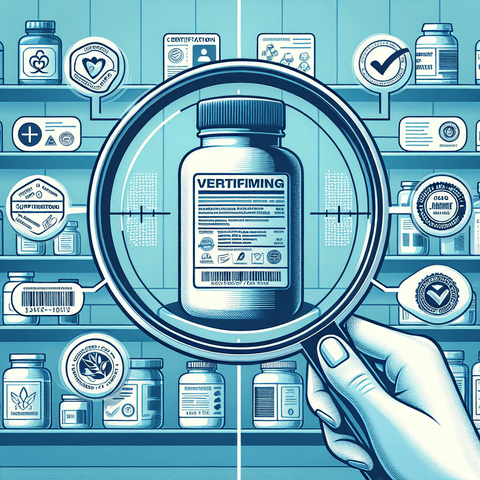
Counterfeit supplements are fake products designed to imitate legitimate vitamins, minerals, and herbal formulas, and they are increasingly found on online marketplaces and unverified websites. This guide explains how identifying counterfeit supplements works in practice, covering packaging red flags, seals, labels, batch numbers, and QR verification codes. You will also learn how fake products enter the supply chain, what health risks they pose, how to verify a product before buying, and what to do if you suspect you have already taken one. Because supplements are intended to support nutritional status, a fake product can quietly undermine the very goal you bought it for, making careful verification a genuinely useful skill for anyone who buys supplements online.
What Are Counterfeit Supplements and Why Identifying Counterfeit Supplements Matters
Defining counterfeit supplements vs. gray-market and expired products
Counterfeit supplements are products deliberately made to look like established brands while containing different, diluted, or entirely substituted ingredients. Gray-market products are genuine items sold through unauthorized channels, which may have been stored improperly or handled outside the manufacturer's distribution system. Expired products, by contrast, are real but past their labeled shelf life, with potentially reduced potency. These three categories carry different risks, but all three can leave you with less nutritional value than you expect.
How fake supplements enter the supply chain
Counterfeiters typically exploit gaps between the manufacturer and the end customer. Common routes include unauthorized resellers buying fake stock in bulk, diverted or tampered goods mixed into legitimate wholesale channels, and sellers on third-party marketplaces operating under shifting storefront names. Because the supplement supply chain involves multiple intermediaries, a single compromised link can introduce fake products that are visually difficult to distinguish from the original.
Why counterfeit supplements are a growing problem in online retail
E-commerce has made supplements more accessible, but it has also lowered the barrier for bad actors. Marketplace listings can be created quickly, brands' images and logos can be copied, and fulfillment can be handled by third parties with little oversight. Regulatory agencies including the FDA have repeatedly warned consumers about fake or adulterated supplements sold online, particularly in categories promising fast results. The growth of social commerce has accelerated the problem further.
How Counterfeit Supplements Can Harm Your Health and Wellbeing
Unknown or substituted ingredients and their physiological effects
The core danger of a counterfeit supplement is that you cannot know what is actually in it. Active ingredients may be replaced with cheap fillers such as rice flour, or in more serious cases with undeclared pharmaceutical compounds. This is especially concerning for products marketed for weight loss or performance, where stimulants or prescription drugs have been found in adulterated samples. Even incorrect dosing of a legitimate nutrient can matter, since some vitamins and minerals have established upper intake limits.
Contamination risks: heavy metals, bacteria, and undeclared pharmaceuticals
Counterfeit products are manufactured without quality controls, so they may carry contamination risks that regulated manufacturers screen for, including heavy metals such as lead, microbial contamination, and cross-contamination with allergens like gluten or soy. Undeclared pharmaceuticals are a documented problem in products sold for rapid weight loss, sexual enhancement, or bodybuilding. For someone with allergies, kidney disease, or who takes prescription medication, these contaminants can cause serious interactions or adverse effects.
Why fake products undermine nutritional support and health goals
Even when a fake supplement is not actively harmful, it can contain no meaningful active ingredient at all. Someone taking vitamin D for bone support, magnesium for muscle function, or omega-3s for heart health may believe they are covering a nutritional gap when they are not. This delay can matter, particularly for groups with higher needs such as pregnant women, older adults, or people with malabsorption conditions.
Common Warning Signs of Fake Supplements
Packaging red flags: broken seals, spelling errors, and poor print quality
Examine the packaging before anything else. Legitimate manufacturers invest in consistent printing, correct branding, and tamper-evident seals. Warning signs include:
- Broken or missing safety seals or a bottle that arrives pre-opened
- Spelling and grammar errors on the label, insert, or box
- Faded, blurry, or misaligned printing and off-brand colors or fonts
- Missing batch or lot number or absent expiration date
- Packaging that differs noticeably from photos on the official brand website
Pill and capsule warning signs: unusual color, odor, texture, or crumbling
Once opened, the product itself can reveal problems. Tablets that crumble easily, capsules that stick together or leak, an unusually strong or chemical odor, or a color and size inconsistent with previous purchases all warrant caution. A dramatically different taste or texture compared with a genuine product you have used before is also a signal worth taking seriously.
Price, seller, and availability signals that suggest a counterfeit
Deep discounts are one of the most reliable red flags. A well-known product offered at 70–80% below the standard retail price, sold by a seller with no history, or listed in bulk quantities of a discontinued product should raise suspicion. Counterfeiters use low prices to move volume quickly; genuine authorized retailers rarely deviate far from manufacturer-set pricing.
Warning signs after taking a supplement: when a reaction warrants attention
Pay attention to how your body responds. Unexpected side effects such as rapid heartbeat, jitteriness, headaches, digestive upset that is new for you, or effects that feel disproportionate to the labeled dose may indicate an adulterated or substituted product. Stop taking the supplement if this occurs and monitor your symptoms, seeking medical advice if effects are significant or persistent.
Risk Factors: Where and How Consumers Most Often Encounter Fake Supplements
Third-party marketplaces and unverified online sellers
Large marketplaces host both authorized sellers and anonymous resellers, and the two can be hard to tell apart. "Ships from and sold by" details, seller ratings, and how long a storefront has existed all provide clues. If the seller is a third party rather than the marketplace itself or the brand, verification becomes more important.
Social media ads, unlicensed websites, and too-good-to-be-true offers
Sponsored posts promoting miracle results, websites with no physical address or customer service contact, and pages asking for payment only by untraceable methods are characteristic of illegitimate operations. Legitimate supplement businesses provide real contact details, clear refund policies, and verifiable company information.
Products most frequently counterfeited: popular weight-loss, performance, and wellness supplements
Counterfeiters target high-demand categories. These historically include weight-loss products, sports and performance supplements, popular branded multivitamins, and trending wellness products that go viral. Fast-moving consumer demand and limited retail availability create the conditions in which fakes thrive.
How to Verify a Supplement Is Genuine Before You Buy
Checking manufacturer verification tools: batch codes, QR codes, and serial numbers
Many reputable brands now print batch codes, QR codes, or serial numbers on packaging that can be checked on the manufacturer's website or app. Scanning these codes can confirm authenticity and expiration data. If a code fails to verify, or the packaging has no code where the brand normally includes one, treat that as a significant warning sign and contact the manufacturer directly.
Researching brands, certifications, and third-party testing (USP, NSF, Informed Choice)
Third-party certification is one of the strongest available signals of product quality. Programs such as USP Verified, NSF Certified for Sport, and Informed Choice test products for identity, potency, and contamination. Certification does not make a supplement medically necessary, but it substantially reduces the risk that a product is counterfeit or mislabeled. Checking whether a brand publishes certificates of analysis is another useful step.
Buying direct from authorized retailers and brand websites
The simplest form of protection is to buy from the brand's own website or from retailers listed as authorized sellers by the manufacturer. When you buy through a known natural supplements retailer with direct manufacturer relationships, the chain of custody is shorter and accountability is clearer. This matters more than any single label feature, because authenticity ultimately depends on how a product was sourced.
What to Look for on a Legitimate Supplement Label
Supplement Facts panel: serving size, ingredient forms, and amounts
A compliant label lists a Supplement Facts panel with serving size, each nutrient's amount, and the specific chemical form used, such as magnesium citrate versus magnesium oxide. The form matters because nutrient bioavailability — how well your body absorbs and uses a nutrient — varies between chemical forms. Vague labeling that hides amounts or forms is a quality concern regardless of authenticity.
Quality indicators: cGMP manufacturing, lot numbers, expiration dates, and contact information
Legitimate supplements are produced under current Good Manufacturing Practice (cGMP) standards and carry a lot number, expiration date, manufacturer name, and contact information. These details allow traceability in the event of a recall. Their absence is a hallmark of both counterfeit and substandard products.
Red-flag label claims: "miracle cure," proprietary blends, and missing dosages
Be skeptical of labels promising to cure, reverse, or guarantee outcomes, as supplements legally cannot make disease-treatment claims. Proprietary blends that list a total dose but hide individual ingredient amounts make it impossible to assess whether doses are meaningful. Missing dosages, unrealistic claims, and absent disclaimers all suggest either a fake or a poorly manufactured product.
What to Do If You Suspect You've Taken a Counterfeit Supplement
Steps to take immediately: stop use and monitor symptoms
Stop taking the product as soon as you have concerns, keep the packaging and receipt, and note any symptoms along with when they began. Preserving the bottle, lot number, and seller information makes reporting and any medical evaluation far more effective. Do not simply throw the product away.
How to report fake supplements (FDA MedWatch and local authorities)
In the United States, adverse reactions and suspected counterfeit products can be reported through the FDA's MedWatch program, which collects safety data and can trigger enforcement action. In the EU, national food safety authorities handle similar reports. Reporting also protects other consumers, since counterfeit operations typically only face consequences after patterns of complaints accumulate.
When to contact a healthcare professional
Contact a doctor or poison control center promptly if you experience severe symptoms such as difficulty breathing, chest pain, significant dizziness, or a suspected allergic reaction. For milder but persistent symptoms, mention the suspected counterfeit specifically, since clinicians can only account for unknown ingredients if they know the product was questionable.
How to Choose Safe, High-Quality Supplements
Nutrient forms and bioavailability: why ingredient quality matters
Supplements differ meaningfully in the chemical form of their nutrients. For example, magnesium is available as oxide, citrate, and glycinate, with different absorption and tolerability profiles; similarly, vitamin D3 is generally preferred over D2 for maintaining blood levels. Research comparing some forms is stronger than for others, so avoid assuming any single form is universally best. A well-sourced guide to magnesium forms and their uses illustrates how much these differences can matter in practice.
Dosage, single-ingredient vs. combination formulas, and added ingredients
Check that the dose per serving aligns with recognized reference intakes rather than exceeding upper limits without reason. Single-ingredient products make it easier to adjust intake and identify tolerability issues; combination formulas can be convenient but may include doses or added ingredients you do not need. Fillers, sweeteners, and allergens deserve a look, especially if you have sensitivities.
Purity testing, certifications, and allergen considerations
Look for brands that disclose third-party testing, publish certificates of analysis, and clearly label allergens. Certifications such as USP or NSF provide independent verification that the contents match the label. For people with celiac disease, vegan requirements, or specific allergies, this documentation is not optional — it is central to safe selection.
Capsules, tablets, powders, and liquids: which format suits your needs
Format affects convenience and sometimes tolerability. Capsules are easy to swallow and often better for sensitive stomachs; tablets are cost-effective but harder to split; powders suit people who take larger doses or dislike swallowing pills; liquids may absorb more quickly but can be less stable and shorter-lived. Choose based on your routine and tolerance rather than assuming one format is superior.
Who Should Be Especially Careful About Supplement Sources
Higher-risk groups: pregnant women, children, older adults, and people on medication
Certain groups face higher stakes from counterfeit or substandard products. Pregnant women have elevated nutrient requirements but must avoid excessive doses of certain vitamins; children are more sensitive to dose errors; older adults often take medications that interact with nutrients; and people with kidney, liver, or gastrointestinal conditions may process supplements differently. For these groups, the cost of a fake product extends well beyond wasted money.
When professional guidance and testing should come first
Symptoms alone cannot confirm a nutritional deficiency, and guessing at supplement needs can lead to unnecessary or excessive intake. For nutrients where validated testing exists — such as vitamin D, iron status, or vitamin B12 — a blood test provides far more useful information than trial and error. Consulting a qualified healthcare professional before starting supplements is particularly sensible if you take medication, manage a chronic condition, or are pregnant.
Diet First, Supplements Second: Getting Nutrients From Food Where Possible
Why whole-food nutrition reduces reliance on supplements
For most people with varied diets, food supplies the majority of required nutrients in forms the body handles well, alongside fiber and phytochemicals that supplements do not replicate. Vitamin C from citrus and peppers, magnesium from nuts, seeds, and leafy greens, omega-3s from oily fish, and calcium from dairy or fortified plant foods all illustrate how dietary patterns can cover common needs. Building meals around whole foods reduces both your reliance on supplements and your exposure to supply-chain risk.
When supplementation is a reasonable addition to a healthy diet
Supplements become genuinely useful when intake, absorption, or requirements make diet alone insufficient. Common examples include vitamin D during winter months with limited sun exposure, vitamin B12 for people following vegan diets, iron for some women with heavy menstrual bleeding, and folic acid in pregnancy as advised by healthcare providers. In these situations, the quality and authenticity of the product matter, because the supplement is doing real nutritional work. Reviewing resources such as a vitamin D guide covering sources and safety can help you understand where supplementation fits your situation.
Decision Guide: Is Your Supplement Safe, and Is It the Right One for You?
A quick checklist for verifying any supplement before purchase
- Source check: Is the seller an authorized retailer or the brand itself?
- Price check: Is the discount implausibly large compared with standard retail?
- Packaging check: Are seals intact, printing clean, and branding consistent with the official site?
- Label check: Are lot number, expiration date, full ingredient forms, and contact details present?
- Verification check: Does any QR code, batch code, or serial number validate on the manufacturer's site?
- Quality check: Is there third-party testing or certification such as USP or NSF?
- Need check: Has your actual requirement for this nutrient been established through diet review or testing?
Balancing price, quality, and trust when comparing products
The cheapest option is rarely the best value when it comes to supplements, but neither is the most expensive. A reasonable approach is to compare products on verified quality indicators — ingredient form, dose, certification, and manufacturer reputation — and treat price as a secondary factor. Consistency and traceability from a trusted seller protect both your health and your investment more than marginal savings do.
Key Takeaways
- Counterfeit supplements imitate legitimate brands but may contain substituted, diluted, or absent active ingredients.
- Key packaging red flags include broken seals, spelling errors, missing lot numbers, and poor print quality.
- Deep discounts, anonymous third-party sellers, and unverified websites are the most common routes to fake products.
- Batch codes, QR codes, and serial numbers can often be verified directly with the manufacturer.
- Third-party certifications such as USP, NSF, and Informed Choice substantially reduce counterfeit risk.
- Buying from authorized retailers shortens the supply chain and improves accountability.
- Adulterated products may contain undeclared pharmaceuticals, heavy metals, or allergens.
- If you suspect a fake, stop use, keep the packaging, and report it via FDA MedWatch or your national authority.
- Symptoms alone cannot confirm nutrient status; testing and professional advice are more reliable.
- Diet should generally come first, with supplements reserved for gaps that food intake cannot reasonably cover.
Frequently Asked Questions
What are the most obvious signs of a counterfeit supplement?
The clearest signs are broken or missing safety seals, spelling errors on the label, blurry or misaligned printing, and a missing lot number or expiration date. A price far below standard retail and a seller with no verifiable history are equally strong signals. Comparing the packaging to photos on the official brand website often reveals differences quickly.
Can counterfeit supplements make you sick?
Yes. Fake products may contain undeclared stimulants or pharmaceuticals, heavy metals, bacterial contamination, or allergens not listed on the label. Even when inactive, they can harm indirectly by leaving a genuine nutritional gap untreated. Reactions such as unexpected jitteriness, headaches, or digestive upset after taking a supplement warrant stopping use.
How can I check if a supplement's batch number is real?
Many brands provide a verification tool on their website or app where you can enter or scan the batch code, QR code, or serial number. If the code validates, it confirms the product's authenticity and production details. If no tool exists, contact the manufacturer directly with the lot number printed on the bottle.
Are supplements sold on large online marketplaces safe?
They can be, but risk depends heavily on the seller. Products shipped and sold by the marketplace itself or by authorized retailers are generally lower risk than those from anonymous third-party storefronts. Check seller history, reviews, and whether the brand lists the seller as authorized.
What should I do if I already took a fake supplement?
Stop using it immediately, keep the packaging and receipt, and monitor yourself for unusual symptoms. Report the product through FDA MedWatch or your national food safety authority. Seek medical attention promptly for severe or persistent reactions, and mention that the product may have been counterfeit.
Which types of supplements are counterfeited most often?
High-demand categories are targeted most frequently, including weight-loss products, sports and performance supplements, popular branded multivitamins, and trending wellness products. Products promising rapid results are especially vulnerable because demand spikes create supply gaps that counterfeiters exploit.
Does third-party testing guarantee a supplement is genuine?
Third-party testing does not make counterfeiting impossible, but it is one of the strongest available quality signals. Programs such as USP Verified and NSF test for ingredient identity, potency, and contamination. A certified product sold through an authorized channel carries far lower risk than an uncertified one from an unknown seller.
Can expired supplements still be effective?
Expired supplements are not the same as counterfeits — they are genuine products past their labeled shelf life. Potency of some vitamins, particularly water-soluble ones, may decline over time. They are generally less dangerous than fakes but less reliable than in-date products, and expiration dates exist for a reason.
How much cheaper than retail should make me suspicious?
Discounts of 30–40% from an authorized seller during genuine promotions are plausible. Discounts of 70% or more on a well-known product, especially from an unfamiliar seller, are a classic counterfeit signal. Exceptional consistency of very low prices across many products is also suspicious.
Is it safe to buy supplements from social media ads?
Be cautious. Many illegitimate sellers use social media ads precisely because they bypass retail quality controls. Before buying, verify that the website has real contact details, a physical address, clear refund policies, and recognizable third-party certification.
Do counterfeit supplements always look different from real ones?
No. High-quality counterfeits can closely imitate packaging, and visual inspection alone is not always sufficient. That is why manufacturer verification tools, seller reputation, and purchase channel matter as much as appearance.
How do I choose a safe supplement if I need one?
Start by confirming the nutrient and dose are appropriate for your situation, ideally with testing or professional guidance. Then choose a product with clear labeling of ingredient forms and amounts, third-party certification, a lot number and expiration date, and an authorized retailer. For example, exploring a multivitamin guide covering ingredients and safety can help you compare options on quality rather than price alone.
Final Thoughts: Protecting Your Health Through Informed Supplement Choices
Counterfeit supplements exploit the same trust that makes legitimate nutrition products valuable, so protecting yourself comes down to verification at every step: scrutinize the seller, examine the packaging, use manufacturer verification codes, and favor products with independent certification. Remember that nutritional needs differ widely between individuals based on age, diet, health status, and lifestyle, and that a supplement — genuine or not — only helps when a real need exists. Prioritize a varied, nutrient-rich diet first, use testing and professional advice to clarify your actual needs, and when you do buy a supplement, treat product authenticity and quality as non-negotiable. Informed, careful choices are the most effective protection against fake products and the most reliable path to supplements that genuinely support your health.
Related Keywords
- identifying counterfeit supplements
- how to spot fake supplements
- fake supplement warning signs
- supplement safety and authenticity
- verify supplement batch number
- counterfeit vitamins online
- third-party tested supplements
- USP NSF certified supplements
- supplement label red flags
- adulterated supplements health risks
- how to report fake supplements FDA
- buying supplements safely online
- supplement quality and bioavailability
- authorized supplement retailers