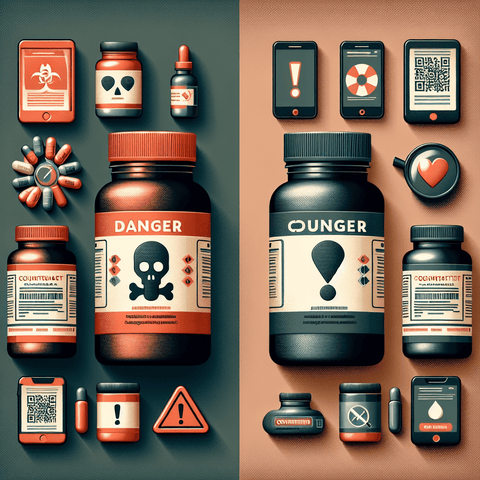
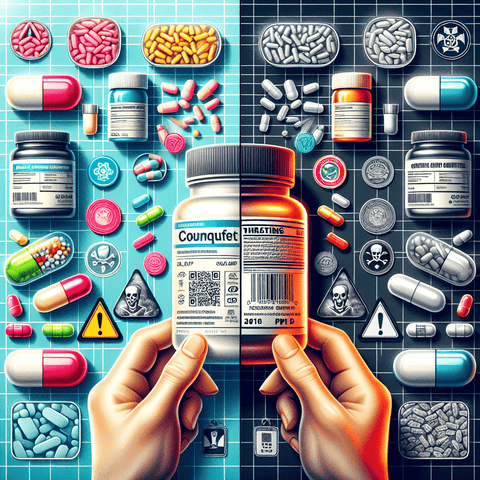
Identifying fake supplements is an essential skill for anyone who uses vitamins, minerals, or other nutritional products, because counterfeit products can contain too little of the advertised ingredient, the wrong ingredient entirely, or harmful contaminants. This article explains what fake supplements are, why they pose a risk to your health, and how to spot counterfeit products quickly through packaging, pricing, product appearance, and seller credibility. You will also learn how to verify certifications, read labels like an expert, and make informed, confident decisions before you buy any supplement.
Introduction: Why Identifying Fake Supplements Matters for Your Health
Supplements are taken to support nutritional status, not to compromise it. Yet counterfeit and adulterated products circulate widely, particularly in online marketplaces where oversight is limited. A fake product may contain only fillers, an underdosed active ingredient, or in the worst cases, undisclosed pharmaceutical compounds that can cause genuine harm.
The consequences go beyond wasted money. People rely on supplements for reasons such as low vitamin D in winter, restricted diets, or increased needs during pregnancy. If the product is counterfeit, the expected nutritional support simply does not arrive, and health gaps may quietly widen. Learning to spot counterfeits protects both your wallet and your wellbeing.
What Are Fake Supplements? Definition and Common Types of Counterfeits
The term "fake supplement" covers several distinct problems. Understanding the differences helps you recognize each type and judge risk more accurately.
Counterfeit Products vs. Substandard vs. Adulterated Supplements
Counterfeit supplements are deliberately imitated products designed to look like a legitimate brand while containing something different. The packaging may be copied, but the contents are not what the label claims.
Substandard supplements are genuine products that fail quality specifications, often due to poor manufacturing. They may contain inconsistent doses, degraded ingredients, or contamination from heavy metals or microbes.
Adulterated supplements contain undeclared substances added intentionally. This is most common in products marketed for weight loss, muscle building, and sexual health, where illegal pharmaceutical ingredients are sometimes mixed in to create noticeable effects. Adulteration carries the highest immediate health risk because consumers have no way of knowing what they are actually taking.
Which Supplement Categories Are Most Commonly Counterfeited
Counterfeiters follow demand and price margins. Products most frequently targeted include:
- Weight-loss supplements, sometimes found to contain undisclosed stimulants or prescription drugs
- Muscle-building and sports supplements, including popular protein powders and pre-workout formulas
- Sexual health and "performance" products, where adulteration with prescription medications is well documented
- High-demand vitamins such as vitamin D, multivitamins, and popular branded products sold at steep discounts
Well-known, trusted brands are counterfeited precisely because their reputation drives sales. A famous logo is not a guarantee unless the product comes from a verified source.
Why Fake Supplements Are a Real Risk to Health and Wellbeing
What Happens When a Product Contains Too Little, Too Much, or the Wrong Ingredient
A counterfeit capsule might contain almost no active ingredient, meaning you receive a placebo while believing you are addressing a nutritional gap. Alternatively, it may contain far more than the label states. Excessive doses matter: fat-soluble vitamins such as A, D, E, and K accumulate in the body, and minerals like iron and selenium have established upper intake limits that should not be exceeded.
The most dangerous scenario is the wrong ingredient altogether. Products adulterated with pharmaceutical compounds can interact with medications, strain the liver or kidneys, or cause dangerous cardiovascular effects, especially in people with underlying conditions.
How Counterfeits Undermine Trust in Legitimate Nutrition Support
Fake products damage more than individual health. When a counterfeit causes side effects, the legitimate brand is often blamed, and consumers may wrongly conclude that all supplements are unsafe or ineffective. This erosion of trust affects people who genuinely benefit from well-manufactured products, such as those with diagnosed deficiencies or increased requirements during specific life stages.
10 Warning Signs of Fake Supplements: How to Spot Counterfeits Quickly
Packaging Red Flags: Seals, Print Quality, Spelling Errors, and Batch Numbers
Examine the physical product carefully before use:
- Broken or missing safety seals, or seals that do not match the manufacturer's usual design
- Blurry printing, faded colors, or misaligned labels that suggest cheap reproduction
- Spelling and grammar errors on the label, which legitimate brands rarely allow
- Missing batch number, lot code, or expiry date, all of which are legally required on legitimate products
- Packaging that differs from the same product purchased previously, in color, font, or bottle shape
Price and Source Red Flags: Deals That Are Too Good to Be True
Authentic supplements have real manufacturing costs. A premium product offered at 60–80% below the normal retail price from an unknown seller should raise immediate suspicion. Bulk listings, "factory seconds" claims, and newly created seller accounts with no history are additional warning signs. Discounts from authorized retailers during genuine sales are normal; implausible everyday bargains usually are not.
Product Red Flags: Unusual Taste, Smell, Color, Texture, or Dissolution
Once opened, trust your senses. Tablets that crumble excessively, capsules that stick together or smell rancid, powders that clump abnormally, or a color and taste noticeably different from previous purchases all suggest a problem. Supplements that fail to dissolve as expected may contain mostly filler. Note that some natural variation between batches is normal, so a single difference is a prompt for caution rather than proof of a fake.
Online Seller Red Flags: Marketplaces, Third-Party Sellers, and Missing Contact Details
Online marketplaces mixing inventory from multiple sellers create opportunities for counterfeits to enter the supply chain. Be cautious when:
- The seller is a third party with no verifiable business address or customer service contact
- Product reviews mention inconsistencies, missing seals, or suspected fakes
- The website lacks a physical address, terms of service, or refund policy
- The product ships from a country outside the brand's normal distribution network
Common Causes and Contributing Factors Behind the Fake Supplement Trade
High-Demand Products, Supply Chain Gaps, and Loopholes in Online Sales
Counterfeiting thrives where demand is high and verification is difficult. Complex distribution chains with multiple intermediaries create gaps where fake products can be introduced. Online platforms that allow third-party sellers to list alongside official inventory can result in "co-mingled" stock, where authentic and counterfeit units are stored together and indistinguishable at the point of purchase.
Why Weight-Loss, Muscle-Building, and Sexual Health Products Are Frequent Targets
These categories promise visible, fast results, attracting buyers who may overlook quality signals. Adulteration in these categories is often intentional rather than accidental: adding an active pharmaceutical ingredient creates an effect the customer notices, encouraging repeat purchases while exposing them to serious, undisclosed risks.
How to Verify a Supplement Is Genuine Before You Buy
Checking Certifications: GMP, Third-Party Testing, USP, NSF, and Informed Choice
Legitimate manufacturers invest in quality assurance. Look for:
- GMP (Good Manufacturing Practice) compliance, indicating standardized production and quality control
- Third-party testing by independent laboratories verifying ingredient identity and dose
- Certification marks such as USP Verified or NSF Certified, which confirm the product meets published standards
- Informed Choice or Informed Sport certification for sports supplements, confirming testing for banned substances
Brands that publish certificates of analysis or explain their quality processes openly provide an additional layer of reassurance. When browsing ranges such as natural supplements from established brands, prioritizing verified manufacturing standards is a sensible habit.
Using Manufacturer Verification Tools: Batch Codes, QR Codes, and Serial Numbers
Many major brands now offer authenticity verification directly. Common tools include QR codes on packaging that link to a verification page, scratch-off serial numbers you can check on the manufacturer's website, and batch codes that can be matched against production records. If a code fails verification or has already been checked by someone else, do not use the product and contact the seller and manufacturer.
Vetting Retailers: Authorized Sellers vs. Unknown Online Stores
The safest approach is purchasing directly from the brand or from retailers listed as authorized sellers on the manufacturer's website. Established retailers with transparent business details, real customer service, and clear return policies carry lower risk than anonymous online stores. When a suspicious listing is found, report it to the platform and the brand.
How to Read a Supplement Label Like an Expert
Understanding the Supplement Facts Panel, Serving Sizes, and Ingredient Forms
The Supplement Facts panel lists each nutrient, the amount per serving, and the chemical form used. The form matters: for example, magnesium appears as oxide, citrate, and glycinate, which differ in absorption and digestive tolerability. A label that simply says "magnesium 500 mg" without specifying the compound is itself a quality signal worth questioning.
Proprietary Blends, Filler Ingredients, and Added Ingredients to Question
Proprietary blends list multiple ingredients under a single total weight without disclosing individual amounts. This makes it impossible to know whether doses match those used in research. Long lists of fillers, artificial colors, and unnecessary additives are not automatically harmful, but they offer no nutritional benefit and can hide a low-quality formula.
Allergen Statements, Expiry Dates, and Lot Information
A complete label includes allergen declarations (such as milk, soy, gluten, or shellfish), a clear expiry date, and a lot or batch number. Missing expiry dates are a red flag for both authenticity and safety, as degraded ingredients may lose potency or, in the case of oils, become rancid. For guidance on evaluating complete formulas, a well-structured multivitamin guide covering ingredients and safety can help you compare products systematically.
Why Nutrient Forms, Dosage, and Bioavailability Matter When Comparing Products
Different Forms of the Same Nutrient: What Changes in Absorption
Bioavailability, the proportion of a nutrient your body can actually absorb and use, varies by chemical form. Vitamin D3 (cholecalciferol) is generally more effective at raising blood levels than D2 (ergocalciferol). Magnesium citrate and glycinate are typically absorbed better than magnesium oxide. Vitamin C as a plain ascorbic acid and as buffered forms differ mainly in digestive tolerability at higher intakes. No single form is universally best; the right choice depends on your needs and tolerance.
Capsules, Tablets, Powders, and Liquids: Practical Differences That Affect Quality
- Capsules dissolve readily and often mask unpleasant tastes, but hold smaller amounts
- Tablets allow higher doses at lower cost, but quality depends on good disintegration
- Powders suit larger servings such as protein or creatine, but require accurate measuring and proper storage
- Liquids may be easier to swallow and dose flexibly, though some nutrients are less stable in solution
Combination Products vs. Single Ingredients: Which Suits Your Needs
Single-ingredient products make it easier to match a dose to an identified need, such as vitamin D during winter months. Combination formulas, explored in more detail in this vitamin D benefits, sources, and safety guide, can be convenient but make it harder to adjust individual nutrient amounts and increase the chance of exceeding upper limits when combined with other products.
Individual Variability: Why Your Supplement Needs Differ from Others
How Diet, Age, Lifestyle, Health Status, and Absorption Affect Nutrient Requirements
Nutritional requirements are not uniform. Age changes needs, with older adults often absorbing vitamin B12 less efficiently. Pregnancy and breastfeeding raise requirements for folate, iron, and iodine. Vegan diets may warrant attention to B12, iron, zinc, and omega-3 intake. Gastrointestinal conditions, certain medications such as proton pump inhibitors or metformin, smoking, alcohol consumption, and limited sun exposure all influence nutrient status. Even genetics can affect how efficiently the body converts or absorbs specific compounds.
Why One Popular Product Is Not Automatically Right for You
A supplement that works well for a friend or influencer may be unnecessary, redundant, or unsuitable for you. Taking high doses of a nutrient you already obtain adequately from food provides no added benefit and may push intake above safe limits. Matching products to your actual circumstances, rather than to trends, is a core principle of responsible supplementation.
Food First: Dietary and Lifestyle Strategies Before Turning to Supplements
Building a Nutrient-Dense Diet That Reduces Your Reliance on Supplements
For most nutrients, a varied diet is the most reliable foundation. Oily fish provides omega-3 fatty acids; leafy greens supply folate, vitamin K, and magnesium; dairy and fortified foods contribute calcium and vitamin D; nuts, seeds, and legumes offer minerals and vitamin E; colorful fruits and vegetables deliver vitamin C and antioxidant compounds. Nutrients from food arrive alongside fiber and cofactors that support absorption, and food sources rarely cause excessive intakes.
Lifestyle Habits That Support Nutrient Status: Sleep, Activity, and Alcohol Intake
Nutritional status reflects lifestyle, not just intake. Adequate sun exposure influences vitamin D production. Regular physical activity supports muscle mass and metabolic health in ways supplements cannot replicate. Limiting alcohol improves absorption and utilization of B vitamins and zinc, while not smoking preserves vitamin C status. Prioritizing sleep and stress management supports overall health more broadly than any single product can.
When Supplementation May Be Relevant: Evidence-Aligned Circumstances
Situations Where Diet Alone May Fall Short: Restricted Diets, Life Stages, and Absorption Issues
Supplementation becomes genuinely relevant in specific circumstances:
- Vegan or highly restricted diets, where vitamin B12, and sometimes iron, zinc, iodine, and omega-3 intake may be low
- Pregnancy and breastfeeding, when requirements for folate, iron, iodine, and vitamin D increase
- Older age, where reduced B12 absorption and limited sun exposure may matter
- Limited sunlight, particularly at northern latitudes during winter, when vitamin D synthesis drops
- Malabsorption conditions or relevant medications, where a healthcare professional may identify specific gaps
Nutritional Support vs. Treating a Diagnosed Condition: Knowing the Difference
Supplements support nutritional status; they are not medicines and cannot diagnose, treat, or cure disease. Any product or seller claiming a supplement cures a condition is violating regulations, and that claim itself is a strong counterfeit and quality red flag. Nutritional support may complement medical care, but it should never replace it.
When Blood Testing and Professional Assessment Make Sense
Symptoms such as fatigue, hair changes, or low mood are nonspecific and cannot confirm a deficiency. For nutrients with validated testing, such as vitamin D, B12, folate, ferritin, and thyroid-related markers, a blood test through a healthcare provider offers far more useful information than guessing. Testing is particularly worthwhile before high-dose supplementation of fat-soluble vitamins or minerals like iron, which can accumulate to harmful levels.
Choosing a High-Quality Supplement You Can Trust
Purity, Quality, and Manufacturing Standards: Questions to Ask Any Brand
Before purchasing, reasonable questions include: Is the product manufactured under GMP? Is it third-party tested? Are ingredient forms and doses fully disclosed? Is the company contactable, with a real address and responsive customer service? Does the brand explain its sourcing and quality control? Brands with transparent mineral and mineral formulations covering iron, zinc, selenium, and iodine that disclose forms and amounts make this evaluation much easier.
Matching Product Selection to Your Goals, Budget, and Dietary Preferences
Quality comes first, but practical fit matters too. Check that the form suits your dietary preferences, for example vegetarian capsules rather than gelatin, and that the dose aligns with your needs rather than simply the highest number on the shelf. A moderately dosed, well-manufactured product taken consistently usually serves you better than a mega-dose product of uncertain origin.
Safety, Interactions, and When to Seek Professional Advice
Upper Intake Limits, Medication Interactions, and Pregnancy Considerations
Nutrients have tolerable upper intake levels established by scientific bodies. Vitamin A in high doses is a concern in pregnancy and over time can affect liver and bone health. Vitamin K can interfere with anticoagulant medications such as warfarin. High-dose vitamin C, calcium, and magnesium can cause digestive side effects, and excess mineral intake can burden the kidneys in susceptible individuals. Always disclose supplements to your doctor or pharmacist, especially before surgery, during pregnancy or breastfeeding, and when starting new medications.
What to Do If You Suspect You Have Taken a Fake or Adulterated Product
If you experience unexpected or severe symptoms after taking a supplement, stop using it immediately and seek medical advice, bringing the packaging with you. Report the product to the seller, the platform, and your national medicines or food safety authority so the batch can be investigated. Keep the product and receipt, as these may be needed for refunds and official recalls.
Real vs. Fake Supplements: Decision Checklist Before You Buy
Your Pre-Purchase Verification Checklist
- Buy from the brand directly or an authorized retailer
- Confirm intact safety seals and undamaged packaging
- Check for batch number, lot code, and expiry date
- Look for GMP compliance and third-party certification marks
- Scrutinize the label: full ingredient disclosure, no suspicious claims, no spelling errors
- Question prices far below normal retail from unknown sellers
- Use any manufacturer verification tools such as QR or serial codes
- Compare appearance, smell, and taste against previous authentic purchases
Food, Lifestyle, or Supplement: Making the Right Call for Your Situation
Start with your diet: can the nutrient be obtained or increased through food? If yes, dietary change is usually the first step. If intake is genuinely difficult, for example vitamin D in winter or B12 on a vegan diet, supplementation may be worth considering at appropriate doses. If you are unsure of your status, or considering high doses, testing and professional advice are more reliable than guesswork.
Conclusion: Protecting Your Health Through Informed, Confident Choices
Identifying fake supplements comes down to a consistent habit of verification: examine the packaging, question unusual prices, buy from trusted sources, check certifications, and read labels critically. Just as importantly, remember that nutritional needs are individual. Food and lifestyle come first, supplementation has a legitimate role in specific circumstances, and testing or professional guidance is the soundest path when you are uncertain. By combining these habits, you protect yourself from counterfeits and give genuinely high-quality products the chance to support your health as intended.
Key Takeaways
- Fake supplements include counterfeits, substandard products, and adulterated formulas, with adulteration posing the highest immediate health risk
- Weight-loss, muscle-building, and sexual health products are the most frequently counterfeited and adulterated categories
- Key warning signs include broken seals, spelling errors, missing batch numbers, implausible prices, and anonymous online sellers
- GMP compliance, third-party testing, and certification marks such as USP, NSF, and Informed Choice indicate higher product quality
- Manufacturer verification tools like QR codes and serial numbers can confirm authenticity before use
- Reading labels critically, including nutrient forms and avoiding undisclosed proprietary blends, helps distinguish quality products
- Nutrient requirements vary by age, diet, pregnancy, medications, absorption, and lifestyle, so popular products are not right for everyone
- Food and lifestyle come first; supplementation is most relevant for restricted diets, specific life stages, and confirmed or likely gaps
- Symptoms alone cannot confirm a deficiency; blood testing and professional advice are more reliable before high-dose supplementation
- If you suspect a counterfeit, stop taking it, keep the packaging, seek medical advice if symptoms occur, and report the product
Frequently Asked Questions
How can I tell if a supplement is fake?
Check the packaging for intact safety seals, correct spelling, clear printing, and a batch number with an expiry date. Compare the price and seller against the brand's official channels, and use any QR code or serial number verification the manufacturer offers. Unusual taste, color, or texture after opening is another warning sign.
Are supplements sold on online marketplaces safe?
They can be, but risk is higher when third-party sellers mix inventory with official stock. Buying directly from the brand or an authorized retailer significantly reduces the chance of receiving a counterfeit. Always check seller reviews, business details, and return policies before purchasing.
What is an adulterated supplement?
An adulterated supplement contains undeclared substances, most often pharmaceutical drugs or unapproved stimulants added intentionally to create noticeable effects. These products are illegal and can cause serious side effects or dangerous interactions with medications. Weight-loss and sexual health products are the most commonly adulterated categories.
Does a higher price guarantee a genuine supplement?
No. Price alone does not guarantee authenticity or quality. However, prices dramatically below normal retail are a classic counterfeit warning sign. Judge products by manufacturing standards, third-party testing, and seller credibility rather than price alone.
What do GMP and third-party testing mean on a supplement label?
GMP (Good Manufacturing Practice) indicates the product was made under standardized quality-control conditions. Third-party testing means an independent laboratory verified the product's ingredients and amounts, reducing the risk of contamination or underdosing. Certification marks like USP or NSF provide external confirmation of these standards.
Can fake supplements be dangerous?
Yes. A counterfeit may contain too little active ingredient, excessive doses, or harmful undeclared substances that can affect the liver, kidneys, or cardiovascular system. Risks are highest with adulterated products and when fake products interact with medications.
What should I do if I already took a suspected fake supplement?
Stop using the product immediately and keep the packaging for identification. If you experience any unusual or severe symptoms, seek medical advice promptly and mention what you took. Report the product to the seller, the platform, and your national safety authority.
Why is a missing batch number a red flag?
Batch and lot numbers allow manufacturers to trace production and manage recalls, and they are required on legitimate products. Their absence suggests the product bypassed normal manufacturing and distribution controls, which is common with counterfeits.
Are expensive branded supplements always better than generic ones?
Not necessarily. Quality depends on manufacturing standards, ingredient forms, dose transparency, and testing, not brand recognition alone. Some generic products meet the same standards as premium brands, while famous brands are unfortunately the most counterfeited.
How can I check whether a supplement brand is legitimate?
Look for a verifiable business address, GMP manufacturing information, third-party test results or certificates of analysis, and realistic product claims. Brands that avoid disease-cure claims and disclose full ingredient amounts generally demonstrate greater regulatory compliance and transparency.
Is it safe to buy supplements from social media sellers?
Caution is warranted. Social media sellers are often unregulated, may have no verifiable business identity, and are a common channel for counterfeit and adulterated products. Purchasing through official brand channels or authorized retailers is considerably safer.
Can I rely on the ingredient list to know what is in the product?
Only if the product is genuine and well manufactured. On counterfeit or substandard products, labels can be inaccurate or incomplete. Third-party testing and certification marks provide independent confirmation that the label reflects the actual contents.
Related Keywords
- identifying fake supplements
- how to spot counterfeit supplements
- fake vs real vitamins
- supplement safety and quality
- adulterated supplements
- third-party tested supplements
- GMP certified supplements
- supplement label reading guide
- supplement batch number verification
- buying supplements online safely
- supplement red flags
- supplement certifications USP NSF
- bioavailability of supplement forms
- counterfeit weight loss supplements