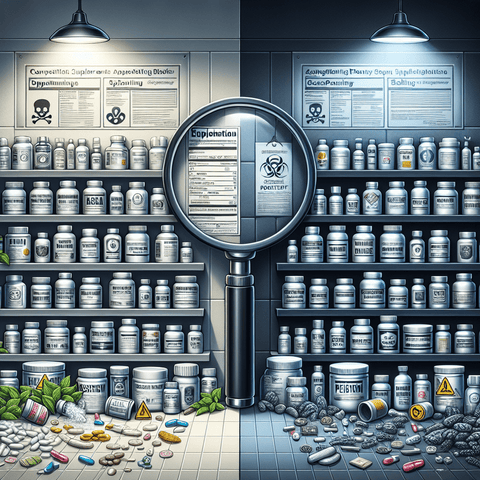
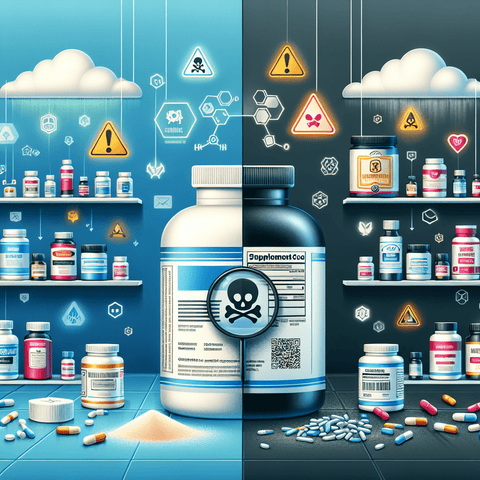
Identifying fake vitamins is an essential skill for anyone who uses dietary supplements, because counterfeit products can look convincing while containing little or none of the nutrients listed on the label. This article explains what fake vitamins are, the health risks they pose, and the practical warning signs to watch for, from packaging errors to suspicious pricing. You will also learn how to verify a brand's legitimacy, read a supplement label critically, buy safely online, and recognize when professional testing or guidance is a better starting point than guessing about your nutritional needs.
What Are Fake Vitamins? Understanding Counterfeit Supplements
Defining counterfeit and adulterated vitamin products
Counterfeit vitamins are products deliberately designed to imitate legitimate supplements, often copying brand names, packaging, and logos while containing substitute ingredients, incorrect doses, or inert fillers. Adulterated supplements may contain real ingredients but also undisclosed substances, contaminants, or amounts that differ from what the label states. Both categories misrepresent what the product actually contains.
How fake vitamins differ from low-quality or degraded supplements
Not every disappointing supplement is counterfeit. A genuine product from a registered manufacturer may still be poorly formulated, use less bioavailable nutrient forms, or lose potency as it approaches its expiry date. Counterfeits, by contrast, involve intentional deception about identity or content. Understanding this distinction helps you evaluate whether a problem lies with authenticity, manufacturing quality, or simply formulation choices.
Why counterfeit supplements are a growing problem in the market
The supplement industry is large, global, and increasingly sold through online channels, which makes it attractive to counterfeiters. High-demand products such as multivitamins, vitamin D, and popular sports supplements are frequent targets. Cross-border shipping, third-party marketplace sellers, and complex distribution chains create opportunities for fake goods to enter the supply before reaching consumers.
Why Identifying Fake Vitamins Matters for Your Health
Health risks of taking counterfeit or mislabeled supplements
Counterfeit products may contain undeclared pharmaceutical ingredients, heavy metals, or unsanitary fillers, all of which can cause harm. Inaccurate doses also create risk: too little provides no benefit, while unexpectedly high amounts of certain nutrients, such as vitamin A or iron, can exceed safe upper intake levels. People taking medications face additional concerns if a fake product interacts unexpectedly with their treatment.
Missing nutrients: the hidden cost of ineffective products
Someone relying on a counterfeit vitamin D or B12 supplement may believe they are addressing a low intake while receiving little or no active nutrient. This silent failure can allow a genuine insufficiency to persist, particularly in people with limited sun exposure, restrictive diets, or increased requirements during pregnancy or older age.
How fake vitamins undermine genuine nutritional support
Beyond individual health, counterfeit products erode trust in supplementation as a whole. When a product fails, consumers may wrongly conclude that all supplements are useless, or conversely, that they need ever-higher doses. Both responses are unhelpful. Authentic products, used appropriately and where diet alone is insufficient, are the basis of meaningful nutritional support.
Common Warning Signs of Fake Vitamins
Packaging red flags: spelling errors, broken seals, and poor print quality
Legitimate manufacturers maintain strict quality control over packaging. Blurred printing, misaligned labels, spelling mistakes, missing batch numbers, damaged or re-glued seals, and flimsy containers all suggest tampering or imitation. Compare unfamiliar packaging with images on the manufacturer's official website whenever possible.
Price signals: when a deal is too good to be true
Authentic supplements have real production, testing, and packaging costs. Prices dramatically below the standard retail range, especially from unfamiliar sellers, are one of the most reliable warning signs of counterfeits. Modest discounts from authorized retailers are normal; extreme bargains usually are not.
Unusual taste, smell, texture, or appearance of tablets and capsules
Capsules that stick together, tablets that crumble, off-putting odors, unusual discoloration, or a dramatically different taste compared with previous purchases may indicate degradation or a fake product. While some variation is possible between batches, significant differences warrant caution.
Missing or suspicious label information
A legitimate supplement label should include a supplement facts panel, full ingredient list, net quantity, manufacturer or distributor details, batch number, and expiry date. Missing or vague information, unverifiable contact details, or claims of miracle results are all indicators to investigate further before use.
Where Fake Vitamins Come From: Risk Factors and Sources
Unverified online marketplaces and third-party sellers
Large marketplaces hosting many independent sellers are common routes for counterfeit goods. A product listing may appear under a trusted brand name while the actual seller is unknown. Check who fulfills and ships the product, read seller reviews, and prefer listings sold and shipped by the brand or an authorized retailer.
Unlicensed sellers, social media sales, and informal channels
Supplements sold through social media accounts, private messaging, unregistered websites, or informal resellers offer little recourse if something goes wrong. These channels typically lack accountability, verifiable addresses, and quality assurance processes, making them disproportionately represented in counterfeit cases.
Why supply chain complexity increases counterfeit risk
A supplement may pass through manufacturers, distributors, importers, wholesalers, and retailers before reaching you. Each step is an opportunity for substitution or improper storage, such as exposure to heat and humidity that accelerates nutrient degradation. Shorter, more transparent supply chains are generally easier to verify.
How to Verify If a Vitamin Brand Is Legitimate
Checking batch numbers, expiry dates, and manufacturer registration
Every authentic product should carry a legible batch number and expiry date printed on the packaging, not just the outer box. Some brands offer batch verification tools on their websites. Confirm that the manufacturer is a registered business with a physical address and functioning customer service.
Third-party testing, certifications, and quality seals to look for
Independent verification adds a meaningful layer of assurance. Look for indications of GMP (Good Manufacturing Practice) compliance and third-party laboratory testing that confirms identity, potency, and purity. Reputable brands often publish certificates of analysis or explain their testing protocols openly. When comparing options, established retailers such as natural supplement collections from verified brands can simplify the process of sourcing tested products.
How to research a brand's reputation and manufacturing practices
Search for the brand name alongside terms like "review," "complaint," or "recall." Check whether the company has been subject to regulatory warnings. Brands that explain their sourcing, manufacturing location, and quality control in detail are generally more trustworthy than those offering vague marketing language.
Choosing Authentic, High-Quality Supplements: What to Compare
Ingredient forms and bioavailability: why not all vitamins are equal
Nutrients exist in different chemical forms with different absorption characteristics. Magnesium, for example, is available as oxide, citrate, and glycinate, with meaningful differences in how well each is absorbed and tolerated. Vitamin D3 is generally preferred over D2 for maintaining blood levels. Once authenticity is established, form and bioavailability are among the most important quality distinctions.
Dosage, serving size, and nutrient combinations
Compare the amount of each nutrient per serving against recognized reference intakes and upper limits. More is not inherently better; excessively high doses of fat-soluble vitamins or minerals can be harmful over time. Combination products should use sensible ratios, as some nutrients compete for absorption while others work synergistically.
Capsules, tablets, powders, and liquids: practical differences
Form affects convenience, stability, and tolerability. Tablets are compact and shelf-stable but may be harder to swallow; capsules often dissolve readily and can suit people avoiding binders; powders allow flexible dosing; liquids may suit those with swallowing difficulties. Choose the form you will take consistently, as adherence matters more than minor theoretical advantages.
Purity, added ingredients, allergens, and dietary preferences
Review the "other ingredients" list for unnecessary fillers, artificial colors, or allergens such as gluten, soy, or gelatin if these matter to you. Vegan capsules, clean-label formulations, and transparent allergen labeling are increasingly available. Guidance on reading labels in depth can be found in resources covering multivitamin ingredients, usage, and safety.
How to Read a Supplement Label Like an Expert
Understanding the supplement facts panel and active ingredients
The supplement facts panel lists each nutrient, the amount per serving, and the percentage of the reference intake where applicable. Note the serving size, since two capsules may be required to achieve the stated dose. Check whether nutrients are listed in bioavailable forms and whether the amounts are physiologically sensible rather than extreme.
Quality indicators: GMP, third-party testing, and transparency
Trustworthy labels mention GMP-compliant manufacturing, and responsible brands go further by disclosing testing partners or offering certificates of analysis. Transparency about ingredient sourcing and manufacturing location is a positive signal; secrecy is not.
Red-flag claims and marketing language to be cautious about
Be skeptical of phrases promising cures, instant results, or disease treatment. Legally, supplements may only carry authorized health claims describing how a nutrient contributes to normal bodily functions. Dramatic testimonials, "doctor-recommended" claims without evidence, and proprietary blends that hide individual doses all justify caution.
Buying Vitamins Safely: Practical Habits That Reduce Risk
Buying direct from brands and authorized retailers
The single most effective protective habit is purchasing from the brand's official website or an authorized retailer. This shortens the supply chain, preserves storage conditions, and ensures access to genuine batch-verified products with valid expiry dates.
Checking secure payment, return policies, and customer support
Legitimate sellers offer secure checkout, clear return policies, reachable customer service, and transparent shipping information. If a website lacks these basics, or only accepts irreversible payment methods, treat it as a warning sign regardless of how professional it appears.
What to do if you suspect you've purchased a fake supplement
Stop using the product, keep the packaging and receipt, contact the seller and the genuine manufacturer, and report your concern to the relevant consumer protection or food safety authority. If you have already taken the product and feel unwell, seek medical advice promptly.
Who Should Be Especially Careful About Counterfeit Supplements
People with higher nutrient needs: pregnancy, aging, and restricted diets
Pregnancy, breastfeeding, older age, vegan diets, and certain medical conditions can increase requirements for nutrients such as folate, vitamin B12, vitamin D, and iron. For these groups, a counterfeit product is not merely a wasted purchase but a genuine health risk, since the underlying need is real.
Individuals managing health conditions or taking medications
People taking anticoagulants, for example, need consistent vitamin K intake and must be certain about what their supplements contain. Similar concerns apply to those using thyroid medication, diuretics, or other drugs affected by mineral and vitamin intake. Product authenticity is a safety issue, not just a quality issue, in these situations.
When professional guidance or testing is worth considering
If you have a diagnosed deficiency, a chronic condition, or take regular medication, discuss supplementation with a doctor or registered dietitian. Professional input helps match the product, dose, and duration to your actual needs rather than general assumptions.
Safety Considerations: What to Do Before Starting Any Supplement
Why blood testing matters before assuming a deficiency
Symptoms such as fatigue, poor concentration, or muscle cramps are nonspecific and can have many causes. For nutrients where validated tests exist, such as vitamin D, vitamin B12, iron status, and folate, blood testing provides far more reliable information than self-assessment. Testing helps distinguish a genuine deficiency from other causes and prevents unnecessary supplementation.
Medication interactions, upper intake limits, and special populations
Nearly every vitamin and mineral has an upper intake level beyond which adverse effects become more likely. Fat-soluble vitamins accumulate in the body, making long-term high doses a particular concern. Kidney or liver conditions, pregnancy, and childhood all modify safe intakes. When in doubt, consult a healthcare professional before starting any new supplement, especially at higher doses.
Frequently Asked Questions
Can fake vitamins make you sick?
Yes. Counterfeit products may contain contaminants, undeclared substances, or unsafe doses. Even when inactive, they can indirectly harm health by leaving a genuine deficiency untreated.
Are expensive vitamins always authentic?
No. Price alone does not guarantee authenticity, and counterfeits sometimes imitate premium brands. Quality signals such as third-party testing, GMP manufacturing, and verified sellers are more reliable indicators than cost.
Do certifications guarantee a supplement is genuine?
Certifications like GMP compliance and third-party testing significantly reduce risk, but no seal is entirely foolproof. Verify that certification logos are legitimate and, where possible, confirm claims through the certifying body.
Is it safe to buy vitamins online?
Generally yes, if you buy from the brand's official site or authorized retailers with secure checkout and clear return policies. Risk rises sharply with unknown marketplace sellers and informal social media sales.
How can I check a supplement's batch number?
Look for the batch code printed on the bottle or box. Many brands provide online verification tools or customer service channels where you can confirm that the batch is genuine and within its expiry date.
What should I do if my vitamins smell strange or look discolored?
Do not take them. Contact the seller and manufacturer with photos and batch details, and request a replacement or refund. Degraded or altered products should always be discarded.
Can counterfeit vitamins contain harmful ingredients?
They can. Analyses of seized counterfeit supplements have found undeclared pharmaceutical compounds, heavy metals, and bacterial contamination, which is why sourcing matters as much as the ingredient list.
Are discount vitamins fake?
Not necessarily. Clearance sales, bulk pricing, and expiry deals from authorized retailers are legitimate. Extreme discounts from unknown sellers are the pattern that warrants suspicion.
How long before I notice effects from a genuine supplement?
It depends on the nutrient and your starting status. Correcting a genuine deficiency may take weeks to months, and some benefits are subtle. A counterfeit product may produce no effect at all, which is itself a clue worth investigating.
Should I test my nutrient levels before taking supplements?
For nutrients like vitamin D, B12, and iron, testing is often more useful than guessing, since symptoms are nonspecific and excessive intake can be harmful. Discuss testing with a healthcare professional, particularly before high-dose supplementation.
Key Takeaways: Protecting Yourself From Fake Vitamins and Choosing Wisely
- Counterfeit vitamins intentionally misrepresent identity or content, while low-quality products may simply be poorly formulated or degraded.
- Packaging errors, missing batch numbers, and broken seals are among the most visible warning signs.
- Extreme discounts from unknown sellers are a strong indicator of counterfeit risk.
- Buy directly from brands or authorized retailers to shorten the supply chain and preserve accountability.
- Look for GMP compliance and third-party testing rather than relying on price or marketing claims.
- Always check batch numbers and expiry dates before use, and compare labels with official brand information.
- Groups with higher nutrient needs, such as pregnant women and older adults, face greater consequences from fake products.
- Blood testing often beats symptom-guessing for nutrients with validated tests before starting supplementation.
- If you suspect a fake product, stop taking it, keep the packaging, and report it to the seller, manufacturer, and authorities.
Related Keywords
- identifying fake vitamins
- counterfeit supplements
- how to spot fake vitamins
- supplement safety
- fake vitamin warning signs
- buying vitamins online safely
- supplement label reading
- third-party tested supplements
- GMP certified vitamins
- vitamin batch number verification
- adulterated supplements
- supplement quality and purity