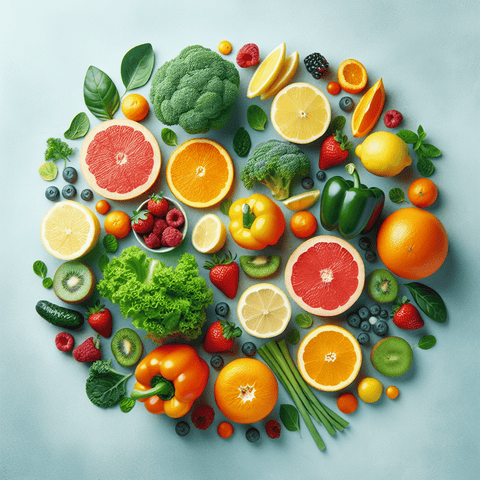
Eating well is one of the most reliable ways to support your body's everyday needs, and a focus on nutrient-rich ingredients is a big part of that. This guide introduces a collection of immune-boosting foods and explains their role in a balanced diet. Rather than promising unproven results, we focus on practical information and simple strategies to help you add more variety, color, and flavor to your meals. From understanding key nutrients to planning your weekly menu, this is your starting point for building a more resilient approach to wellness.
What Are Immune-Boosting Foods?
Immune-boosting foods are those that provide a high concentration of nutrients known to support the immune system. This includes vitamins like vitamin C and vitamin D, minerals such as zinc and selenium, and antioxidants from a variety of plant-based foods. The concept is not about a single ingredient but about a dietary pattern that consistently supplies these building blocks. The goal is to give your body what it needs to maintain its normal functions, which includes a healthy immune response.
Many of these foods are common and versatile. Citrus fruits, berries, leafy greens, nuts, seeds, and certain herbs and spices all have valuable nutrient profiles. Understanding these foods and their benefits is the first step toward making practical choices that align with your health goals. The rest of this guide will explore the major nutrient groups involved, how to choose these foods, and how to make them a regular part of your routine.
Key Nutrients to Look For
To understand what makes a food supportive, it helps to know which nutrients are most associated with immune health. A broad and varied diet is the best way to get these nutrients. Here are some of the most important ones to be aware of when planning your meals:
- Vitamin C: A water-soluble vitamin found in many fruits and vegetables. It contributes to the normal function of the immune system.
- Vitamin D: A fat-soluble vitamin that plays a role in immune function. Few foods contain it naturally, though fatty fish and fortified foods are sources.
- Zinc: A mineral that is important for the normal function of immune cells. It is found in meat, shellfish, legumes, and seeds.
- Antioxidants: Compounds like flavonoids and carotenoids that help protect cells from oxidative stress. These are abundant in colorful fruits and vegetables.
- Selenium: A trace mineral that helps the body's antioxidant defense system. Brazil nuts, seafood, and organ meats are rich sources.
While supplements can help address deficiencies, whole foods are the preferred source for most people. They contain a complex mix of nutrients and fiber that work together to support overall health. For further reading on vitamins, you can explore our collection about Vitamin C for immune support.
The Role of Antioxidants in Immune Health
Antioxidants are not a single nutrient but a class of compounds that help protect the body's cells from damage caused by free radicals. Free radicals are unstable molecules that the body produces as a byproduct of normal processes and due to environmental exposures. Over time, an imbalance can contribute to cellular stress, which may affect overall health and resilience.
A diet rich in antioxidant-containing foods helps the body manage this balance. Colorful fruits like berries and citrus, vegetables like spinach and bell peppers, and other plant foods like green tea and dark chocolate are all good sources. Including a variety of these foods is a sensible strategy for supporting your body's natural defenses. For more on this topic, you might find our collection on antioxidants and their role in health helpful.
Practical Ways to Add These Foods to Your Meals
Incorporating more immune-boosting foods into your diet doesn't need to be a complicated process. The best approach is to build a simple, repeatable system that makes healthy eating easier. Here are some practical strategies to get you started:
- Plan Your Weekly Menu: Assign one or two immune-boosting foods to each meal. This creates a simple framework that ensures variety without overwhelming you.
- Use a Shared Shopping List: Keep a running list of your go-to immune-boosting foods. This makes grocery shopping faster and more consistent.
- Bulk Prep Key Ingredients: Wash, chop, and portion out fruits and vegetables at the start of the week. Store them in clear containers for quick access.
- Build Flavor in Layers: Use fresh herbs, citrus zest, and spice blends to make healthy meals more appealing and satisfying.
- Get Creative with Recipes: Fold ingredients into sauces, grains, soups, smoothies, and bowls. This allows you to mix and match without starting from scratch every time.
The goal is to make daily inclusion feel natural. By preparing more meals at home and using these techniques, you can easily create healthier habits. For additional guidance on building a balanced diet, you can browse our superfoods guide for more ideas.
Signs of a Weakened Immune System
Many people wonder about the health of their immune system. While getting sick occasionally is normal, certain signs may indicate that your defenses are not as strong as they could be. Frequent infections, slow-wound healing, and persistent fatigue are often cited as potential indicators of a compromised immune system. However, it's essential to understand that these can also be symptoms of other health conditions.
If you're concerned about your immune health, it's always a good idea to consult with a healthcare professional. They can provide a proper diagnosis and offer guidance based on your individual situation. On this page, our focus is on how a nutrient-rich diet can help support your body's normal functions, not on diagnosing or treating illness.
Supplements and Immune Support: A Word of Caution
While a balanced diet should be your first line of defense, supplements can play a role for some individuals. They are most useful when a deficiency has been identified or when dietary intake is inadequate. For example, vitamin D is difficult to get from food alone, so a supplement might be beneficial, especially during months with less sunlight.
It's crucial to approach supplements with caution. They are not a magic bullet and are not intended to prevent, treat, or cure diseases. Taking high doses of vitamins and minerals is generally not recommended and can sometimes have negative effects. Always speak to a doctor or a registered dietitian before starting a new supplement regimen, especially if you have underlying health conditions or are taking other medications. You can find general information on mineral supplements in our mineral supplements guide.