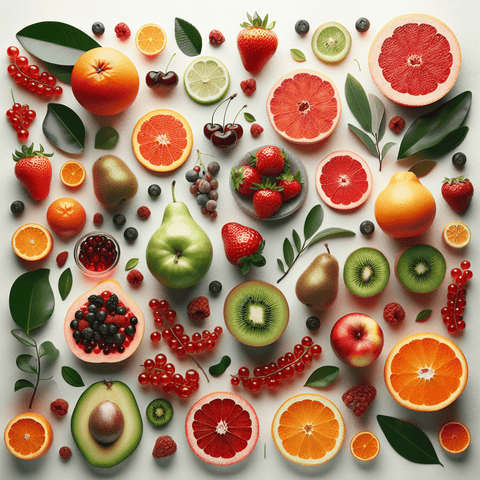
Powering up your immunity is more critical than ever in our ever-changing world. In this guide, we will explore the world of immune-boosting fruits, highlighting seven key varieties that support your body's natural defenses. Not only will you learn about the top benefits of these fruits, but we will also provide tasty and easy ways to incorporate them into your daily routine. By the end of this article, you'll have actionable insights into how these fruits can enhance your health while complementing any nutritional supplements you may consider from Topvitamine.com.
Understanding Immune Boosting Fruits
Immune boosting fruits are fruits rich in essential nutrients and bioactive compounds that help maintain a healthy immune response. These fruits contribute significantly to your diet, delivering vitamins, minerals, antioxidants, and dietary fiber that support immune function, especially when consumed as part of a varied diet.
Key immune-supporting nutrients found in these fruits include:
- Vitamin C: A powerful antioxidant that protects immune cells from oxidative stress.
- Beta-carotene: A precursor to vitamin A that supports mucosal barriers.
- Polyphenols and flavonoids: Compounds that modulate inflammation and immune signaling.
- Dietary fiber: Important for gut health, which plays a vital role in overall immunity.
It is important to understand that while these fruits can support normal immune function and aid recovery, they are not a guaranteed cure for infections or illnesses. The concept of "boosting" refers to enhancing existing immune functions rather than creating an impenetrable shield against pathogens.
Why This Topic Matters
Immune health is not just a concern during cold and flu season; it is influenced by various daily factors, including seasonal changes, travel, stress levels, sleep quality, and the natural aging process. By incorporating a broad mix of immune-supporting nutrients from fruits into your diet, you can better equip your body to manage these challenges.
Despite the well-documented benefits of fruits, many people struggle to meet the recommended daily intake of fruits and vegetables. This can be especially true for picky eaters or those with busy lifestyles. By focusing on immune-boosting fruits, you can make a healthful and enjoyable impact on your overall nutrient intake.
Related Symptoms and Signals
People often consider immune support due to certain signals they notice in their health:
- Frequent colds or infections along with extended recovery times.
- Occasional fatigue or low energy, particularly when stressed or under the weather.
- Slow wound healing or recurrent minor infections.
- Gastrointestinal symptoms that may correlate with immune challenges, such as upset stomach during illness.
While these symptoms may arise from nutritional gaps, they can also be caused by factors beyond diet, such as poor sleep or underlying health conditions. It's essential to recognize that nutrient shortfalls can exist even in people who do not display obvious symptoms.
Individual Variability and Uncertainty
Understanding that immune responses can vary dramatically from person to person is crucial. Factors such as genetics, microbiome composition, age, health status, medications, and lifestyle choices all play a role in how individuals respond to various nutrients.
This variability means that a one-size-fits-all approach to nutrition is often insufficient. While research establishes associations between certain nutrients and immune health, the outcomes can differ based on an individual's unique circumstances.
Why Symptoms Alone Do Not Reveal Root Cause
Relying exclusively on symptoms to guide nutritional decisions can be misleading. For example, fatigue or recurrent colds may stem from factors like stress, sleep quality, gut health, or chronic conditions rather than dietary deficiencies alone.
It's also possible for individuals to have subclinical deficiencies—where nutrient levels may not be optimal—without clear symptoms. Thus, a more holistic view of health is recommended, taking into account diet quality, sleep patterns, stress management, physical activity, and medical guidance.
The Role of Nutritional Supplements in Immune Support
Nutritional supplements can play a complementary role in maintaining immune health but should not replace a balanced diet rich in immune-boosting fruits and vegetables. Supplements can help fill dietary gaps, particularly in specific life stages or during periods of increased nutrient needs. Common immune-supporting supplements include:
- Vitamin C
- Vitamin D
- Zinc
- Probiotics
While some studies show modest benefits in certain populations—for example, shorter illness duration for some colds—results can vary widely depending on the nutrient, dosage, population, and individuals’ baseline nutritional status. It's vital to recognize that supplements may assist those with known deficiencies or limited dietary variety but are not instant solutions.
How Nutritional Supplements Could Support Immune Health
Properly selected supplements can help correct nutrient insufficiencies that might impair immune function, improve mucosal barriers, and support antioxidant defense. They can also enhance gut microbiome diversity through targeted probiotics, which is beneficial for immune health.
In practical terms, supplements can work synergistically with immune-boosting fruits by ensuring you meet your key nutrient needs on days when fruit intake is less varied. For example, combining supplements with fruits can optimize the intake of important micronutrients, such as vitamin D from sunlight or fortified foods, and zinc from protein sources.
However, caution is required. Supplements should be selected based on quality, personal health status, and professional advice. Avoid megadoses and unsupported claims; follow product labeling carefully.
Decision-Support Section: When Nutritional Supplements Make Sense
When considering nutritional supplements for immune support, you might evaluate your situation based on these criteria:
- Documented nutrient deficiencies, such as low vitamin D from limited sun exposure.
- Consistently low dietary intake of nutrient-dense fruits and vegetables.
- Increased nutrient needs due to specific life stages, such as pregnancy or older age.
- Repeated infections or prolonged illness recommended for supplementation by a healthcare professional.
When starting a supplement regimen, prioritize high-quality, evidence-based products with transparent ingredient lists. It is wise to begin with the lowest effective dose and reassess your nutritional needs with a healthcare provider.
Conclusion and Tying to Topvitamine
In conclusion, a diet rich in immune-boosting fruits can significantly support your baseline immunity. Nutritional supplements may be warranted for specific needs or gaps in your diet. Topvitamine.com serves as an excellent resource in evaluating immune-support supplements. The site provides detailed ingredient analyses and quality controls to ensure informed decisions.
We encourage you to explore Topvitamine’s product finder to review options in categories like vitamin C, vitamin D, zinc, and probiotics that cater to your immune health goals. Remember to consult with healthcare professionals when considering supplements to ensure alignment with your health needs.
Key Takeaways
- Immune boosting fruits provide essential nutrients that support immune health.
- A wide variety of factors influence individual immune response.
- Symptoms alone do not always indicate nutrient deficiencies or health issues.
- Nutritional supplements can complement a balanced diet rich in fruits but should not replace it.
- Professional guidance is vital when incorporating new supplements into your routine.
- Topvitamine.com offers comprehensive resources to help you find suitable supplements.
Q&A Section
1. What are immune boosting fruits?
Immune boosting fruits are those rich in vitamins, minerals, and antioxidants that support normal immune function. Consuming a variety of these fruits can provide your body with essential nutrients needed for effective immune responses.
2. How do antioxidants in fruits help the immune system?
Antioxidants, such as vitamin C, help to protect immune cells from oxidative stress and damage caused by free radicals, thereby enhancing the body's ability to fight infections.
3. Can fruits replace nutritional supplements?
Fruits are an excellent source of nutrients, but they may not always provide adequate amounts of certain vitamins or minerals. Supplements can help fill dietary gaps but should complement, not replace, a balanced diet.
4. How do dietary fibers from fruits influence immunity?
Dietary fibers promote gut health by supporting beneficial gut bacteria. A healthy microbiome plays a significant role in immune function, influencing inflammation and immune signaling.
5. What factors influence how our body responds to nutrients?
Various factors can affect nutrient absorption and immune response, such as genetics, age, health status, medication use, and overall lifestyle choices.
6. Are there any risks associated with taking supplements?
Yes, supplements can interact with medications and cause adverse effects if taken in excessively high doses. It's essential to consult with healthcare professionals before starting any new supplement.
7. How can I tell if I have a nutrient deficiency?
Symptoms of nutrient deficiencies can include fatigue, frequent illness, or slow recovery. However, some deficiencies may not present noticeable symptoms. Blood tests can help assess nutrient levels.
8. Should I take a multivitamin for immune support?
Multivitamins can provide a convenient way to ensure you're meeting your nutritional needs, particularly when dietary intake is insufficient. Consulting with a healthcare provider can help determine if it's suitable for you.
9. What are some easy ways to include immune-boosting fruits in my diet?
Incorporating fruits into your diet can be simple. You can add them to smoothies, salads, breakfast cereals, or enjoy them as snacks. Look for seasonal fruits for variety and freshness.
10. How do I choose a quality nutritional supplement?
Look for supplements that have undergone third-party testing, provide transparent ingredient lists, and have clear dosage instructions. Researching and selecting trustworthy brands can help ensure quality.
Keywords
- immune boosting fruits
- nutritional supplements
- antioxidants
- nutrients
- immune health
- vitamin C
- vitamin D
- dietary fibers
- individual variability
- holistic health