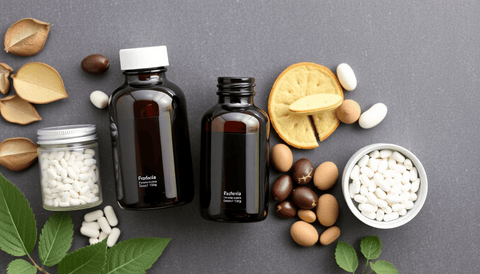
A well-functioning immune system is one of the cornerstones of overall health, and it relies on a steady supply of essential nutrients to operate at its best. Among these, minerals play a vital, often underappreciated role. While vitamins often dominate the conversation, minerals like zinc, selenium, iron, copper, and magnesium are crucial cofactors in the complex biological processes that form our immune defenses. This guide offers a broad overview of immune-boosting minerals, exploring their key functions, dietary sources, and the scientific context surrounding their use.
What Are Immune-Boosting Minerals?
In scientific literature, the term "immune-boosting minerals" acts as shorthand for a group of minerals that have been studied for their role in supporting the immune system. These minerals do not inherently "boost" immunity in a simple, direct way. Instead, they serve as vital components in a vast network of biological processes. They function as cofactors for enzymes, are structural components of cells, and participate in cell signaling pathways. All of these are essential for the body to mount an effective, balanced immune response. When we discuss these minerals, we are talking about maintaining the body's baseline nutritional status to keep these pathways running smoothly.
Researchers investigate the connections between these minerals and immune function using a range of methods, from laboratory studies to large-scale population data. The evidence for each mineral varies, with some having a stronger body of research behind them than others. It's important to evaluate this evidence critically, understanding that findings can range from suggestive to conclusive, and are always influenced by context, individual variability, and study design.
The Major Minerals for Immune Support
While a wide range of minerals are necessary for human health, several have been studied more extensively for their specific relationship with immune function. Understanding the individual role of each can help you appreciate why a varied and balanced diet is so important.
Zinc
Zinc is arguably one of the most well-known minerals for immune support. It is crucial for the normal development and function of various immune cells, including neutrophils and natural killer cells. Zinc also acts as an antioxidant, helping to protect cells from damage. A deficiency in zinc is known to impair immune function, making an adequate intake particularly important. Good sources of zinc include oysters, red meat, poultry, beans, nuts, and whole grains.
Selenium
Selenium is a powerful antioxidant mineral. It is a component of selenoproteins, which play a key role in protecting the body from oxidative stress, a process that can damage cells and contribute to inflammation. This antioxidant function is believed to be central to selenium's support of a healthy immune system. Brazil nuts are an exceptionally rich source, along with seafood, organ meats, and other meats.
Iron
Iron is not only essential for transporting oxygen in the blood but is also critical for the proliferation of immune cells, particularly lymphocytes. When iron levels are low, the immune system's ability to respond effectively can be compromised. However, it is important to note that the relationship is complex, as both deficiency and excess can have negative effects. Iron is found in high amounts in red meat, poultry, fish, beans, and fortified cereals.
Copper
Copper is a trace mineral that contributes to the maintenance of a healthy immune system. It is involved in the development and maturation of certain white blood cells, such as neutrophils, which are key players in the body's first line of defense. Copper works in concert with iron to support various physiological functions. Good dietary sources include oysters, organ meats, nuts, seeds, and whole grains.
Magnesium
Magnesium is involved in over 300 biochemical reactions in the body, including those related to muscle, nerve, and heart function. While its influence on immunity is perhaps less direct than zinc or selenium, it is still important. Magnesium plays a role in the regulation of inflammation and is a component of structures that support cell health. It can be found in green leafy vegetables, nuts, seeds, and whole grains. You can explore our magnesium supplement guide for more detailed information.
Dietary Sources of Key Minerals
The most effective way to achieve a healthy intake of these essential minerals is through a balanced and varied diet. Instead of focusing on a single food, a pattern of eating that includes a diverse range of nutrient-dense foods will naturally provide the minerals your body needs.
- Protein-rich foods: Red meat, poultry, and fish are excellent sources of zinc, iron, and selenium.
- Nuts and seeds: A great addition to any diet, providing zinc, copper, and magnesium.
- Legumes: Beans, lentils, and chickpeas contribute significant amounts of iron and zinc.
- Whole grains: Quinoa, oats, and brown rice offer magnesium, zinc, and copper.
- Vegetables: Leafy greens are a leading source of magnesium, while other vegetables add to your overall mineral intake.
For a deeper dive into various minerals, iron, selenium, and more, consider our mineral supplements guide.
Supplements vs. Dietary Sources
While food is the preferred source of minerals, supplements can play a role for individuals who have difficulty meeting their needs through diet alone. This might be due to dietary restrictions, health conditions, or identified deficiencies. It is also a common question whether supplements are more effective than dietary sources. For most people, a diet rich in whole foods is more beneficial because it provides a complex mix of nutrients that work together, along with fiber and other beneficial compounds.
When considering a supplement, it is crucial to focus on the form and dosage. The two main categories are:
- Multimineral supplements: These provide a broad range of minerals and can help cover general nutritional gaps.
- Single-mineral supplements: These are used for targeted support, typically to correct a specific deficiency (e.g., iron or zinc).
Ultimately, supplements should not be viewed as a substitute for a healthy diet. They are best used as a complement to fill specific gaps. For a general overview of multivitamins, which often include these essential minerals, you can refer to our multivitamins guide.
Daily Intake and Safety Considerations
When it comes to minerals, balance is key. The emphasis for daily intake should be on consistency and alignment with established nutritional guidelines. Rather than aiming for extreme megadoses, the goal is to meet the recommended daily allowance (RDA) or adequate intake (AI) levels. It is also important to be aware of the upper intake limits (ULs) for each mineral, as consuming excessive amounts over time can lead to toxicity and adverse health effects. For example, while zinc is essential, taking very high doses can interfere with copper absorption.
Individual needs can vary based on age, sex, health status, pregnancy, and lifestyle. It is always recommended to consult with a healthcare professional or registered dietitian before starting any new supplement regimen, especially if you have underlying health conditions or are taking medication. They can help you identify if you actually have a deficiency and provide personalized advice.
Common Questions About Immune Minerals
There is no single "best" mineral for the immune system. Instead, a synergy of multiple nutrients works together to maintain health. A deficiency in any of them—zinc, selenium, or other vitamins—can impair the immune system. While there is no "most powerful" natural booster, minerals like zinc and selenium are incredibly important for its normal function. The body requires a broad array of minerals to function correctly, and they are best obtained from a diverse diet.
Exploring the Topic Further
This overview covers the essential minerals associated with immune function. However, the topic is deep, and each mineral has its own detailed story regarding bioavailability, optimal forms, and interactions with other nutrients. For deeper dives into specific questions, we encourage you to explore the related articles featured below. These articles provide more specific information on topics like symptoms of deficiency, detailed food charts, and comparisons of specific supplement forms.