
Immune boosting is a term you may encounter when people discuss ways to stay healthier. This page presents science-backed strategies to support the immune system through practical steps that cover nutrition, sleep, stress control, and workouts. Instead of quick fixes, these approaches emphasize consistent patterns that researchers study as part of immune boosting. By outlining simple, adaptable actions, we help you build a sustainable routine that fits your life. You’ll find guidance on structuring daily habits, aligning activities with energy levels, and monitoring how changes feel over time. Sleep quality and regularity are central to immune boosting discussions. Prioritize a consistent sleep schedule, a calming pre-bed routine, and a comfortable, distraction-free environment. Stress control techniques—such as mindfulness, breathing exercises, and time-management strategies—support a steadier physiological state. Small, regular practices, like setting aside time to unwind and limiting late screens, can improve sleep quality and overall resilience. The goal is to integrate these practices into your routine so they become automatic parts of daily life. Physical activity is another pillar in immune boosting conversations. Emphasize regular movement that you enjoy and can sustain, with a mix of gentle and more vigorous efforts across the week. Prioritize consistency and gradual progression, and include recovery days to listen to your body. When planning workouts, consider your current fitness level, goals, and any medical considerations, and adjust accordingly. Use this framework to create a balanced regimen that supports overall well-being. Nutrition, in the context of immune boosting, focuses on building steady patterns around eating that support energy and well-being without relying on single meals or shortcuts. Think in terms of balanced routines, meal timing that fits your day, and mindful choices that you can maintain long term. Pair these with deliberate sleep and stress-control strategies to create a cohesive plan. Track how your energy, mood, and daily functioning respond to changes, and adjust as needed.
Boost Your Immune System: Science-Backed Ways to Stay Healthier

Probiotics and Digestive Support: What You Need to KnowProbiotics are live microorganisms that, when consumed in adequate amounts, can support a balanced gut microbiota. They are commonly found in fermented foods and dietary supplements, with strains such as Lactobacillus and Bifidobacterium being the most researched. Digestive support is one of the primary reasons people turn to probiotics, as they may help maintain regularity, reduce occasional bloating, and support the intestinal barrier. However, not all probiotics are the same; benefits are strain-specific, and the choice of organism, dose, and duration matters for achieving desired outcomes.How Probiotics Contribute to Gut Health and Overall Well-BeingProbiotics influence the gut microbiota by competing with potentially harmful organisms, producing beneficial compounds like short-chain fatty acids, and interacting with the immune system. These actions support digestion, immune function, and even skin health and mood through the gut-brain axis. While research is promising, results vary by individual, and probiotics are best used alongside a fiber-rich diet, adequate sleep, and stress management. For those seeking digestive support, incorporating probiotics as part of a broader wellness routine may help maintain a healthy gut ecosystem without overpromising outcomes.Choosing Probiotics Wisely for Your Health GoalsWhen selecting a probiotic, look for labels that specify the genus, species, and strain—such as Lactobacillus rhamnosus GG—rather than just the genus. Check the colony-forming units (CFUs) listed at the end of shelf life, and consider whether the product requires refrigeration. Start with a modest dose and observe your response over 2–4 weeks. For specific health conditions or if you have underlying medical issues, consult a healthcare professional before use. Probiotics are a supportive tool, not a cure, and they work best when combined with healthy lifestyle habits.

Zinc and Immune Function: What the Science ShowsZinc is a trace mineral essential for the development and activation of immune cells, including T-lymphocytes and macrophages. It supports both innate and adaptive immune responses. Research has found that zinc supplementation may help reduce the duration and severity of common colds when taken early. Zinc also helps regulate inflammation, ensuring immune reactions are effective but not excessive.Recognising Zinc Deficiency and Who Is at RiskCommon signs of low zinc include frequent infections, slow wound healing, hair loss, and impaired taste or smell. Vegetarians, older adults, and individuals with digestive conditions are at higher risk. Addressing deficiency can improve immune function. While food sources like shellfish, meat, seeds and nuts provide zinc, supplements offer an effective alternative for those with limited dietary intake.Safe Supplementation: Dosage and Best FormsRecommended daily intake is 11 mg for adult men and 8 mg for women, with a safe upper limit of 40 mg daily. Forms with high bioavailability such as zinc picolinate, citrate, and gluconate are well-absorbed. Excessive zinc can interfere with copper and iron absorption. Consultation with a healthcare professional is advisable before supplementation, especially for those taking medication or with existing conditions.

The Role of Vitamin C in Disease PreventionVitamin C, or ascorbic acid, is an essential nutrient that the body cannot produce on its own. It is well known for its role in supporting the immune system and acting as a powerful antioxidant. By helping to neutralize free radicals, vitamin C may reduce oxidative stress, which is linked to chronic conditions such as heart disease. Its most direct disease-preventing role is in stopping scurvy, a condition caused by a severe deficiency of this vitamin.How Vitamin C Supports Immune HealthBeyond preventing scurvy, vitamin C helps bolster the body's defenses against common infections. Regular intake may reduce the duration and severity of upper respiratory tract infections like the common cold, particularly in individuals under physical stress. It supports the production and function of white blood cells, which are crucial for detecting and fighting off pathogens. Maintaining optimal levels through diet or supplements is a key part of a proactive wellness strategy.Vitamin C for Respiratory and Overall WellnessThe antioxidant and anti-inflammatory properties of vitamin C also extend to respiratory health. It may help reduce symptoms of bronchitis and support lung function, especially in those with chronic conditions or high exposure to pollutants. Combined with other nutrients like zinc and vitamin D, vitamin C contributes to a comprehensive approach to immune resilience and long-term health. For many, supplementing with high-quality vitamin C is a practical and effective way to support these essential bodily functions.

Antioxidant Benefits: What They Mean for Your HealthAntioxidants are compounds that help protect your cells from damage caused by free radicals—unstable molecules that can arise from normal metabolism, stress, and environmental exposures. When free radicals outnumber antioxidants, oxidative stress occurs, which may contribute to cellular aging and various health concerns. Vitamin C is one of the most well-known antioxidants, playing a key role in neutralizing free radicals and supporting your body's natural defense systems. By understanding antioxidant benefits, you can make informed choices about your diet and lifestyle.Vitamin C: A Key Player Among the Big Three AntioxidantsWhile there are many antioxidants, three are often highlighted for their importance: vitamin C, vitamin E, and beta-carotene (a precursor to vitamin A). Vitamin C is water-soluble, meaning it works inside your cells and in blood plasma, while vitamin E is fat-soluble and protects cell membranes. Beta-carotene is also fat-soluble and supports skin and eye health. These antioxidants work synergistically; for example, vitamin C helps regenerate vitamin E, extending its protective effects. Including a variety of antioxidant-rich foods in your diet ensures you benefit from their combined actions.Practical Ways to Increase Your Antioxidant IntakeTo harness the benefits of antioxidants, focus on a colorful diet rich in fruits, vegetables, nuts, and seeds. Citrus fruits, strawberries, kiwi, bell peppers, broccoli, and Brussels sprouts are excellent sources of vitamin C. Other high-antioxidant foods include berries, dark leafy greens, carrots, and tomatoes. While supplements can help fill gaps, whole foods provide a complex mix of nutrients that work together. For most healthy adults, a daily intake of 75–90 mg of vitamin C is recommended, though higher doses are sometimes used. If you're considering supplements, consult a healthcare professional to determine what's right for you.

What Are Antioxidant Properties?Antioxidant properties refer to a substance's ability to neutralize free radicals—unstable molecules that can damage cells and contribute to oxidative stress. Vitamin C is a water-soluble antioxidant that donates electrons to reactive oxygen species, rendering them harmless. It also helps regenerate other antioxidants like vitamin E, amplifying the body's defense network. This makes vitamin C a key player in protecting tissues from daily wear and tear caused by metabolism, pollution, and UV exposure.Top Vitamin C Benefits for Your HealthVitamin C supports immune function by protecting white blood cells and enhancing their activity. It is essential for collagen synthesis, promoting skin elasticity, wound healing, and joint health. Additionally, vitamin C helps maintain cardiovascular health by supporting blood vessel function and may reduce the duration of common colds. These benefits make it a foundational nutrient in any wellness routine.How to Choose and Use Vitamin C SupplementsYou can find vitamin C in many forms—tablets, capsules, powders, and liposomal versions. For best absorption, consider a sustained-release or liposomal formula. Regular daily intake of 500–1000 mg is generally considered safe, but always consult a healthcare provider before starting high-dose supplements, especially if you have medical conditions or take medications. Combine vitamin C with a diet rich in fruits and vegetables for optimal results.
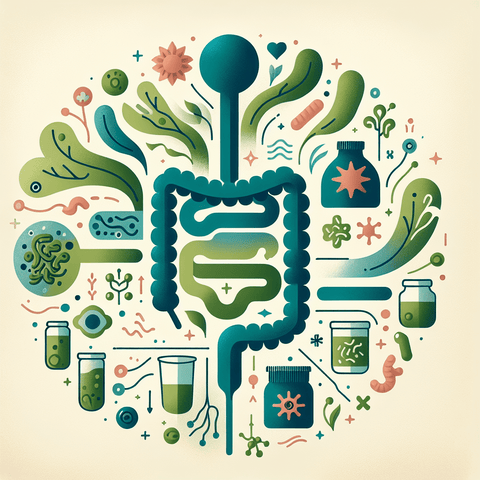
Probiotics are live beneficial microorganisms that support gut health, digestive support, and overall intestinal wellness. Strains such as Lactobacillus and Bifidobacterium may help relieve bloating, gas, diarrhea, and IBS symptoms while improving nutrient absorption and gut barrier function. Immune boosting probiotics can support normal immune responses and help maintain resilience during illness or antibiotic use. By competing with harmful microbes and working alongside prebiotic fiber, probiotics promote microbial balance and a diverse microbiome. Available as capsules, powders, tablets, and fermented foods, probiotic supplements should be selected by strain, viability, formulation, and individual health needs, with professional guidance when appropriate.