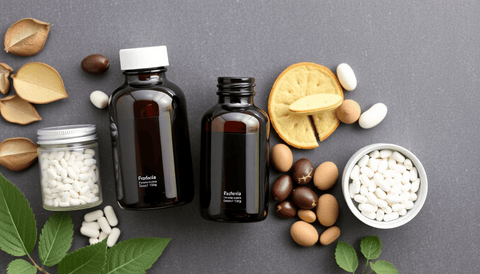
Immune support supplements are a popular category of dietary products designed to help maintain the body's natural defenses. This guide provides a comprehensive overview of what these supplements are, the key nutrients involved, and practical considerations for choosing and using them effectively. Whether you're looking to fill nutritional gaps or support your wellness routine, understanding the fundamentals is the first step.
What Are Immune Support Supplements?
Immune support supplements are products that contain one or more dietary ingredients—such as vitamins, minerals, herbs, or other botanicals—intended to support the immune system. They come in various forms, including capsules, tablets, powders, and liquids. Unlike medications, these supplements are not designed to treat, cure, or prevent any disease. Instead, they aim to provide the nutrients your body needs to maintain normal immune function.
The immune system is a complex network of cells, tissues, and organs that work together to defend the body against harmful invaders. Proper nutrition plays a vital role in keeping this system functioning optimally. When dietary intake is insufficient or when certain life stages increase nutrient demands, supplements can help bridge the gap.
Key Nutrients and Ingredients in Immune Support
Many nutrients contribute to a healthy immune response. Here are some of the most commonly found ingredients in immune support supplements:
- Vitamin D: Essential for immune modulation. Many people have insufficient levels, especially during winter months or with limited sun exposure. You can learn more in our vitamin D collection.
- Vitamin C: A well-known antioxidant that supports various cellular functions of the immune system. It is water-soluble, so regular intake is important.
- Zinc: A mineral that is critical for immune cell development and communication. Zinc deficiency can impair immune responses.
- Selenium: An antioxidant mineral that helps reduce oxidative stress in the body, which can otherwise burden the immune system.
- Probiotics: Beneficial bacteria that support gut health. Since a significant portion of the immune system resides in the gut, a healthy microbiome is closely linked to immune function. Explore our probiotics and prebiotics supplements.
- Botanicals: Herbs like elderberry, echinacea, and ashwagandha are often included for their traditional uses in supporting immune health, although scientific evidence varies.
For a broader view of nutritional supplements, including vitamins and minerals, you may want to visit our natural supplements collection.
Why Immune Health Matters
The immune system works continuously to protect the body, but certain everyday factors can challenge its effectiveness. Chronic stress, inadequate sleep, poor dietary choices, and sedentary lifestyles can all negatively impact immune function.
Additionally, certain life stages and situations may increase the need for immune support. For example, older adults often experience a natural decline in immune function, a phenomenon known as immunosenescence. Similarly, athletes undergoing intense training, frequent travelers, or those with limited sun exposure may have higher nutritional requirements.
Signs That Might Indicate a Need for Support
While symptoms alone are not a reliable indicator of immune health, some common signals may suggest that your immune system needs extra support. These include frequent colds, prolonged recovery times from illness, and persistent fatigue. Slower wound healing can also be a sign that the immune system is not functioning optimally.
However, it's important to remember that these symptoms can overlap with other health conditions. Persistent or severe symptoms should always be evaluated by a healthcare professional. Self-diagnosing and self-treating can lead to inappropriate supplement use and may delay proper medical care.
Individual Variability and Response
How individuals respond to supplements can vary greatly. Factors such as genetics, gut microbiome composition, baseline nutrient levels, and lifestyle habits all play a role. Additionally, the body's ability to absorb certain nutrients differs from person to person. This variability means that a supplement that works well for one person may have little effect on another.
It is also crucial to consider potential interactions with medications or existing health conditions. Some supplements can interfere with prescription drugs or exacerbate certain medical issues. Therefore, a personalized approach, ideally guided by a healthcare provider, is essential.
The Role of Supplements in Immune Health
Nutritional supplements can play a supportive role in immune health by filling dietary gaps and providing nutrients that may be lacking. They are not a substitute for a healthy lifestyle but can complement it, especially during periods of increased need.
Who Might Benefit from Supplementation
Supplementation is most often beneficial for individuals with identified nutrient deficiencies. Other groups that may benefit include older adults, people with limited sun exposure (particularly for vitamin D), those with dietary restrictions like vegans or vegetarians, and individuals under chronic stress. Athletes with heavy training loads may also have increased needs.
Daily Maintenance vs. Short-Term Use
Some people use immune support supplements as part of their daily routine for general wellness. Others prefer to use them short-term during specific periods, such as cold and flu season or during periods of high stress. The choice depends on individual health goals and needs.
How to Choose Quality Immune Support Supplements
Selecting a quality supplement is critical for both safety and effectiveness. Here are some practical tips:
- Check for third-party testing: Look for seals from organizations that independently verify purity and potency.
- Read labels carefully: Check the amount of each ingredient (dosage) and look for any unnecessary additives or fillers.
- Look for reputable brands: Opt for brands with a track record of quality and transparency.
- Consider the form: Choose a form (capsule, powder, liquid) that fits your preferences and lifestyle.
Topvitamine offers a range of supplements, with a focus on ingredient transparency and quality assurance. When browsing, be sure to review product labels and follow the recommended dosages. If you have health concerns or are taking medication, consult with a healthcare provider before starting any new supplement.
Safety Considerations and Cautions
While immune support supplements are generally safe for most people when used as directed, there are some important precautions to keep in mind.
- Avoid megadoses: Taking extremely high doses of certain vitamins or minerals can be harmful. Stick to recommended daily allowances unless a healthcare provider advises otherwise.
- Be aware of interactions: Some supplements can interact with medications. Always inform your healthcare provider about all supplements you take.
- Consider allergies: Check labels for common allergens like gluten, soy, or shellfish, especially if you have sensitivities.
- Pregnancy and breastfeeding: Special caution is needed during pregnancy and while breastfeeding. Consult a healthcare provider before using any supplements.
Exploring the Topic Further
This guide provides a broad overview of immune support supplements. For more detailed information on specific nutrients or products, consider exploring our related collections, such as our vitamin C collection or our comprehensive multivitamins guide.
Remember, supplements are just one piece of the puzzle. A balanced diet, regular physical activity, adequate sleep, and stress management are all foundational to a healthy immune system. Always prioritize these lifestyle factors, and use supplements as a complementary support tool.
When making decisions about your health, it's always best to consult with a qualified healthcare professional. They can provide personalized advice based on your individual circumstances and help you determine whether immune support supplements are right for you.