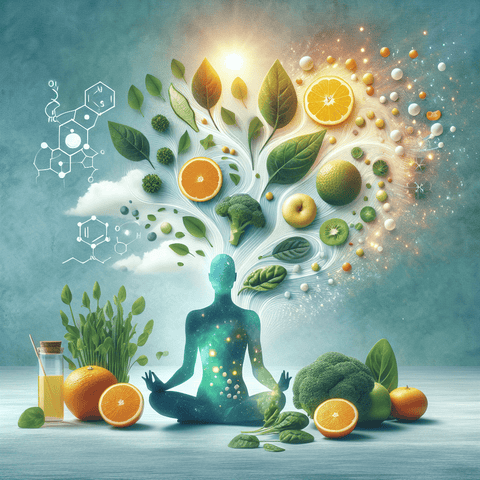
Immune support is a topic of interest for many people seeking to maintain their overall health. Your immune system is your body's natural defense network, working continuously to protect against everyday threats. This page serves as your starting point to understand the fundamentals of immune health, from key nutrients and herbal supplements to foundational lifestyle habits. We aim to provide a clear, evidence-based map of the topic to help you make informed choices for your well-being.
What is Immune Support?
Immune support encompasses the various actions and lifestyle strategies that can help maintain the effective functioning of your immune system. It is not about 'boosting' the immune system beyond its natural state, but rather about providing it with the necessary conditions to operate optimally. This involves a holistic approach that includes proper nutrition, adequate sleep, regular physical activity, stress management, and, in some cases, targeted nutritional supplements.
The immune system itself is a complex network of two main parts: innate immunity and adaptive immunity. Innate immunity is your body's immediate, non-specific first line of defense, including physical barriers like skin. Adaptive immunity is a slower, more targeted response that creates 'memory' of specific pathogens, providing long-lasting protection. Both branches rely on adequate nutrition and a healthy lifestyle to function correctly.
Key Nutrients for Immune Health
A diet rich in essential vitamins and minerals is one of the cornerstones of a healthy immune system. These nutrients support various functions, from the development and activity of immune cells to the production of antibodies. While a balanced diet is the best source, understanding the specific roles of key nutrients can help you identify potential gaps.
Essential Vitamins and Minerals
Several micronutrients are particularly important for immune function:
- Vitamin D: Often called the 'sunshine vitamin,' it is crucial for immune modulation. Insufficient levels have been linked to increased susceptibility to respiratory infections. You can find detailed information in our guide to vitamin D benefits, sources, and safety.
- Vitamin C: A well-known antioxidant that supports various cellular functions of the immune system. It is also a popular choice for daily wellness, especially during the cold season. You can explore more about its benefits in our vitamin C collection.
- Zinc: An essential mineral involved in the development and function of immune cells. Zinc deficiency is known to impair immune response.
- Selenium: A mineral that supports antioxidant defense mechanisms in the body and may help in mounting a balanced immune response.
Other nutrients like vitamin A, vitamin E, iron, and folate also play supportive roles. This is why a diverse diet, rich in fruits, vegetables, lean proteins, and whole grains, is the most effective strategy. If you suspect your diet is lacking, a multivitamin guide can help you understand how to fill nutritional gaps.
The Role of Herbal Supplements
Beyond vitamins and minerals, certain herbs have a long history of traditional use for immune wellness. These are often considered in a holistic approach to health.
- Echinacea: Often used with the intention to reduce the duration or severity of common colds.
- Elderberry: A fruit rich in antioxidants that is traditionally used for respiratory health.
For a broader understanding of traditional remedies and their safe use, you can consult our herbal supplements guide. Remember, 'natural' does not always mean risk-free, and it is important to consider quality and potential interactions.
The Importance of Lifestyle Factors
Supplements are only one piece of the puzzle. Your daily habits have a profound and direct impact on your immune system's ability to function. Focusing on these foundational areas is often the most powerful way to support your health.
- Nutrition: Prioritize a diet abundant in whole foods, colorful fruits and vegetables, and healthy fats.
- Sleep: Aim for 7-9 hours of quality sleep per night, as this is when the body performs key restorative and immune-regulating functions.
- Physical Activity: Regular, moderate exercise can help improve immune surveillance and reduce inflammation.
- Stress Management: Chronic stress can suppress immune function. Incorporating stress-reducing activities like meditation, yoga, or time in nature can be highly beneficial.
These factors work synergistically. You cannot 'out-supplement' a poor lifestyle. The most effective approach is a holistic one that combines healthy habits with strategic supplementation to fill specific gaps.
Recognizing Signs of a Weakened Immune System
Understanding the potential signs of a weakened immune system can help you take proactive steps. While occasional illnesses are normal, certain patterns may indicate that your immune function could be improved. If you are experiencing any of these signs frequently, it may be worth reviewing your lifestyle and dietary habits.
- Experiencing frequent or recurring infections, such as colds more than a few times a year.
- Feeling that infections take a long time to clear or that recovery is slow.
- Persistent or unusual fatigue that does not improve with rest.
These signs alone do not diagnose a root cause, as they can be related to other health conditions. It is always best to consult a healthcare professional for a proper evaluation, rather than relying on self-diagnosis.
Making Informed Supplement Choices
If you are considering supplements for immune support, it is essential to approach the decision with a critical and informed mindset. The goal is to choose products that are safe, high-quality, and appropriate for your individual needs.
Practical Considerations
- Safety First: Always be aware of tolerable upper intake levels (ULs) for vitamins and minerals. More is not always better and can lead to adverse effects.
- Quality Matters: Look for reputable brands that use third-party testing or have clear quality certifications. Transparency in labeling is a good sign.
- Interactions: Some supplements can interact with medications. It is crucial to discuss any new supplement regimen with your doctor or pharmacist.
The most effective way to support your immune system is through a foundation of healthy lifestyle habits, with supplements used as a targeted tool to address potential deficiencies. For a wider selection of products, explore our range of natural supplements.
Frequently Asked Questions About Immune Support
Here we address common questions to help clarify what immune support does and how to approach it.
What is the best thing for immune support?
There is no single 'best' thing. The most effective approach is a combination of a balanced diet rich in essential nutrients, adequate sleep, regular physical activity, stress management, and targeted supplementation to fill specific dietary gaps.
What are 5 signs of a weak immune system?
Potential signs include frequent or recurrent infections, infections that are slow to clear, persistent fatigue, frequent digestive issues, and slow wound healing. It's important to consult a healthcare professional for a proper evaluation.
How to fix a weak immune system?
There is no quick fix. Focus on establishing a healthy foundation: prioritize a nutrient-dense diet, aim for 7-9 hours of quality sleep, manage stress, and exercise regularly. Addressing any identified nutrient deficiencies with the guidance of a healthcare professional is also important.
Does immune support really work?
Immune support is about maintaining normal immune function rather than 'boosting' it. A healthy lifestyle and addressing nutrient deficiencies can help your immune system work as effectively as possible. Supplements are not magic bullets and cannot prevent illness, but they can play a supportive role.
Conclusion: Your Path to Immune Wellness
This guide provides a broad overview of the key components of immune support: essential nutrients, herbal options, and the critical role of lifestyle. Your journey toward a stronger immune system begins with understanding these pillars and how they relate to each other. Explore our related resources to find products that can help you on your journey.