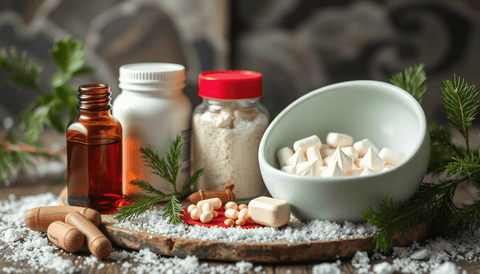
The phrase “immune system boosters” appears on countless products and headlines, but the reality is more nuanced: no single pill or food can instantly supercharge your immune defenses. What research does support is that immunity depends on a combination of daily habits—sleep, stress management, exercise, hydration—and on adequate status of specific nutrients such as vitamin C, vitamin D, and zinc. In this article, we explain what immune system boosters actually are, what the science says about strengthening immunity, which nutrients and foods matter most, and when immune supplements may genuinely be worth considering. By the end, you will be able to make informed decisions about supporting your immune health without falling for marketing hype.
What Are Immune System Boosters and Do They Actually Work?
The Difference Between Supporting Immunity and “Boosting” It
A truly “boosted” immune system is not necessarily a healthy one. An overactive immune response is behind allergies and autoimmune conditions, so the realistic goal is a well-balanced, properly functioning immune system—not maximal activation. When scientists talk about supporting immunity, they usually mean ensuring the body has what it needs to mount a normal response to threats: adequate nutrition, restorative sleep, and manageable stress levels. Products marketed as “boosters” rarely work in the way the term implies.
Why a Single “Booster” Won’t Fix a Weak Immune System
Immune function is a system-level outcome, not the result of one input. If someone sleeps five hours a night, drinks heavily, and is chronically stressed, a vitamin C tablet will not compensate. Similarly, if a nutrient deficiency is the limiting factor, adding extra amounts of nutrients you already have in abundance offers little benefit. The body uses what it needs; the rest is excreted or, in some cases, can become harmful.
What the Science Says About Strengthening Immune Defenses
The most consistent findings in immunology and nutrition research involve sufficiency rather than excess. Research suggests that adequate intake of certain micronutrients is associated with normal immune cell function, and that correcting an existing deficiency can restore aspects of immune performance. Conversely, studies on megadoses of individual nutrients in otherwise well-nourished people show limited or inconsistent effects on infection rates. The evidence, in short, points toward a foundation of healthy habits rather than a miracle supplement.
How the Immune System Works: A Quick Overview
Innate vs. Adaptive Immunity: What’s the Difference?
Your immune system has two main arms. The innate immune system is your fast, general-purpose defense—physical barriers like skin, plus white blood cells that respond within minutes to hours to generic threats. The adaptive immune system is slower but specialized: it learns to recognize specific pathogens and builds memory, which is how vaccines and prior infections provide lasting protection. Both arms depend on a steady supply of energy and micronutrients to function properly.
Why Nutritional Status Matters for Immune Function
Immune cells are among the most metabolically active in the body, and their production and function require nutrients such as protein, vitamins A, C, D, E, and B vitamins, plus minerals like zinc, iron, selenium, and copper. A deficiency in any of these can impair aspects of the immune response—slow wound healing, reduced antibody production, or weaker pathogen killing. This is why nutritional status, not supplementation per se, is what matters for immune resilience.
Signs Your Immune System May Need Support
Common Signs of a Weakened Immune Response
Frequent colds, slow recovery from illness, wounds that heal poorly, persistent fatigue, and recurring infections are often cited as signs that immune defenses may be under strain. However, these symptoms are non-specific: they can also reflect stress, poor sleep, anemia, thyroid issues, or other conditions. Treat them as signals to review your overall lifestyle and diet—not as proof of a nutrient deficiency.
When Frequent Illness Warrants a Medical Check-Up
Occasional infections are normal and healthy. But if you experience recurrent serious infections, infections requiring repeated antibiotics, or illness that consistently disrupts daily life, it is appropriate to consult a doctor. A medical evaluation can identify underlying causes—ranging from anemia and thyroid dysfunction to primary immunodeficiency—far more reliably than self-diagnosis.
Factors That Can Weaken Immune Function
The Role of Chronic Stress and Sleep Deprivation
Chronic psychological stress elevates cortisol, which in sustained excess can suppress aspects of immune activity, including inflammation regulation and lymphocyte function. Sleep deprivation has a similar effect: studies have shown that people who sleep less than six to seven hours per night are more likely to develop colds after exposure to the virus. Both are among the most impactful modifiable factors for immune health.
How Diet, Alcohol, and Smoking Affect Immunity
A diet low in fruits, vegetables, and whole foods tends to fall short in the micronutrients immune cells need. Excessive alcohol impairs immune cell function and damages the gut barrier, while smoking damages respiratory defenses—your first line of protection against airborne pathogens. None of these effects can be offset by supplements.
Age, Medications, and Underlying Health Conditions
Immune competence naturally changes with age—a phenomenon called immunosenescence—which partly explains why older adults are more vulnerable to infections. Certain medications, including corticosteroids and immunosuppressants, deliberately dampen immunity. Conditions such as diabetes, obesity, and chronic kidney disease are also associated with altered immune function. These factors shape what kind of support, if any, is appropriate for each person.
Why Individual Immunity Needs Differ
How Age and Lifestyle Affect Immune Resilience
A 25-year-old eating well and sleeping eight hours may need nothing beyond a healthy routine, while an 80-year-old with limited sun exposure and reduced appetite may have genuinely different nutritional needs. Physical activity levels, alcohol intake, and occupational stress all influence both immune demands and nutrient requirements.
Genetic and Health Factors That Influence Immune Response
Genetics influence immune responsiveness, nutrient metabolism, and susceptibility to particular infections. Medical conditions affecting the gut, liver, or kidneys can reduce nutrient absorption or alter nutrient handling, further increasing individual variability.
Why One Person’s “Booster” May Not Work for Another
This is the key insight behind supplement marketing that doesn’t hold up: if you are already sufficient in a nutrient, taking more of it usually provides no additional immune benefit. If you are deficient, correcting that specific deficiency is what matters. This is why there is no universal immune supplement—only appropriate support for your individual status.
Science-Backed Ways to Strengthen Immunity Naturally
Prioritizing Sleep: The Foundation of Immune Health
During sleep, the body regulates immune signaling and consolidates adaptive immune memory. Most adults need seven to nine hours of quality sleep per night. Consistency matters too—irregular sleep schedules are associated with worse immune outcomes than occasional short nights.
Managing Stress to Reduce Immune Suppression
Evidence suggests chronic stress is associated with increased susceptibility to infections and slower recovery. Practical strategies with reasonable evidence include regular physical activity, mindfulness or meditation practice, social connection, and realistic workload management. These are not luxuries for immune health—they are foundational.
Regular Exercise: Moderate vs. Overtraining
Moderate, regular exercise—such as brisk walking, cycling, or swimming—is consistently associated with better immune function and fewer respiratory infections. However, prolonged, intense training without adequate recovery can transiently suppress immunity. Balance and recovery are as important as the exercise itself.
Staying Hydrated and Limiting Alcohol
Hydration supports the mucous membranes and lymphatic system that participate in immune defense. Dehydration does not “cause” weak immunity, but chronic under-hydration can impair overall physical resilience. Limiting alcohol matters more: even moderate-heavy drinking is associated with measurable immune suppression.
The Role of Gut Health in Immune Function
A large proportion of the body’s immune cells reside in gut-associated lymphoid tissue. The gut microbiome interacts continuously with these cells and helps train immune responses. A fiber-rich, diverse diet feeds beneficial bacteria; fermented foods and, where relevant, probiotic supplements may contribute to gut-immune balance, though effects vary between individuals and strains.
Key Nutrients That Support Immune Function
Vitamin C: What It Can and Cannot Do
Vitamin C supports the function of various immune cells and acts as an antioxidant. Adequate intake is essential for normal immune function, and deficiency clearly impairs immunity. However, research does not show that vitamin C supplementation prevents colds in the general population—regular supplementation may modestly reduce cold duration in some people, while benefit appears more consistent in individuals under heavy physical stress. Learn more in our vitamin C collection.
Vitamin D: The Immune Modulator Most People Lack
Vitamin D acts more as an immune modulator than a simple stimulant, supporting both innate defenses and immune regulation. Low vitamin D status is common, especially in northern latitudes, during winter, and among people with limited sun exposure or darker skin. Research suggests adequate vitamin D status is associated with more balanced immune responses, and supplementation is frequently considered when sun exposure and dietary intake fall short. See our vitamin D collection for options.
Zinc: Why It Matters for Immune Cell Function
Zinc is essential for the development and function of neutrophils, natural killer cells, and T lymphocytes. Even mild zinc deficiency is associated with impaired immune responses. Zinc lozenges taken shortly after cold symptoms appear have shown modest effects on duration in some trials, though evidence is mixed. More is not better—excess zinc over time can cause copper deficiency.
Selenium, Iron, and Other Trace Minerals
Selenium supports antioxidant defenses that protect immune cells from damage; iron is required for immune cell proliferation; copper and vitamin A also contribute to normal immune function. Deficiencies in these micronutrients impair immunity, but supplementation only helps where intake is genuinely insufficient.
Probiotics and the Gut-Immune Connection
Certain probiotic strains have been associated with modest reductions in the duration or incidence of respiratory infections in some studies, though effects are strain-specific and not universal. A probiotic supplement is most worth considering when gut health, dietary diversity, or recent antibiotic use has disrupted the microbiome. Explore options in our probiotics and prebiotics collection.
Best Food Sources for Immune-Supporting Nutrients
Building an Immune-Friendly Diet: What to Eat Daily
A practical immune-supporting plate includes colorful vegetables and fruits (vitamin C, carotenoids, polyphenols), quality protein (zinc, iron, amino acids), whole grains and legumes (B vitamins, fiber, selenium), fatty fish (omega-3s, vitamin D), and nuts or seeds (vitamin E, selenium, zinc). Variety matters more than any single “superfood.”
The Mediterranean Diet as a Model for Immune Health
The Mediterranean diet—rich in vegetables, olive oil, fish, nuts, and whole grains with limited processed food and added sugar—is one of the most studied dietary patterns. Research associates it with lower markers of chronic inflammation and better overall health outcomes, making it a reasonable template for immune-supportive eating.
When Food Alone May Not Be Enough
Even a good diet can fall short in specific circumstances: limited sun exposure for vitamin D, restrictive diets, pregnancy or breastfeeding, older age with reduced appetite, or absorption-affecting conditions. In these situations, targeted supplementation of specific nutrients may be a sensible complement rather than a replacement for a healthy diet.
When Immune Supplements May Be Worth Considering
Who Is Most Likely to Benefit from Supplementation
Groups where immune-relevant supplementation is more likely to be meaningful include older adults (vitamin D, B12), people with limited sun exposure, vegans and vegetarians (B12, iron, zinc), pregnant women (folate, vitamin D—under medical guidance), and people with malabsorption conditions or chronically restricted diets.
Situations Where Dietary Intake Falls Short
Winter months with minimal sunlight, periods of high physical or psychological stress, recovery from illness, and dietary restrictions can all create gaps between what you need and what you consume. In these cases, supplementing the specific shortfall is more rational than taking broad “immune blends.”
The Difference Between Prevention and Treatment
Nutritional sufficiency supports the immune system’s normal function over time; it is not a treatment for an active infection or a chronic disease. If you are already ill, supplements are not a substitute for medical care. For prevention, the goal is maintaining adequate nutrient status so your defenses are never running on empty—not megadosing once symptoms appear.
How to Choose a Quality Immune Supplement
Single Nutrients vs. Multivitamin Formulas
If you have a known or suspected deficiency in one nutrient—say vitamin D in winter—a targeted single-nutrient product is usually the more precise choice. If your diet is generally decent but inconsistent, a well-formulated multivitamin can serve as nutritional insurance. Avoid “immune blends” that combine dozens of ingredients at unknown effective doses. For guidance, see our multivitamin guide.
Bioavailability and Nutrient Forms That Matter
Not all chemical forms are equal. Examples: vitamin D3 is generally preferred over D2; zinc bisglycinate or citrate may be gentler on the stomach than zinc oxide; vitamin C as ascorbic acid is well absorbed, though buffered forms may be better tolerated at higher doses. Quality matters more than exotic delivery systems.
Capsules, Tablets, Powders, or Liquids: Does It Matter?
For most nutrients, the practical differences are tolerability and convenience, not dramatic absorption differences. Liquids and powders may suit people who dislike swallowing pills or need flexible dosing; capsules are convenient and often protect sensitive ingredients well. Choose the form you will actually take consistently.
Third-Party Testing, Certifications, and Quality Markers
Look for products that disclose ingredient amounts per serving, specify the chemical form of each nutrient, and ideally carry third-party testing or recognized quality certifications. Transparent labeling and manufacturing standards are stronger indicators of quality than marketing claims.
How to Read an Immune Supplement Label
Understanding Nutrient Forms and Serving Sizes
Check whether the label states the amount of the active nutrient (e.g., “zinc bisglycinate providing 15 mg zinc”) and the serving size—some products require two or more capsules to reach the stated dose, which changes the real cost and convenience.
Spotting Fillers, Additives, and Unnecessary Ingredients
Long lists of coloring agents, sweeteners, or filler ingredients are rarely necessary. For people with allergies or dietary preferences, check for gluten, dairy, gelatin, and suitability for vegan or vegetarian use.
Red Flags: Overblown Claims and Proprietary Blends
Be skeptical of claims like “boosts immunity by 300%,” “prevents colds,” or “strengthens immunity instantly.” Proprietary blends that hide individual ingredient amounts make it impossible to know whether doses are meaningful. Vague claims and hidden formulas are the two biggest red flags on supplement labels.
Immune Supplement Safety and Interactions
Safe Upper Limits for Vitamin D, Zinc, and Other Nutrients
More is not safer. Long-term zinc intakes above the upper limit can lead to copper deficiency and impaired immunity—the very thing you are trying to support. High-dose vitamin D over extended periods requires monitoring, as excess can raise calcium levels. Fat-soluble vitamins (A, D, E, K) accumulate in the body, making chronic high doses riskier than water-soluble ones. Always follow label directions and recognized upper intake levels.
Potential Interactions with Common Medications
Zinc can reduce absorption of certain antibiotics; vitamin K can interfere with blood thinners like warfarin; high-dose vitamin E may increase bleeding risk; vitamin A is problematic alongside some retinoid medications and in pregnancy. If you take any regular medication, check with a pharmacist or doctor before starting a new supplement.
Who Should Avoid Immune Supplements
People with kidney disease, those on immunosuppressive therapy (where stimulating immune activity may be counterproductive), pregnant women (except as specifically recommended), and individuals about to undergo surgery should not supplement without professional guidance. “Immune-boosting” herbal blends also warrant caution in these groups.
How to Decide If Supplementation Is Right for You
Questions to Ask Yourself Before Buying
- Is my diet actually lacking? A food diary or honest review often reveals that the diet is better than feared—or highlights a genuine gap.
- What am I trying to achieve? Supporting general nutrition, addressing a known gap, and treating an illness are very different goals.
- Am I in a higher-need group? Age, sun exposure, dietary pattern, pregnancy, and health conditions all shift the calculus.
- Would a targeted single nutrient be smarter than a blend?
When to Consult a Doctor or Run Lab Tests
For vitamin D, iron, B12, and others, a simple blood test can identify genuine deficiency and guide appropriate dosing—far more reliably than guessing from symptoms. This is especially worthwhile if you have persistent fatigue, recurrent infections, or a condition affecting absorption. Testing first means supplementing only what you actually need.
The Bottom Line on Immune System Boosters
The most effective “immune system boosters” are not products—they are habits: consistent quality sleep, stress management, moderate exercise, limited alcohol, no smoking, and a varied, nutrient-rich diet. Supplements have a legitimate but defined role: they help maintain adequate nutritional status when diet or lifestyle falls short, particularly for vitamin D in winter, zinc in restrictive diets, or probiotics after disrupted gut health. For most healthy people, correcting a specific shortfall is more valuable than any broad “immune blend.” And when symptoms are persistent or severe, a medical evaluation and basic lab tests will tell you far more than any marketing claim. Support your immune system by giving it the conditions to function well—and supplement selectively, based on your real needs.
Frequently Asked Questions
Do immune system boosters actually work?
No product “boosts” immunity the way the term suggests. What works is maintaining adequate nutrient status and healthy lifestyle habits. Correcting a genuine deficiency can restore normal immune function, but taking extra nutrients when you are already sufficient offers little additional benefit.
What are the signs of a weak immune system?
Frequent or slow-resolving infections, poor wound healing, and persistent fatigue may indicate that immune defenses are under strain. However, these symptoms are non-specific and can have many causes, so they should prompt review of lifestyle and, if persistent, a medical check-up rather than self-diagnosis.
Does vitamin C prevent colds?
Research suggests vitamin C supplementation does not prevent colds in the general population, though regular use may modestly shorten cold duration. Benefit appears more consistent in people under intense physical stress, such as athletes, and in those with low dietary intake.
How much vitamin D should I take for immune health?
Needs vary widely based on sun exposure, skin tone, age, and current blood levels. Many adults do well with modest daily doses, but the appropriate amount is best determined by a vitamin D blood test, particularly if deficiency is suspected. High long-term doses should not be taken without monitoring.
Can you take too much zinc?
Yes. Long-term zinc intake above recognized upper limits can cause copper deficiency, which itself impairs immune function and can cause neurological symptoms. Short-term use of zinc lozenges during a cold is different from chronic high-dose supplementation, which should be avoided without professional guidance.
Which foods are best for immune support?
Citrus fruits, berries, bell peppers, and leafy greens (vitamin C); fatty fish, egg yolks, and fortified foods (vitamin D); meat, shellfish, legumes, and seeds (zinc, iron, selenium); plus fermented foods like yogurt, kefir, and sauerkraut for gut health. Dietary variety beats any single food.
Does being cold make you sick?
Colds are caused by viruses, not by cold temperatures directly. However, some research suggests cold exposure may modestly affect respiratory defenses, and people spend more time indoors in winter, which facilitates viral transmission. Cold weather alone does not cause infection.
Is exercise good or bad for immunity?
Moderate, regular exercise is consistently associated with better immune function and fewer respiratory infections. Very intense, prolonged training without adequate recovery can temporarily suppress immune activity, so balance and recovery are important.
Do probiotics help with immunity?
Certain probiotic strains have been associated with modest reductions in the incidence or duration of respiratory infections in some studies. Effects are strain-specific and vary between individuals, so probiotics are a reasonable consideration rather than a guaranteed benefit—particularly when gut health has been disrupted.
Can supplements replace a healthy diet for immunity?
No. Whole foods provide fiber, polyphenols, and nutrient combinations that supplements cannot replicate. Supplements fill specific gaps; they work best as a complement to a varied, nutrient-dense diet, not as a replacement for it.
How long does it take to improve immune function through nutrition?
It varies. Correcting a nutrient deficiency may improve relevant markers within weeks to months, while lifestyle changes like improving sleep and exercise produce gradual benefits over weeks. There is no overnight effect—consistency over time is what matters.
Should I take an immune supplement if I feel fine?
Not automatically. If your diet is varied and your lifestyle is healthy, extra supplementation may add little. A blood test for key nutrients like vitamin D can tell you whether a genuine gap exists—making targeted supplementation a more rational choice than guessing.
Related Keywords
- immune system boosters
- how to boost immune system naturally
- vitamins for immune system support
- vitamin C immunity
- vitamin D immune function
- zinc for immune health
- foods that strengthen immunity
- signs of a weak immune system
- gut health and immunity
- best immune supplements
- probiotics for immune support
- Mediterranean diet immune health
- sleep and immune function
- immune supplement safety