
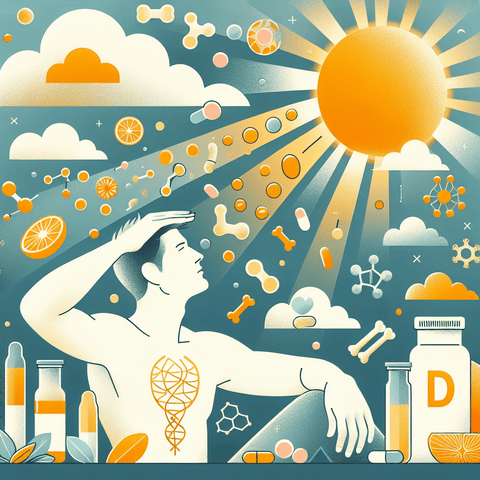
This page examines the impact of vitamin d deficiency and offers practical steps to restore levels safely through sun exposure, diet, and supplements explained. By framing the topic around the impact of vitamin d deficiency, you can approach restoration in a measured way that respects individual circumstances. The content here stays neutral and informational, focusing on how these elements—sun exposure, diet, and supplements—fit together in a cautious plan. Sun exposure explained: The body can synthesize vitamin D in response to sunlight, a process influenced by geographic location, season, and skin exposure. This section outlines how sun exposure fits into the broader discussion of the impact of vitamin d deficiency, with considerations of timing, intensity, and personal preferences. Readers are reminded to balance outdoor time with personal safety and local guidance. Diet explained: Dietary patterns are often discussed when addressing vitamin D status. This portion keeps a neutral tone, focusing on the idea that routine dietary approaches can be part of the broader strategy to address the impact of vitamin d deficiency, without listing specific foods. Individual differences in lifestyle and environment mean that any plan should be tailored with professional input. Supplements explained: Supplements are one option that people consider when addressing the impact of vitamin d deficiency. This section describes general considerations around supplementation, including the importance of professional guidance, monitoring, and safety considerations. It encourages readers to seek individualized recommendations and to discuss any plan with a qualified clinician or other healthcare professional.
Vitamin D Deficiency: The Hidden Health Impacts and How to Fix It
Understanding the Consequences of Vitamin D DeficiencyVitamin D deficiency can have wide-ranging effects on your health. Because this nutrient acts like a hormone and influences nearly every cell in your body, low levels can contribute to problems that go far beyond bone health. The most direct consequences include weakened bones, increased risk of fractures, and conditions like osteomalacia in adults or rickets in children. However, the impact extends to immune function, mood regulation, and even cardiovascular health. Often, the early signs are subtle—fatigue, muscle weakness, or frequent infections—which makes it easy to overlook the deficiency until more serious issues develop. Recognizing these consequences is the first step toward protecting your long-term well-being.Recognizing the Signs and Symptoms of Low Vitamin DHow do you know if you're deficient? Common symptoms include persistent tiredness, bone or joint pain, muscle aches, and a tendency to get sick often. Mood changes such as depression or anxiety can also be linked to low vitamin D, as it influences serotonin production. In older adults, cognitive issues like brain fog or memory problems may arise. If you experience several of these symptoms, especially if you have risk factors like limited sun exposure or darker skin, it's worth discussing a blood test with your healthcare provider. A simple test can measure your 25-hydroxyvitamin D levels and provide clarity.Addressing Deficiency: Practical Steps and SupplementationOnce a deficiency is confirmed, the most effective way to address it is through a combination of sensible sun exposure, vitamin D-rich foods, and quality supplements. Many people find that daily supplementation is the most reliable method, particularly during winter months or for those living in northern latitudes. When choosing a supplement, look for products that are third-party tested for purity and potency. Always consult your healthcare provider to determine the right dosage for your individual needs, as factors like age, health status, and existing medical conditions can influence how much you need. With proper management, you can restore healthy vitamin D levels and reduce the risks associated with deficiency.