
Discover 7 science-backed ways to lower inflammation fast. Start today with actionable, evidence-based tips on diet, habits, and routines to feel better now. The focus here is inflammation reduction through practical changes you can begin this week, with an emphasis on sustainable patterns rather than quick fixes. Sleep and stress are powerful levers for inflammation reduction. To start, aim for a consistent sleep schedule with a predictable wind-down routine and a calm, dark, cool sleeping environment. Add a small daily stress-management practice such as a brief, focused breathing session or a moment of mindful awareness to help smooth daily fluctuations in your stress response. Movement and daily structure also matter. Find activities you enjoy and weave them into your day, using cues or reminders to keep the routine steady. Pair this with regular, mindful eating patterns that emphasize awareness of timing and portions without focusing on specific ingredients, and cultivate listening to your body’s hunger and fullness signals. These habits shape daily patterns that influence how the body responds to stress and metabolism, supporting inflammation reduction. Building social support and a conducive environment can amplify inflammation reduction efforts. Schedule time for connection, optimize your workspace for focus, and reduce unnecessary distractions. Use small habit-stacking strategies to attach new changes to existing routines, and track progress in a simple, nonjudgmental way. Start today by choosing one pathway to begin, and gradually add others to reinforce inflammation reduction over time.
Lower Inflammation Fast: 7 Science-Backed Ways to Feel Better Today
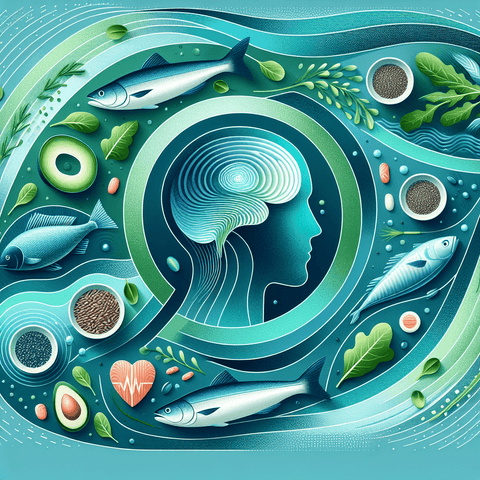
Omega-3 supplements provide EPA and DHA that may support cardiovascular health, brain function, and overall cognitive well-being. Consistent intake can help promote inflammation reduction, healthier triglyceride levels, improved circulation, and better heart function. DHA supports memory improvement, focus, and mental clarity, while EPA may contribute to mood balance and mental performance. Omega-3’s anti-inflammatory properties may also ease joint pain, stiffness, and discomfort, supporting greater joint mobility and faster recovery for active individuals. Benefits typically develop gradually over weeks or months, making quality fish oil or algae omega-3 a useful addition to a balanced diet and healthy lifestyle.
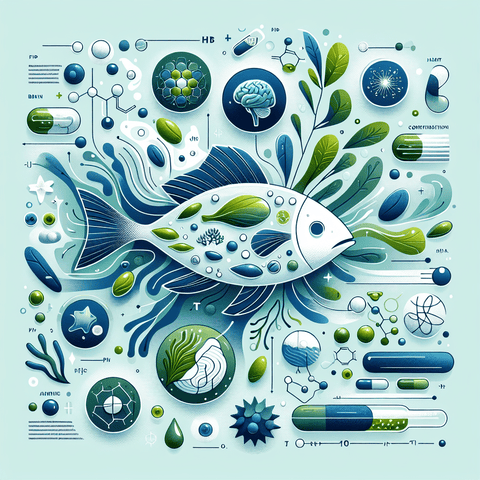
What Is Brain Health and Why Does It Matter?Brain health refers to the ability to remember, learn, plan, concentrate, and maintain a balanced mood. It is a cornerstone of overall wellness, influencing everything from daily productivity to emotional stability. Nutrition, physical activity, sleep, mental stimulation, and social connection all contribute to maintaining cognitive function as we age. Omega-3 fatty acids, especially DHA, are among the most researched nutrients for supporting brain structure and function.How to Improve Brain Health with Diet and LifestyleSupporting brain health involves a holistic approach. A diet rich in antioxidants, B vitamins, and omega-3 fatty acids provides essential fuel for cognitive processes. Regular exercise promotes blood flow to the brain, quality sleep aids memory consolidation, and stress management protects mental clarity. Engaging in mental challenges and staying socially connected help build cognitive reserve. Fatty fish like salmon and sardines are considered among the most powerful brain foods due to their high DHA and EPA content.Omega-3 and Cognitive Decline: What You Can DoCognitive changes can begin as early as the 30s or 40s, but significant decline is not inevitable. Persistent issues like brain fog, memory lapses, or difficulty focusing may signal a need for additional support. Omega-3 supplementation, particularly with DHA, may help fill dietary gaps and support cognitive resilience. Combining omega-3s with healthy habits like exercise, sleep, and stress reduction is a proactive strategy for long-term brain health. Always consult a healthcare professional for persistent concerns.

Omega-3 fatty acids, especially DHA and EPA, are among the most researched supplements for supporting memory, attention, and long-term cognitive wellness. This article reviews the evidence, compares omega-3s with other brain nutrients like B vitamins and vitamin D, and offers practical guidance on choosing a quality supplement. It also answers common questions about natural brain health strategies and addresses skepticism around brain supplements.