The demand for ingredient transparency is reshaping how we approach dietary supplements. Today, understanding precisely what is in your supplements is not just a preference but a priority for many. This guide serves as your comprehensive hub for the topic, explaining its importance, how to interpret ingredient lists on transparent-label vitamins, and the practical steps you can take to make informed, healthy choices.
What is Ingredient Transparency?
At its core, ingredient transparency is the clear, complete, and honest disclosure of every component in a product. This extends beyond just the primary active ingredients to include additives, preservatives, fillers, and potential allergens. It is about providing the consumer with all the necessary information to understand what they are putting into their bodies, allowing for a fully informed purchasing decision. This practice is a move away from obscure labeling and towards consumer empowerment.
Key Components of a Transparent Supplement Label
When evaluating a supplement, transparency is indicated by several key components on the label. Knowing what to look for can help you quickly assess a product's quality and openness. A truly transparent label will typically include the following elements:
- Full ingredients list: Every active and inactive component should be listed clearly, leaving no room for hidden ingredients.
- Allergen declarations: Products should specify common allergens, such as nuts, dairy, soy, or gluten, to ensure safety for sensitive individuals.
- Third-party testing statements: Credible brands often include verification from independent organizations that confirm the supplement's potency, purity, and quality.
- Clear serving size and Percent Daily Value: This information is essential for understanding exactly how much of each nutrient you are consuming and how that fits into your daily needs.
Common Label Terms Explained
Supplement labels can be full of jargon that can be confusing. Understanding some common terms can help you decode them more effectively and avoid potential pitfalls. Here are a few terms you are likely to encounter:
- Natural flavors: This is a broad term that can be derived from various plant or animal sources, and the specific origin is often not disclosed.
- Fillers: These are substances used to bulk up a product and may not offer any nutritional benefit. They are often the cause of sensitivities.
- Proprietary blends: This is a mixture of ingredients where the exact amount of each is hidden under a collective weight. This can make it difficult to assess if you are receiving an effective dose of a specific nutrient.
- Bioactive forms: This refers to the specific chemical form of a nutrient that is readily usable by the body, which is an important factor for absorption.
How to Interpret Ingredient Lists on Transparent-Label Vitamins
Interpreting ingredient lists on transparent-label vitamins is a valuable skill that allows you to move from a passive consumer to an active, informed participant in your health journey. The process involves more than just reading the name of the main nutrient; it is about understanding the entire formulation. Here is a step-by-step approach to help you decode any supplement label with confidence.
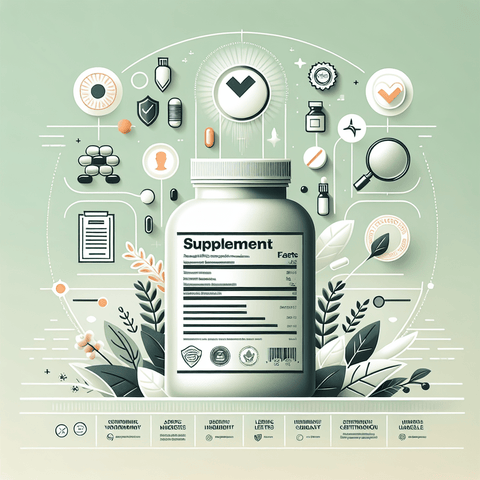
- Check the 'Supplement Facts' Panel: This, not the marketing on the front, is the most important part of the label. It provides the official listing of nutrients.
- Look at Serving Size and Servings Per Container: This is crucial for understanding how much a single serving actually is and how long the product will last.
- Examine the Active Ingredients: These are listed in descending order by weight. The first few ingredients make up the bulk of the product. Note the amount of each active nutrient per serving.
- Review the 'Other Ingredients' or 'Inactive Ingredients' Section: This includes fillers, binders, coatings, and natural flavors. This is where you should be most vigilant about additives you may wish to avoid.
- Look for Third-Party Certifications: Seals from organizations like NSF International or USP confirm that the product has been independently tested for quality, purity, and accurate labeling.
Focusing on the Ingredient List: What to Avoid and What to Look For
When focused on ingredient transparency, it is just as important to know what to avoid as it is to know what to look for. You can start by being cautious about products with long, hard-to-pronounce chemical names that serve no nutritional purpose. These could be artificial colors, sweeteners, or preservatives. A transparent brand will list these clearly, allowing you to make a choice that aligns with your personal preferences.
Instead, focus on products that use recognizable ingredients and provide clear dosages for their active components. Transparency also involves the brand's willingness to explain why certain ingredients are included. By prioritizing a complete and clear ingredient list, you can ensure that your choice of a supplement directly supports your health goals without unnecessary additives.
Why Ingredient Transparency Matters for Your Health
Understanding what is in your supplements has a profound impact on your overall wellness. It is the foundation of a personalized nutrition strategy, ensuring that you are not accidentally consuming substances that could be harmful or counterproductive. The significance of this concept can be seen in its direct implications for both health and safety.
Avoiding Allergens and Undesirable Additives
For individuals with food allergies or sensitivities, the importance of ingredient transparency cannot be overstated. An undisclosed ingredient can trigger a serious allergic reaction. Similarly, for those who prefer to avoid certain artificial colors, sweeteners, or other additives, a transparent label is the only way to ensure that a product aligns with their dietary rules. It puts the power of choice back into the hands of the consumer.
Building Trust and Reducing Decision Fatigue
Beyond individual health, ingredient transparency helps build a trusting relationship between you and the brand you're considering. When a company is open about its ingredients, sourcing, and testing, it signals a commitment to integrity and quality. This transparency can significantly reduce the 'decision fatigue' often associated with shopping for supplements, as it eliminates the need for extensive external research. You can feel more confident that the product you are buying is what it claims to be.
Regulatory Context and Certification
The regulatory environment plays a key role in how ingredient information is presented. Exploring the different rules and certifications can help you understand the level of disclosure you can expect from a product. While regulations can vary from region to region, the underlying goal is to protect consumers and ensure that product labels are not misleading.
How Transparency Varies Across Regulatory Frameworks
It is important to know that labeling regulations differ around the world. For instance, the United States Food and Drug Administration (FDA) has its own set of rules on what must be listed on a supplement label. While these regulations are designed to ensure safety, the level of required disclosure may be less comprehensive than in other regions, such as the European Union, which has more prescriptive rules about certain additives and the format of the ingredient list. Understanding these differences helps you interpret how transparent a brand is being relative to its legal obligations.
The Role of Third-Party Certifications
Because regulatory oversight can have limits, many top-tier brands choose to go a step further by obtaining voluntary third-party certifications. These independent testing organizations serve as an additional layer of consumer protection. They verify that the product contains what the label says it does, is free from harmful contaminants, and has been manufactured under good production practices. Looking for these certifications is a powerful way to ensure that a brand's commitment to transparency is backed by tangible actions.
Practical Considerations for Informed Supplement Shopping
Understanding transparency is one thing, but applying it when you shop is another. Making this information work for you requires a practical approach to evaluating products. It is about being methodical in your review, from confirming your own nutrient needs to carefully comparing supplement facts panels. By following a simple set of principles, you can significantly enhance your ability to choose high-quality supplements that meet your needs.
Step-by-Step Decision Flow for Considering Supplements
A systematic approach can simplify the process of choosing a supplement. The steps below provide a useful framework for making a responsible and informed decision.
- Assess your dietary gaps and risk factors, considering any dietary restrictions, medical conditions, or life stages that might increase your nutrient needs.
- Check for documented deficiencies or elevated risk through lab work or guidance from a healthcare professional.
- Evaluate product labeling and transparency, focusing on full ingredient lists, third-party testing, and allergen statements.
- Consider potential interactions with any medications or other supplements you are currently taking.
- Start with evidence-backed, appropriate dosages and pay attention to how your body responds.
How Topvitamine.com Supports Transparent Choices
At Topvitamine.com, we prioritize your ability to make informed choices. Our goal is to help you find products that align with your personal definition of quality and purity. We work with brands that value transparency and provide detailed product information to support your decision-making.
When exploring our range, you can use filters and product descriptions to compare options based on their ingredients and certifications. If you are looking for a specific type of support, exploring our multivitamins guide can be a great starting point. Similarly, you can find resources on specific nutrients that are important for your health, such as those found in our guide to vitamin D benefits, sources, and safety. For those interested in a broader wellness approach, our collection of natural supplements may also be of interest.
Understanding Your Body's Signals and Variability
Even with the most transparent labels, how you respond to a supplement is a highly individual process. Your genetics, gut health, and overall lifestyle all influence how ingredients are absorbed and utilized. A symptom like digestive discomfort or a change in energy levels is a potential signal, but it is not a definitive diagnosis. It is important to view these signals as a starting point for further exploration. For example, a certain ingredient might interact with others, influencing absorption and efficacy. Attribution bias can be a risk if you blame a single supplement without considering the full picture of your diet, stress, and environment.
Individual variability means there is no one-size-fits-all approach. Life stages, sex, pregnancy, menopause, and chronic conditions can all change your nutritional needs. This is where a careful, evidence-informed approach is most valuable. It is also why consulting with a healthcare provider is essential for personalized advice, especially if you are taking medication or have underlying health concerns.
Exploring the Topic Further
This guide provides a foundational understanding of ingredient transparency as a core principle of supplement shopping. It is a broad and essential topic for anyone looking to take control of their health. Understanding transparency allows you to connect this concept to all the major categories of supplements, from vitamins and minerals to herbal extracts and sports nutrition.
Here are some key takeaways from this overview to guide your journey:
- Always prioritize a full ingredients list and look for third-party testing certifications.
- Make a habit of reviewing the 'Other Ingredients' section of a supplement label.
- Engage with healthcare providers for personalized supplement recommendations, especially if you have specific health conditions.