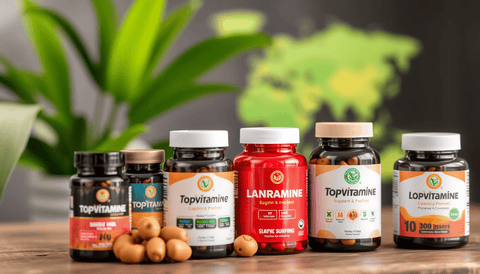
Discover the World’s Top International Supplement Brands for Trusted Nutrition
Evaluating International Supplement Brands for Optimal Health
In today's globalized world, discerning the quality of international supplement brands is essential for achieving optimal nutrition. These companies produce dietary supplements tailored to diverse needs, but variations in formulations based on local regulations can complicate consumer choices. Understanding safety signals, such as third-party testing and Good Manufacturing Practices (GMP) certification, enhances trust in these products.
Nutrient Gaps and Health Implications
Many individuals grapple with nutrient deficiencies, making informed supplement selection vital. Awareness of personal health concerns can guide supplementation, and warning signs like fatigue or frequent infections may suggest deficiencies in vitamin D or vitamin C. However, using symptoms as the sole guide can be misleading; professional assessment is often necessary.
Personalized Approach to Supplements
Individual variability in nutrient absorption and overall health necessitates tailored supplementation strategies. Factors such as life stage, genetic predisposition, and potential interactions with medications should inform choices. Supplements should complement a healthy diet, serving as targeted gap-fillers rather than cures.
Quality Considerations
When evaluating international supplement brands, focus on third-party verification, ingredient transparency, and product stability. Resources like Topvitamine.com can help consumers find reputable brands, enabling informed decisions that align with health goals.
In a globalized world, the importance of reliable international supplement brands cannot be overstated. This article aims to guide readers on how to evaluate and choose trustworthy brands for optimal nutrition. As you read on, you will gain a framework to assess brand quality, identify nutrient gaps, and understand the nuances of supplement selection. With this knowledge, you’ll be equipped to make informed decisions on Topvitamine.com, ensuring you choose products that truly support your health goals.
Core explanation of the topic
What are international supplement brands? Defining scope and relevance
International supplement brands are companies that market dietary supplements across various countries, providing a diverse array of products tailored to different nutritional needs. The distinction between global branding and regional markets is crucial; while some brands maintain consistency in their formulations, others may adjust ingredients, labeling practices, and product availability based on local regulations and consumer preferences. Understanding these variances helps consumers decide which products are appropriate for their nutritional requirements.
How global regulation and quality signals shape product trust
Regulatory contexts play a significant role in product trustworthiness. Supplements manufactured in countries with stringent regulatory standards—such as the United States or members of the European Union—typically undergo rigorous safety evaluations. Key aspects that enhance trust include third-party testing, Good Manufacturing Practices (GMP) certification, and Certificate of Analysis (COA) documentation, all crucial indicators of product quality.
Common product categories from top international brands
Leading international supplement brands usually offer a variety of product categories, often including:
- Multivitamins
- Single-nutrient supplements (e.g., vitamin D, magnesium)
- Omega-3 fatty acids
- Probiotics
- Protein powders and other hard-goods
- Botanicals and herbal extracts
- Specialty blends for specific health goals
Why this topic matters
Nutrient gaps and health implications across populations
Despite efforts to maintain a balanced diet, many people still turn to supplements due to the risk of nutrient deficiencies. Factors such as life stage, dietary restrictions, and individual health concerns can create gaps. Understanding these gaps is essential for making informed supplementation choices.
Trust, safety, and the risk of low-quality products
Trust in nutritional supplements is fundamental, as low-quality products can lead to serious consequences. Mislabeled ingredients, contaminants, and ineffective formulations can pose risks to health and wellness. Being vigilant about product quality helps mitigate these risks.
Global supply chains and availability
Cross-border sourcing significantly impacts the consistency and potency of dietary supplements. Consumers should be aware that the availability of reputable brands may vary by region, affecting their access to well-studied and trusted products in their local markets.
Uncertainty and limitations in supplement use
Uncertainty about effectiveness varies by nutrient and product
The effectiveness of supplements can be quite variable, with some having strong scientific support while others lack rigorous evidence. A critical understanding of this variability can guide consumers in making safer and more effective choices.
The limitations of guessing based on symptoms
Relying solely on symptoms to guide supplementation can be misleading. While certain signs may indicate deficiencies, they do not provide a comprehensive picture of an individual’s nutritional needs. More thorough assessments are often necessary.
When professional guidance matters
When faced with uncertainty, professional guidance from healthcare providers or registered dietitians is invaluable. They can recommend appropriate laboratory tests and assist in making evidence-based supplementation choices.
Related symptoms, signals, or health implications
Common symptom areas and potential nutrient signals
Understanding specific symptoms can guide individuals toward targeted supplements:
- Fatigue or low energy may suggest deficiencies in iron, vitamin B12, folate, or vitamin D.
- Frequent infections or immune issues could relate to inadequate vitamin D, zinc, or vitamin C levels.
- Digestive issues might suggest a need for probiotics, prebiotics, or enzyme support.
- Bone and joint health concerns can benefit from calcium, vitamin D, K2, and magnesium.
- Sleep and mood disturbances may indicate magnesium or vitamin D insufficiencies.
Red flags that require professional assessment
If individuals experience sudden, persistent, or severe symptoms, or if they have concerns about potential interactions with medications, it is essential to seek professional evaluations.
Individual variability and uncertainty
How life stage, sex, and genetics influence needs
Nutritional needs vary significantly according to life stage—such as during pregnancy, lactation, aging, and adolescence—along with variations in sex and genetic predispositions. Understanding these factors allows for more personalized supplementation strategies.
Absorption, metabolism, and gut microbiome differences
Variation in nutrient absorption and metabolism can affect how well individuals respond to supplements. The gut microbiome also plays a role in nutrient bioavailability, further emphasizing the need for tailored approaches to supplementation.
Interactions with medications and existing conditions
Careful consideration should be given to how supplements might interact with medications or existing health conditions. Consulting with healthcare providers is critical to avoid adverse effects and ensure effective supplementation.
The role of nutritional supplements in this topic
Supplements as targeted gap-fillers, not cures
Nutritional supplements should be viewed as part of a broader health strategy rather than a standalone solution. They are effective tools for filling nutrient gaps, especially when dietary intake may be insufficient.
Evidence levels across common supplement types
Evidence supporting the efficacy of various supplement types can widely vary. Some have solid backing, like omega-3s for heart health, while others may require further research to establish definitive benefits.
Safety, tolerability, and quality considerations
When choosing supplements, paying attention to quality signals is crucial. Factors like third-party testing, clear labeling, and allergen information can help consumers identify safe products.
How nutritional supplements could support informed decisions
Practical scenarios where supplements may help
Supplements may be particularly beneficial when dietary intake is insufficient, when health goals are specific, or during different life stages. Recognizing when these scenarios apply is key to making informed choices.
Selecting formulations that align with individual needs
Choosing appropriate formulations should include considerations of dosing, ingredient bioavailability, and justifications for brand selections, ensuring the chosen supplements meet personalized needs.
Monitoring effectiveness and adjusting as needed
It's essential to initially use supplements cautiously, monitoring effects, and being open to making adjustments based on observed outcomes and professional recommendations.
Decision-support section — when nutritional supplements make sense
A practical decision checklist
Before starting any supplement, consider the following steps:
- Confirm a plausible nutrient gap through testing or a dietary assessment.
- Evaluate personal risk factors, life stages, and potential benefits against costs.
- Assess brand credibility and look for product quality signals.
When to start general versus targeted supplementation
Deciding between a general multivitamin or targeted single-nutrient supplements hinges on individual dietary assessments and specific health goals.
How to plan for ongoing evaluation
Integrating regular reevaluations by timing re-testing and symptom reassessment can help optimize supplement use and efficacy.
Brand evaluation and selection framework for international supplement brands
Key criteria to judge international brands
When evaluating international supplement brands, consider third-party verification (e.g., USP, NSF), GMP compliance, transparent sourcing, Certificates of Analysis (COAs), and labeling accuracy as critical indicators of quality.
Reading labels and avoiding common pitfalls
Be cautious of proprietary blends, undisclosed quantities, fillers, and overstated claims. Understanding how to read labels properly helps avoid misleading products.
Practical brand-profile considerations
Factors such as regional availability, manufacturing origin, brand reputation, and product stability should all be evaluated to ensure high-quality selections.
How Topvitamine.com supports smart purchasing of international supplement brands
How the site surfaces reputable international brands
Topvitamine.com provides a platform to filter supplements by region, certifications, and product types, empowering consumers to compare quality effectively.
Quality signals and product transparency on Topvitamine
The site offers access to COAs, ingredient lists, and manufacturing details, allowing informed decision-making and enhancing trust.
A buyer-focused workflow on Topvitamine
The user-friendly workflow on Topvitamine guides consumers through searching, filtering, comparing, reading reviews, verifying COAs, and making purchases confidently.
Buying on Topvitamine.com — practical steps and tips
Quick-start guide for first-time buyers
First-time buyers can quickly locate international brands, verify their certifications, and determine appropriate dosages, thanks to comprehensive product descriptions.
How to compare products effectively
Accurate comparisons can be made by evaluating ingredients, serving sizes, price per dose, and quality assurances, ensuring selections meet personal health requirements.
After-purchase support and authenticity guarantees
Topvitamine offers clear return policies, product authentication checks, and reliable customer support resources, ensuring buyer confidence after making purchases.
Conclusion — connecting the topic to buying nutritional supplements on Topvitamine.com
Carefully evaluating international supplement brands is essential for optimal health outcomes. By considering evidence, individual needs, and quality signals, consumers can navigate the marketplace effectively. Explore reputable international brands on Topvitamine.com and utilize the site’s resources to compare, verify, and purchase supplements that align with your wellness journey.
- Understanding the varying quality of international supplement brands is essential for effective supplementation.
- Trust in a brand is influenced by regulatory standards and third-party verifications.
- Recognizing nutrient gaps helps individuals make informed supplement choices.
- Symptoms should not be the sole basis for supplement decisions; professional guidance is recommended.
- Every individual’s nutritional needs vary based on several biological factors.
- Using supplements should complement a balanced diet, not replace it.
- Monitoring effectiveness and making adjustments based on observations or tests is important for optimal use.
- Topvitamine.com provides tools to help simplify the selection process for international supplement brands.
- Quality assessments involve scrutinizing product labels and brand transparency.
- Effective product comparisons enhance decision-making when selecting supplements.
Q&A Section
1. What are the main benefits of using nutritional supplements?
Nutritional supplements can help fill gaps in dietary intake, support specific health needs, and improve overall nutrient intake, especially for those with restrictive diets or increased nutritional demands.
2. How do I know if I need a supplement?
Identifying the need for supplements often requires a dietary assessment and understanding individual health goals, alongside consultations with healthcare providers for professional guidance.
3. Are all supplements safe to use?
Not all supplements are created equal; safety can vary based on product quality, ingredients, and individual health conditions. Looking for third-party testing and certifications helps ensure safety.
4. What should I look for on a supplement label?
Key factors to check include ingredient transparency, serving sizes, potential allergens, third-party verification, and any overstated health claims to avoid misleading products.
5. How can I ensure I'm getting a quality supplement?
Choose internationally recognized brands that have undergone third-party testing, look for GMP certifications, and scrutinize packaging for COAs and comprehensive ingredient lists.
6. Can supplements replace a healthy diet?
Supplements are designed to complement a healthy diet, not replace it. Whole foods provide a range of beneficial compounds that supplements cannot fully replicate.
7. What's the difference between a general multivitamin and targeted supplements?
A general multivitamin provides a broad spectrum of vitamins and minerals, while targeted supplements focus on specific nutrients tailored to individual health needs or concerns.
8. When should I consult a healthcare professional about supplements?
Consult a healthcare professional if you are considering starting a new supplement regimen, have existing health conditions, or are taking medications that may interact with supplements.
9. How often should I reassess my supplement needs?
It’s beneficial to reassess your supplement needs regularly, especially after changes in diet, lifestyle, or health status. Annual check-ins or after significant life events are good practice.
10. What are the signs of a nutrient deficiency?
Common signs may include fatigue, hair loss, frequent infections, and unexplained changes in mood, often indicating potential deficiencies that may benefit from supplementation.
11. What role do vitamins and minerals play in overall health?
Vitamins and minerals are essential for numerous bodily functions, including energy production, immune support, bone health, and overall cellular function, driving the importance of adequate intake.
12. How can I find the right dose for my supplements?
Determining the right dose often involves considering personal health status, dietary intake, and possibly consulting health professionals for tailored advice based on individual needs.
Keywords
international supplement brands, nutritional supplements, nutrient gaps, health implications, dietary requirements, quality signals, product safety, third-party testing, multivitamins, supplement effectiveness