Intrinsic Factor Role in B12 Absorption & Deficiency


Intrinsic factor is a glycoprotein produced by the parietal cells of the stomach, and its primary role is to enable the absorption of vitamin B12 in the small intestine. Without adequate intrinsic factor, dietary vitamin B12 cannot be efficiently absorbed, which can lead to vitamin B12 deficiency over time. This is particularly relevant for individuals with certain digestive conditions or those who have undergone gastric surgery.

Why Intrinsic Factor Matters for Vitamin B12

Vitamin B12 is essential for red blood cell formation, neurological function, and DNA synthesis. The intrinsic factor role is to bind with vitamin B12 in the stomach and carry it to the ileum, where it is absorbed into the bloodstream. When this process is disrupted, even a diet rich in B12 may not prevent deficiency. This is why some vitamin B supplements include intrinsic factor to support absorption, especially in older adults or those with atrophic gastritis.

Supporting Healthy B12 Status

For individuals concerned about B12 absorption, maintaining a healthy stomach environment is important. The multivitamin guide on Topvitamine.com provides useful background on how B12 and other nutrients work together. In some cases, healthcare providers may recommend sublingual or injectable B12 to bypass the need for intrinsic factor entirely. It is also worth noting that certain mineral supplements like calcium and zinc support overall digestive health, which indirectly supports nutrient absorption.

Anyone with persistent fatigue, neurological symptoms, or digestive concerns should consult a healthcare professional for proper testing and guidance rather than self-diagnosing a B12 deficiency.

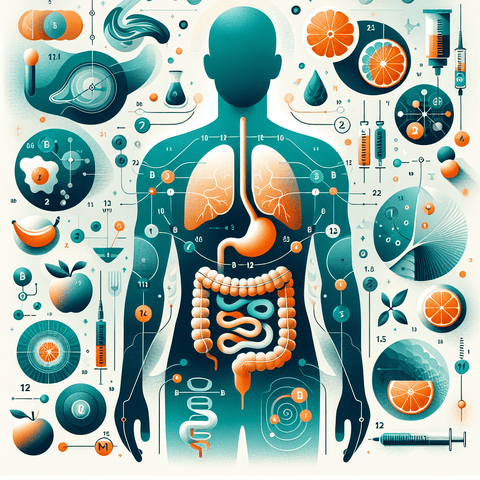
Unlocking the Secrets of B12 Absorption: How to Maximize Benefits from Your Supplements - Topvitamine
Sep 10, 2025
B12 Absorption: Key Factors and Practical TipsVitamin B12 absorption is a complex process that depends on stomach acid, a protein called intrinsic factor, and a healthy small intestine. Many people take B12 supplements but still experience low levels because their bodies cannot absorb the vitamin effectively. Understanding what helps and what blocks B12 absorption is the first step toward getting real benefits from your supplement. This article explains the absorption process and offers actionable tips to improve uptake, such as choosing active B12 forms, timing your supplement correctly, and addressing stomach acid issues.How to Take B12 for Best AbsorptionTo get the most from your B12 supplement, consider the form and timing. Active forms like methylcobalamin are more bioavailable, especially for people with MTHFR variations. Taking oral B12 on an empty stomach with water can help, while avoiding antacids and proton pump inhibitors around dosing time prevents interference with stomach acid. Sublingual tablets, nasal sprays, and injections bypass the digestive tract entirely and are useful for those with low stomach acid or intestinal issues. Regular testing and professional guidance can help personalize your approach.What Blocks B12 Absorption and What HelpsSeveral factors can block B12 absorption, including low stomach acid, lack of intrinsic factor, gut conditions like celiac or Crohn's disease, and certain medications. To improve absorption, support stomach acidity, address gut health, and consider alternative delivery methods. A quick checklist of tips includes choosing methylcobalamin, taking supplements on an empty stomach, and avoiding high-dose vitamin C or coffee at the same time. Always consult a healthcare provider if you suspect a deficiency or have underlying health conditions.
Unlocking the Secrets of Vitamin B12 Absorption: How to Maximize Its Benefits - Topvitamine
Sep 06, 2025
Vitamin B12 absorption: the basicsVitamin B12 absorption depends on three key factors working together: adequate stomach acid to release the vitamin from food, a protein called intrinsic factor that binds to the free B12, and a healthy small intestine that allows the complex to be absorbed in the ileum. When any of these steps are disrupted, your body may not get enough B12 even if your diet contains plenty of it. Understanding this process is the first step toward improving your B12 status.What helps and what blocks vitamin B12 absorptionTo support natural absorption, focus on maintaining healthy stomach acid levels, supporting intrinsic factor production through overall stomach health, and promoting optimal gut health with a balanced diet. Conversely, common blockers include low stomach acid (often due to aging or acid-reducing medications), pernicious anemia which destroys intrinsic factor, gastrointestinal disorders like Crohn’s disease or celiac disease, and long-term use of drugs such as metformin. Choosing the right supplement form, like sublingual B12, can bypass potential stomach issues.Practical tips for maximizing B12 benefitsPractical strategies include taking B12 supplements on an empty stomach, exploring sublingual options if you have digestive concerns, and pairing your supplement with vitamin C sources—though this is optional rather than essential. For individuals with MTHFR genetic variations, methylcobalamin may be preferred because it is already in an active form. Regular monitoring of B12 levels is wise for those in at-risk groups, such as vegans, older adults, or people with gastrointestinal conditions. Always consult a healthcare professional for personalized advice.