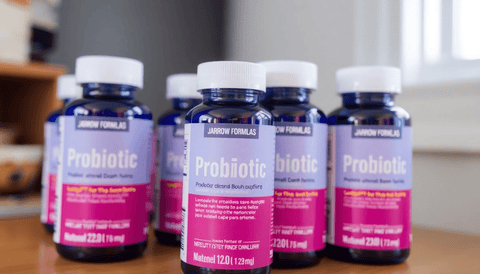
Jarrow Formulas probiotic supplements are among the most widely recognized probiotic products, offering defined bacterial strains in formats designed to support digestive health and a balanced gut microbiota. This article explains what probiotics are, how they may contribute to digestive comfort and overall well-being, which strains commonly appear in Jarrow Formulas products, and how factors like diet, antibiotics, stress, and individual biology shape your gut health. You will also learn when supplementation may be reasonable, how to compare products and read labels, and what safety considerations matter — so you can make an informed, evidence-aware decision rather than guessing.
What Is Jarrow Formulas Probiotic and How Does It Support Gut Health?
Probiotic supplements deliver live microorganisms — typically bacteria from the Lactobacillus, Bifidobacterium, and related genera — in quantities intended to reach the intestine alive. When consumed in adequate amounts, certain strains have been associated with benefits such as supporting digestive comfort, bowel regularity, and the balance of the gut microbial community. Jarrow Formulas is a long-established supplement manufacturer whose probiotic line is one of the most recognized in the category, offering single-strain and multi-strain products at various potencies.
Understanding Probiotics and Their Role in Digestive Health
The human gut hosts trillions of microorganisms that participate in digestion, produce certain vitamins and short-chain fatty acids, and interact with the immune system. Probiotics are defined as live microorganisms that, when administered in adequate amounts, may confer a health benefit on the host. Research suggests specific strains may help with outcomes such as occasional bloating and gas, stool regularity, and the balance of intestinal flora — although effects are strain-specific and dose-specific, meaning results from one strain cannot be generalized to another.
What Makes Jarrow Formulas a Recognized Name in Probiotic Supplements?
Jarrow Formulas has produced probiotics for decades and is known for listing specific strains with identifying codes (such as Lactobacillus rhamnosus GG), stating colony-forming unit (CFU) counts at time of manufacture or expiration, and using formats intended to protect live organisms. The company also emphasizes manufacturing quality and stability testing. As with any supplement brand, quality claims should be weighed alongside the product's specific formulation and your individual needs — no single brand is universally the right choice.
Which Jarrow Formulas Probiotic Strains Are Most Commonly Used?
Jarrow Formulas products commonly feature well-studied strain groups, including:
- Lactobacillus rhamnosus GG — one of the most researched probiotic strains worldwide, used in the brand's signature single-strain product.
- Lactobacillus acidophilus — a widely used species associated with digestive support and maintaining intestinal flora balance.
- Bifidobacterium species — such as B. longum and B. lactis, which are prominent residents of the large intestine and commonly included in multi-strain formulas.
- Saccharomyces boulardii — a beneficial yeast used in some formulas, often discussed in the context of use alongside antibiotic therapy.
Strain identity matters more than brand recognition: research on a specific coded strain is the most reliable basis for expecting a particular effect.
Why Gut Microbiota Balance Matters for Overall Health
A diverse, well-balanced gut microbiota has been associated with healthy digestion, immune function, and metabolic health. Disruption of this balance — sometimes called dysbiosis — has been associated with digestive complaints and, in research contexts, with broader health concerns. Diet is the single most influential modifiable factor shaping the microbiota.
How Probiotics Contribute to Digestive Comfort and Regularity
Certain probiotic strains may support digestive comfort by influencing the intestinal environment, competing with less desirable microorganisms, and supporting the integrity of the gut lining. Evidence from clinical studies suggests some strains may reduce the duration of occasional digestive upset and support regular bowel habits. However, effects vary by strain, dose, and the individual's baseline microbiota, and benefits are generally modest rather than dramatic.
The Connection Between Gut Health and Immune Function
A large proportion of the body's immune tissue resides in and around the gut, where it constantly interacts with microbial signals. Research indicates that certain probiotic strains may support immune system function, for example by modulating immune cell activity. This is an area of active research; probiotics should be understood as contributing to a supportive environment, not as immune "boosters" or preventatives against disease.
The Difference Between Probiotics and Prebiotics
Probiotics are the live microorganisms themselves; prebiotics are the fibers and compounds that feed beneficial bacteria already living in your gut. They work together: prebiotic fibers from foods like onions, garlic, bananas, oats, and legumes nourish microbial populations, while probiotics add or reinforce organisms. Some products combine both (sometimes called synbiotics). For most people, adequate prebiotic fiber from food is foundational regardless of whether a probiotic supplement is used. You can learn more in our guide to probiotics and prebiotics.
Signs Your Digestive Health May Benefit from Probiotic Support
Occasional digestive complaints are common and do not by themselves prove a microbial imbalance. Still, certain patterns may prompt consideration of dietary change or probiotic support.
Common Digestive Complaints Associated with Microbial Imbalance
Occasional bloating, gas, irregular bowel habits, or digestive discomfort after meals are frequently reported by people who go on to try probiotics. Some individuals notice such complaints more often after antibiotic use, dietary disruption, travel, or stressful periods. Because these symptoms overlap with many underlying conditions, they are best viewed as signals to review diet and lifestyle — not as diagnostic indicators.
When Digestive Symptoms Warrant Professional Medical Advice
Persistent or severe symptoms always deserve medical evaluation. Seek professional advice promptly for:
- Blood in the stool or unexplained weight loss
- Severe or persistent abdominal pain
- Difficulty swallowing or persistent vomiting
- Symptoms that interfere with daily life or last more than a few weeks
Supplements are not a substitute for diagnosis or treatment of medical conditions.
Factors That Can Disrupt Your Gut Microbiota
Dietary Habits and Low Fiber Intake
Diets low in fiber and high in ultra-processed foods provide little fuel for beneficial bacteria, and research consistently links low-fiber dietary patterns with reduced microbial diversity. Most adults fall short of recommended fiber intakes, making this the first area to address before considering any supplement.
Antibiotic Use and Its Impact on Beneficial Bacteria
Antibiotics are essential medicines that kill or inhibit bacteria — including beneficial gut organisms. Temporary reductions in microbial diversity during and after a course of antibiotics are well documented, and recovery can take weeks to months. Some people use probiotics during this period to help maintain microbial balance.
Stress, Sleep, and Lifestyle Influences on Digestion
The gut and brain communicate bidirectionally, and psychological stress can influence gut motility, secretion, and possibly microbial composition. Poor sleep, sedentary habits, and high alcohol intake have also been associated with less favorable gut health profiles. These factors are worth addressing alongside any nutritional strategy.
Individual Variability: Why One Probiotic Doesn't Fit Everyone
How Age and Health Status Influence Probiotic Needs
Microbiota composition changes across the lifespan, and factors such as age, diet, pregnancy, medication use, and existing health conditions influence both needs and responses. A healthy adult eating a varied, fiber-rich diet may obtain sufficient support from food alone, while someone with different circumstances may find a supplement more relevant.
The Role of Genetics and Baseline Microbiota Composition
Research shows individuals respond differently to the same probiotic, partly because each person's baseline microbiota differs. Some people's existing microbes resist colonization by supplemental strains. This helps explain why a product that works well for one person may produce little noticeable change in another — and why expectations should be realistic.
Dietary Strategies to Support a Healthy Gut Microbiome
Fermented Foods as a Natural Source of Probiotics
Yogurt, kefir, sauerkraut, kimchi, miso, tempeh, and kombucha contain live microorganisms (when unpasteurized and unheated) and have been part of traditional diets worldwide. Regular inclusion of fermented foods is a practical, food-first way to introduce beneficial microbes, although strains and doses in foods differ from those in standardized supplements.
Prebiotic-Rich Foods That Feed Beneficial Bacteria
Foods rich in fermentable fibers — garlic, onions, leeks, asparagus, Jerusalem artichokes, oats, barley, legumes, and bananas — feed beneficial bacteria and support production of short-chain fatty acids. A gradual increase in these foods helps minimize temporary gas or bloating.
Building a Gut-Friendly Dietary Pattern
The most evidence-supported pattern for gut health is a varied, plant-forward diet rich in vegetables, fruits, whole grains, legumes, and fermented foods, with limited ultra-processed foods. Adequate hydration, regular physical activity, and stress management complement dietary efforts. Consider broader nutritional context as well — for example, overall multivitamin and nutritional adequacy supports the body's baseline function while you work on gut health.
When Supplementing with a Probiotic May Be Reasonable
Situations Where Dietary Intake May Be Insufficient
People who rarely consume fermented foods, follow restrictive diets, travel frequently, or experience ongoing digestive disruption may find it difficult to obtain meaningful amounts of live cultures consistently from food. In such cases, a quality supplement can provide a standardized, predictable intake of defined strains.
Using Probiotics During or After Antibiotic Therapy
This is one of the most commonly cited reasons for probiotic use. Evidence suggests certain strains — notably Saccharomyces boulardii and Lactobacillus rhamnosus GG — have been associated with reduced risk of antibiotic-associated digestive upset in some studies. If you are prescribed antibiotics, discuss timing and suitability with a pharmacist or physician, since spacing probiotics away from antibiotic doses is often advised.
Distinguishing Nutritional Support from Treatment of Medical Conditions
Probiotics are nutritional supplements, not medicines. They may support digestive function and microbial balance, but they do not treat, cure, or prevent disease. Anyone with a diagnosed gastrointestinal condition should manage it under professional care and consult a clinician before adding probiotics.
How to Choose a Jarrow Formulas Probiotic Product
Understanding CFU Counts and What They Mean for Potency
CFU (colony-forming units) indicates the number of viable organisms per serving, typically stated as billions. Common products range from roughly 1–5 billion CFU (single-strain formats) to 10–50+ billion (multi-strain formulas). Higher numbers are not automatically better — the effective dose depends on the specific strain and the intended use. Check whether the CFU count is guaranteed at manufacture or through expiration; the latter is more meaningful for shelf-stable products.
Single-Strain vs. Multi-Strain Formulas: Which Is Better?
Neither approach is universally superior. Single-strain products (such as L. rhamnosus GG formulas) allow you to match a specific strain to its specific research; multi-strain products offer broader coverage but may include strains with varying levels of evidence. If you are seeking a particular researched benefit, strain specificity matters more than the number of strains.
Comparing Common Jarrow Formulas Probiotic Lines
Jarrow Formulas offers several distinct formats rather than one "best" product:
- Single-strain formulas (e.g., L. rhamnosus GG, S. boulardii) — suited to people targeting a specific researched strain, including use alongside antibiotics.
- Multi-strain daily formulas — combining several Lactobacillus and Bifidobacterium strains for general digestive and microbial balance support.
- Higher-potency blends — larger CFU counts and more strains, sometimes with added prebiotic fibers such as inulin.
- Specialized formats — such as dairy-free or shelf-stable versions for those with dietary restrictions or without refrigeration access.
Choose based on your purpose, not potency alone. Comparing options across brands can also be useful — see how products are presented in our probiotics and prebiotics collection.
Capsules, Powders, and Shelf-Stability Considerations
Probiotics come as capsules, sachets, chewables, and powders. Live bacteria are sensitive to heat and moisture, so storage matters: refrigerated products generally retain viability longer, while shelf-stable products use protective technologies but may still require cool, dry storage. Follow label instructions carefully, as improper storage can substantially reduce live counts. Enteric or delayed-release capsules may help organisms survive stomach acid, though evidence on how much this affects outcomes is mixed.
How to Read a Probiotic Supplement Label
Identifying the Specific Bacterial Strains on the Label
A quality label lists the full scientific name (genus, species, and strain designation, e.g., Bifidobacterium lactis BL-04). Generic species-only listings make it impossible to match a product to specific research — a meaningful quality signal in this category.
Interpreting Colony-Forming Units (CFUs) and Serving Size
Confirm the CFU count per serving (not per capsule, if the serving is multiple capsules) and whether the count is guaranteed through expiry. Also check whether the count applies at time of manufacture, which may overstate what remains at use.
Checking for Added Ingredients, Allergens, and Dietary Suitability
Review the "other ingredients" panel for prebiotics like inulin, fillers, dairy-derived components, or allergens such as soy or milk. Vegetarian or vegan suitability matters for capsule sources, and third-party testing or certified manufacturing practices add further assurance of quality and purity.
Who May Benefit Most from a Jarrow Formulas Probiotic?
Adults with Occasional Digestive Discomfort
Adults experiencing occasional bloating, gas, or irregularity — particularly when dietary patterns are inconsistent or fermented foods are rare in the diet — are the most common users of daily probiotic formulas. A time-limited trial of 4–8 weeks is a reasonable way to assess personal response.
Individuals Currently Taking or Recently Finishing Antibiotics
People taking or recently completing a prescribed antibiotic course may reasonably consider strains such as S. boulardii or L. rhamnosus GG, which have been studied in this context. Confirm timing and suitability with a pharmacist, especially if other medications are involved.
When Laboratory Testing or Professional Guidance May Be Helpful
There is no routine, validated test that reliably identifies who needs a probiotic. If digestive symptoms are persistent, severe, or worsening, professional evaluation is more informative than self-directed supplementation. A registered dietitian or physician can also help contextualize symptoms within diet, medications, and health history.
Safety, Side Effects, and Interactions of Probiotic Supplements
Common Mild Side Effects During Initial Use
Temporary gas, bloating, or mild digestive changes during the first days of use are the most frequently reported effects and typically settle within a week or two. Starting with a lower dose and building up gradually can improve tolerability. Probiotics are generally well tolerated in healthy people.
Precautions for Individuals with Compromised Immune Systems
Although rare, probiotics can pose a risk of infection in severely immunocompromised individuals, premature infants, or people with central venous catheters. Anyone in these groups — or with a serious underlying illness — should use probiotics only under medical supervision.
Potential Interactions with Medications and Underlying Conditions
Antibiotics can reduce the viability of live bacterial probiotics, which is why dosing is usually spaced apart. People with damaged heart valves, serious underlying conditions, or those on immunosuppressive therapy should consult a clinician first. Probiotics are not known to interact with most vitamins, but if you take multiple supplements, a quick professional review adds safety. For general supplement-safety context, resources such as our mineral supplements guide cover nutrient interactions more broadly.
Making an Informed Decision About Probiotic Supplementation
When Food and Lifestyle Changes May Be Sufficient
If your diet already includes fermented foods regularly, plenty of fiber-rich plants, and your digestion is comfortable and regular, a probiotic supplement may add little. Improving fiber intake, sleep, and stress management often delivers more noticeable change than adding a supplement to an otherwise unchanged lifestyle.
Key Factors to Weigh Before Selecting a Probiotic Product
Before choosing a product, consider: your purpose (general support vs. a specific scenario like antibiotic use), the specific strains listed, CFU count and its guarantee period, storage requirements that fit your routine, allergens and dietary suitability, and whether you prefer single- or multi-strain. Give any new product a fair trial of at least several weeks while keeping other factors constant.
When to Consult a Healthcare Professional
Consult a professional if symptoms persist beyond a few weeks, if you are pregnant or breastfeeding, immunocompromised, managing a chronic condition, or taking regular medication. Professional guidance is particularly valuable when symptoms could indicate an underlying condition requiring diagnosis rather than nutritional support.
Final Takeaway: Supporting Your Gut Health with Informed Choices
Gut health is built primarily on a fiber-rich, varied diet, sensible lifestyle habits, and — for some people, in some situations — a well-chosen probiotic supplement. Jarrow Formulas probiotic products offer defined strains, transparent labeling, and formats suited to different purposes, making them a reasonable option when supplementation is warranted. But no supplement substitutes for good dietary foundations, and persistent digestive symptoms deserve professional evaluation rather than self-treatment. Match the product to your specific circumstances, give it a fair trial, and let your own response — alongside professional input when needed — guide the decision.
Key Takeaways
- Probiotics are live microorganisms that, in adequate amounts, may support digestive comfort and gut microbiota balance — effects are strain- and dose-specific.
- Jarrow Formulas is a long-established probiotic brand known for strain-level labeling, CFU transparency, and quality manufacturing.
- Commonly used strains include L. rhamnosus GG, L. acidophilus, Bifidobacterium species, and the yeast S. boulardii.
- Diet is the biggest driver of gut microbiota: fiber-rich, plant-forward eating and fermented foods should come first.
- Antibiotics, low fiber intake, stress, and poor sleep can all disrupt gut microbial balance.
- Probiotic supplementation is most reasonable when fermented food intake is low, during or after antibiotics, or for occasional digestive discomfort.
- Higher CFU counts are not inherently better; the right dose depends on the strain and purpose.
- Check labels for full strain designations, CFU guaranteed through expiration, serving size, and allergens.
- Mild temporary gas or bloating is the most common side effect; immunocompromised individuals should use probiotics only under medical supervision.
- Persistent or severe digestive symptoms warrant professional medical evaluation, not self-treatment.
Frequently Asked Questions
What is a Jarrow Formulas probiotic?
It is a probiotic supplement from Jarrow Formulas, a long-standing supplement manufacturer. Products contain defined live bacterial strains (and in some cases the yeast Saccharomyces boulardii) at stated CFU counts, in capsule, sachet, or chewable formats intended to support digestive health and gut microbiota balance.
What does a probiotic actually do in the gut?
Probiotic strains may influence the intestinal environment by competing with less desirable microorganisms, supporting gut lining integrity, and interacting with immune tissue in the gut. Effects are modest, strain-specific, and depend partly on your existing microbiota.
How long does it take for a probiotic to work?
Some people notice changes in digestive comfort within one to two weeks, while others notice little difference. A fair trial of 4–8 weeks at the labeled dose is a reasonable way to assess personal response before deciding whether to continue.
Which Jarrow Formulas probiotic is best for use with antibiotics?
Strains such as Saccharomyces boulardii and Lactobacillus rhamnosus GG have been most studied in the context of antibiotic use. Because antibiotics can reduce live bacterial viability, probiotics are generally taken at spaced times. Confirm timing with a pharmacist or physician.
Is a higher CFU count always better?
No. The effective dose depends on the specific strain and the intended use, and some strains are studied at relatively low billions. A lower-count product with a well-matched strain may be more appropriate than a high-count product with generic strains.
Can you take too much probiotic?
Probiotics are generally well tolerated, and exceeding labeled doses is not known to be dangerous in healthy people, though it may worsen temporary gas or bloating. People with compromised immune systems or serious illness should not increase doses without medical guidance.
Do probiotics need to be refrigerated?
It depends on the product. Refrigerated formulas generally maintain viability longer, while some products are formulated to be shelf-stable at room temperature. Always follow the label's storage instructions, and keep any probiotic away from heat and moisture.
Are probiotics and prebiotics the same thing?
No. Probiotics are live microorganisms; prebiotics are fibers that feed beneficial bacteria already in your gut. They complement each other, and some products combine both. Prebiotic fiber from foods like onions, garlic, oats, and legumes is valuable regardless of supplementation.
Can probiotics cause side effects?
The most common effects are temporary gas, bloating, or mild digestive changes during the first days of use, which usually settle within one to two weeks. Rarely, probiotics can cause infections in severely immunocompromised individuals, so medical supervision is advised in those cases.
Should I take a probiotic every day?
Daily use at the labeled dose is how probiotics are typically studied and used, and live bacteria generally do not colonize permanently, so effects depend on continued intake. Whether daily use is worthwhile for you depends on your diet, health status, and response to a trial period.
Can I get enough probiotics from food alone?
For many people, yes. Regular intake of fermented foods like yogurt, kefir, sauerkraut, and kimchi provides live cultures, and a fiber-rich diet supports beneficial bacteria. Supplements mainly add standardized strains and doses, which matters most for specific situations like antibiotic use.
Do probiotics interact with medications?
Antibiotics can reduce the viability of live bacterial probiotics, so dosing is usually spaced apart. Probiotics are not known to interact with most common supplements, but anyone on immunosuppressive therapy or with serious health conditions should consult a clinician before use.
Related Keywords
- jarrow formulas probiotic
- Jarrow Formulas Lactobacillus rhamnosus GG
- Saccharomyces boulardii supplement
- best probiotic for gut health
- probiotics for antibiotic-associated digestive upset
- multi-strain probiotic capsules
- CFU count probiotic meaning
- shelf-stable probiotic supplements
- probiotics vs prebiotics
- fermented foods for gut microbiota
- gut microbiome balance support
- probiotic supplement side effects
- how to read a probiotic label