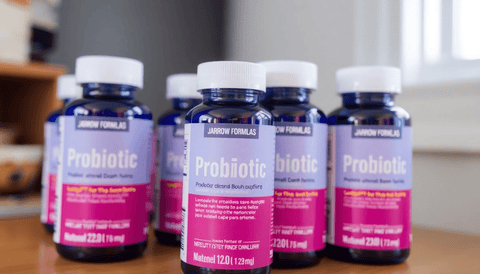
Looking at the wide range of probiotic products on the shelf, it is easy to assume that all probiotics are more or less the same. In practice, the specific bacterial strains in a product matter a great deal, and this is exactly why many people search for a jarrow formulas probiotic strains list. Jarrow Formulas is one of the best-known probiotic brands, and its products contain a variety of Lactobacillus, Bifidobacterium, and Saccharomyces strains, each with its own characteristics. In this guide, you will learn what those strain names mean, how they may support digestion and the gut microbiome, which strains appear most often in Jarrow Formulas products, and how to choose between different formulas based on your own diet, health situation, and goals.
What Are the Probiotic Strains in Jarrow Formulas?
Probiotics are live microorganisms that, when consumed in adequate amounts, may confer a health benefit on the host. Jarrow Formulas produces a range of probiotic supplements, including multi-strain blends such as Jarro-Dophilus, single-strain products like Saccharomyces boulardii, and specialty formulations designed around specific delivery methods. Understanding which strains a product contains is the first step in judging whether it matches your needs.
Understanding the Strain Names on a Jarrow Formulas Label
Every probiotic organism is identified by three levels of naming: the genus (for example, Lactobacillus), the species (for example, rhamnosus), and often an alphanumeric strain designation (for example, GG or R0011). The strain designation is the most specific identifier and is the level at which research is usually conducted. When you read a Jarrow Formulas label, you will typically see entries such as Lactobacillus rhamnosus R0011 or Bifidobacterium longum BB536 listed alongside the colony-forming units (CFU) contributed by each strain.
The Difference Between Lactobacillus, Bifidobacterium, and Saccharomyces
These three groups differ in their biology and typical location of activity. Lactobacillus species are lactic acid–producing bacteria found throughout the small intestine and in fermented foods. Bifidobacterium species colonize primarily the large intestine and are abundant in breastfed infants, often declining with age. Saccharomyces boulardii is not a bacterium at all but a probiotic yeast, which gives it a distinctive property: it is inherently resistant to antibiotics, so it can be taken alongside antibiotic treatment.
Why the Specific Strain Matters More Than the Genus or Species
Two strains of the same species can behave quite differently. Research on probiotics is strain-specific: a benefit demonstrated for one particular strain does not automatically extend to a related strain, even within the same species. This is why reputable brands, including Jarrow Formulas, identify strains by designation rather than listing only genus and species. It allows you to connect the product to actual research and to compare products on a meaningful level rather than on marketing claims.
How Jarrow Formulas Probiotics Support Gut Health
Probiotics do not simply "repopulate" the gut with permanent new residents. Most consumed strains pass through the digestive tract temporarily, and their effects depend on interactions with the existing microbiome, the gut lining, and the immune tissue concentrated in the intestinal wall.
The Role of Probiotics in Digestive Function
Certain probiotic strains may support digestive comfort by influencing intestinal transit, fermentation patterns, and the balance of gas-producing organisms. Some strains produce lactic acid and short-chain fatty acids that help maintain an acidic intestinal environment unfavorable to less desirable microbes. Evidence suggests that specific strains may help with occasional bloating, irregularity, and general digestive comfort, though effects vary considerably between individuals.
How Probiotics Influence the Gut Microbiome
The gut microbiome is a complex ecosystem of trillions of microbes. Probiotic supplements may influence this ecosystem in several ways: competing with less beneficial organisms for adhesion sites and nutrients, producing antimicrobial compounds, and modulating the metabolic activity of the community. The changes are typically transient, which is one reason why consistent intake matters more than occasional use for people seeking ongoing support.
The Connection Between Probiotic Strains and Immune Support
A large proportion of the body's immune tissue is located in and around the gut. Certain probiotic strains have been studied for their ability to interact with gut-associated immune cells and to support the body's normal immune defenses. While research suggests some strains may contribute to immune health, these effects are strain-specific and should not be generalized to all probiotics.
What Are the Most Common Jarrow Formulas Probiotic Strains?
While product formulations change over time, several strains recur across the Jarrow Formulas probiotic line. The following overview reflects the types of organisms most commonly featured; always verify the exact strains and CFU counts on the current product label.
Key Lactobacillus Strains in Jarrow Formulas Products
Jarrow Formulas products frequently include lactic acid–producing Lactobacillus strains such as L. rhamnosus R0011, L. acidophilus La-14 and R0052, L. plantarum R1012, L. casei R0215, and L. helveticus R0052. Many of these strains are used widely in the probiotic industry and have been the subject of studies on digestive comfort, gut microbial balance, and general digestive support. Lactobacillus strains are generally concentrated in the small intestine, where they contribute to the acidic environment.
Key Bifidobacterium Strains in Jarrow Formulas Products
Bifidobacterium strains common in Jarrow Formulas formulations include B. longum BB536 and R0175, B. breve R0070, and B. bifidum R0071. Bifidobacteria reside primarily in the colon and are associated with the fermentation of dietary fibers into short-chain fatty acids. Because Bifidobacterium abundance naturally tends to decline with age, these strains are frequently included in formulas aimed at older adults and at supporting large-intestinal balance.
Saccharomyces boulardii and Other Specialty Strains
Jarrow Formulas also offers Saccharomyces boulardii (often the CNCM I-745 strain) as a standalone probiotic yeast. Because it is a yeast rather than a bacterium, it is unaffected by antibacterial antibiotics and is commonly used during and after antibiotic courses. Some Jarrow formulas also include Pediococcus acidilactici R0032 or Lactococcus lactis R1058, less common genera that add diversity to multi-strain blends.
What Health Areas Are Jarrow Formulas Probiotic Strains Associated With?
Probiotic research has expanded well beyond basic digestion. It is important to stress that most of this evidence is strain-specific, sometimes preliminary, and describes associations or supportive roles rather than treatments for disease.
Probiotic Strains Commonly Studied for Digestive Comfort
Strains such as S. boulardii CNCM I-745, L. rhamnosus GG, and various B. longum strains have been studied in the context of functional digestive complaints, occasional diarrhea (including antibiotic-associated and traveler's diarrhea), and general gut comfort. Evidence strength varies by application: some uses, such as reducing the risk of antibiotic-associated diarrhea with certain strains, are supported by multiple trials, while others rest on smaller studies.
Strains Associated with Immune Health Support
Certain Lactobacillus and Bifidobacterium strains have been examined for their effects on respiratory and immune outcomes, particularly in children and in people under periods of increased physiological stress. Findings suggest possible modest benefits for some strains, but results across studies are mixed, and effects should not be overstated.
Strains Studied for Gut-Brain Axis Effects
The gut-brain axis—the bidirectional communication between the digestive tract and the nervous system—is an active research area. Some strains, sometimes called "psychobiotics," have been explored in studies on mood, stress responses, and subjective well-being. This evidence remains emerging rather than established, and it should be viewed as an area of ongoing investigation rather than a proven application.
Factors That Influence Your Probiotic Needs
There is no single "correct" probiotic intake for everyone. Your microbiome is shaped by diet, age, medication history, health status, and lifestyle, all of which affect whether a supplement is likely to be useful and which type may be most appropriate.
Age and Digestive Changes
Microbiome composition shifts across the lifespan. Bifidobacteria are dominant in infancy, diversify in adulthood, and often decline in later life. Older adults may have reduced microbial diversity and slower transit, which is one reason Bifidobacterium-containing formulas are often positioned toward this group.
Diet and Fiber Intake
Dietary pattern is arguably the strongest determinant of microbiome composition. Fiber-rich diets provide substrates for beneficial microbes and can increase microbial diversity on their own. People who consume abundant vegetables, legumes, and whole grains may need less probiotic support than those whose diets are low in plant foods.
Antibiotic Use and Recovery of the Gut Microbiome
Antibiotics reduce both harmful and beneficial bacteria, and the microbiome may take weeks to months to recover its original diversity. This is a situation where probiotic supplementation—particularly with antibiotic-resistant organisms such as S. boulardii—is commonly considered, as part of a broader recovery approach.
Digestive Conditions and Individual Tolerance
People with conditions such as IBS, inflammatory bowel disease, or small intestinal bacterial overgrowth (SIBO) may respond differently to probiotics; some experience benefit while others report increased gas or discomfort. Anyone with a significant digestive condition should discuss probiotic use with a healthcare provider before starting.
Food Sources of Probiotics and How They Compare to Supplements
Before considering a supplement, it makes sense to evaluate how much probiotic and prebiotic support your diet already provides. Fermented foods have been part of human diets for millennia and deliver microbes along with fermentation byproducts.
Fermented Foods That Naturally Contain Probiotic Strains
Yogurt with live cultures, kefir, sauerkraut (raw, unpasteurized), kimchi, miso, tempeh, kombucha, and certain aged cheeses all contain live microorganisms. Note that strains in fermented foods are usually not documented at the strain level and CFU content varies widely between batches and brands.
Prebiotic Foods That Support the Probiotic Strains You Consume
Prebiotics are fibers that beneficial microbes ferment. Foods rich in them include garlic, onions, leeks, asparagus, bananas (slightly green), oats, apples, and legumes. Feeding the microbes you already have may matter as much as adding new ones.
When Fermented Foods May Not Be Enough
Fermented foods provide variable and generally unquantified microbe doses, may not contain the specific strains linked to particular research outcomes, and may be unsuitable for people sensitive to histamines, FODMAPs, or salt. For targeted situations—such as during an antibiotic course—standardized supplements offer defined strains and doses.
When Might a Jarrow Formulas Probiotic Supplement Be Relevant?
Situations Where Dietary Probiotics Are Often Insufficient
Supplements offer standardized, quantified CFU counts and named strains. When you want a specific strain studied for a specific purpose, or a reliable daily dose, supplements are more predictable than fermented foods.
Antibiotic-Associated Gut Imbalance and Repletion
Probiotic use around antibiotic courses is one of the better-studied applications. S. boulardii and certain Lactobacillus and B. longum strains have been examined for reducing the risk of antibiotic-associated diarrhea. Timing (typically spaced away from the antibiotic dose for bacterial strains) and strain selection matter here.
Travel, Stress, and Seasonal Immune Challenges
Traveler's diarrhea, disrupted routines, psychological stress, and seasonal immune challenges are situations where some people choose targeted probiotic support. Evidence for specific travel or stress applications is strain-dependent and varies in strength.
Distinguishing Nutritional Support from Medical Treatment
Probiotics are nutritional supports, not medical treatments. Persistent digestive symptoms, blood in stool, unexplained weight loss, or severe pain require medical evaluation, not self-treatment with supplements.
How to Choose a Jarrow Formulas Probiotic for Your Needs
Comparing CFU Counts: What Higher Numbers Actually Mean
CFU (colony-forming units) indicate the number of viable organisms per serving. Higher is not inherently better; the researched dose for a given strain is the relevant benchmark. Jarrow Formulas products range from roughly 1–5 billion CFU in some formulas to 50 billion or more in others. Match the dose to the intended use rather than assuming more is superior.
Single-Strain Versus Multi-Strain Formulas
Single-strain products (like S. boulardii alone) allow clearer attribution of effects and simpler experimentation. Multi-strain blends offer diversity but make it harder to know which organism is responsible for any effect. Neither approach is universally better.
Understanding Delivery Forms: Capsules, Tablets, and Powders
Jarrow Formulas offers enteric-coated capsules (Jarro-Dophilus EPS), delayed-release vegetarian capsules, standard capsules, and room-stable powder blends (Jarro-Dophilus + FOS). Enteric or delayed-release designs aim to protect organisms from stomach acid; room-stable formats trade refrigeration for convenience. Some products include prebiotic fibers such as FOS.
Which Jarrow Formulas Product Matches Which Use Case
Broad daily support for adults: a multi-strain blend such as Jarro-Dophilus variants in the 10–50 billion CFU range. During antibiotics: S. boulardii standalone. Convenience without refrigeration: room-stable Jarro-Dophilus formulas. Infants and young children: age-appropriate products (such as those containing B. infantis or L. rhamnosus GG) designed for pediatric use.
How to Read a Jarrow Formulas Probiotic Label
Interpreting Strain Names on the Supplement Facts Panel
Look for the full taxonomy (genus, species) plus a strain code (letters/numbers), with the CFU contribution of each strain listed. Products that only state "Lactobacillus blend" without strain designations provide less information.
CFU at Time of Manufacture Versus at Expiration
Labels may state CFU "at time of manufacture" or "at expiration." The latter is more meaningful because probiotics decline gradually; a guarantee at expiration reflects the minimum viable dose you can expect throughout the product's shelf life.
Added Ingredients, Fillers, and Allergen Considerations
Check for prebiotics (inulin/FOS), flow agents, coating materials, and allergens such as dairy, soy, or gluten. Jarrow Formulas products vary; some are labeled gluten-free, non-GMO, or suitable for vegetarians, while others contain inulin, which may cause gas in sensitive individuals.
Quality Markers and Third-Party Testing
Look for documented strain designations, expiration-dated CFU guarantees, and proper storage instructions. Independently verified quality (e.g., third-party testing for identity and potency) adds confidence, though detailed certification information is not always on the label.
Who May Benefit Most from a Jarrow Formulas Probiotic?
Adults with Low Fiber or Fermented Food Intake
If your diet includes few plant foods and no fermented foods, a probiotic supplement may offer broader support, though improving the diet itself should remain the priority.
People Recently Treated with Antibiotics
Those finishing an antibiotic course are among the most common candidates for short-term probiotic use, particularly with S. boulardii or multi-strain blends.
Older Adults and People with Reduced Digestive Diversity
Age-related decline in Bifidobacteria and reduced microbial diversity make Bifidobacterium-containing formulas a reasonable consideration for older adults.
When Professional Lab Testing or Practitioner Guidance Is Useful
If symptoms persist, are severe, or if you have a chronic digestive or immune condition, consult a doctor or registered dietitian. Stool testing and clinical assessment can provide information beyond what symptoms alone suggest.
Safety, Side Effects, and Interactions
Probiotics have a generally favorable safety profile in healthy people, but some considerations apply.
Common Side Effects with Initial Probiotic Use
Mild, temporary gas, bloating, or changes in bowel habits are possible during the first days to weeks. These often subside as the digestive system adjusts; reducing the dose temporarily may help.
Who Should Avoid Probiotic Supplements
Immunocompromised individuals, critically ill or hospitalized patients with central venous catheters, and premature infants should not use probiotics without medical supervision, due to rare cases of systemic infection with live organisms.
Known Interactions with Medications and Medical Conditions
Antibiotics reduce bacterial probiotics (though not S. boulardii); antifungal medications may reduce S. boulardii. People on immunosuppressive therapy or with pancreatitis or central venous catheters should avoid probiotics unless directed by a physician.
How to Decide Whether Probiotic Supplementation Is Right for You
Steps to Assess Dietary Intake First
For one week, note your intake of fermented foods, fiber, and plant variety. If these are low, improving them first may yield benefits on its own—and is beneficial regardless.
Choosing a Product Based on Your Specific Concerns
Match the product to the situation: antibiotic recovery, travel, general daily support, or a specific researched strain. Try one product for 4–8 weeks before judging its effect, rather than switching frequently.
The Role of a Doctor or Registered Dietitian in the Decision
A healthcare provider can help interpret symptoms, rule out underlying conditions, and advise on suitability—especially if you take medications or have chronic health issues.
Final Takeaway: Matching Jarrow Formulas Strains to Your Gut Health Goals
The most important principle from this jarrow formulas probiotic strains list overview is that probiotics are not interchangeable. The strain matters more than the brand name, the dose should match the researched application, and your own diet and health situation determine whether a supplement is worth taking at all. Fermented foods and fiber remain the foundation of gut health; supplements like Jarrow Formulas' Jarro-Dophilus line and S. boulardii are targeted tools for specific situations, not universal necessities.
Frequently Asked Questions
What strains are in Jarrow Formulas Jarro-Dophilus?
Jarro-Dophilus variants typically contain Lactobacillus strains (such as L. rhamnosus R0011 and L. acidophilus R0052), Bifidobacterium strains (such as B. longum BB536 and B. breve R0070), and sometimes Pediococcus acidilactici R0032. Exact combinations and CFU counts differ between the EPS, Original, Ultra, and other versions—check the current label for specifics.
Is Saccharomyces boulardii a probiotic bacteria?
No. S. boulardii is a probiotic yeast. Because it is a yeast, antibacterial antibiotics do not affect it, which is why it is often used during antibiotic courses. It may, however, be reduced by antifungal medications.
Are higher CFU counts always better?
No. The effective dose depends on the specific strain and intended use, not on the raw number. A well-researched strain at 5 billion CFU may be more appropriate than an unstudied blend at 100 billion CFU.
Should probiotics be taken with food or on an empty stomach?
It depends on the product's enteric coating and design; some are best taken with a meal, others on an empty stomach to minimize acid exposure. Follow the storage and usage directions on the label.
Do probiotics need to be refrigerated?
Some Jarrow Formulas products require refrigeration, while others (such as certain Jarro-Dophilus room-stable formulas) are shelf-stable at typical room temperature. Refrigerated storage generally prolongs viability even for shelf-stable products.
Can I take probiotics with antibiotics?
Yes, this is a common and reasonably well-studied practice for reducing the risk of antibiotic-associated diarrhea. Bacterial probiotics are usually taken a few hours apart from the antibiotic dose, while S. boulardii can be taken concurrently since antibiotics do not affect it.
How long does it take for probiotics to work?
Most people should trial a product consistently for 2–4 weeks (up to 8 weeks for some purposes) before evaluating effects. Probiotics exert transient effects, so consistent daily intake matters more than occasional use.
Are probiotics safe for children?
Certain strains, such as L. rhamnosus GG and B. infantis, have been studied in infants and children and are available in pediatric-formulated products. Consult a pediatrician before giving probiotics to infants, particularly premature or immunocompromised infants.
Can probiotics cause bloating or gas?
Yes, mild and temporary gas, bloating, or changes in bowel habits are possible during the first days to weeks of use, often due to changes in fermentation. These effects typically resolve as the system adjusts.
Do probiotics permanently change the gut microbiome?
Generally, no. Most probiotic strains pass through transiently, and their effects persist only with continued use. Long-term microbiome composition is shaped more strongly by diet, particularly fiber intake.
Can I take Jarrow Formulas probiotics with other supplements?
In general, yes—probiotics coexist with most vitamins and minerals without issue. There is no specific interaction with standard supplements like vitamin C or vitamin D, though spacing them from very high-dose antimicrobial herbs is sometimes suggested. Check with a healthcare provider if you take multiple supplements.
Are probiotic supplements regulated?
In many regions, probiotics are regulated as foods or dietary supplements rather than medicines, meaning they are not subject to the same efficacy testing as pharmaceuticals. Choosing products with documented strain designations, expiration-dated CFUs, and third-party testing helps ensure quality.
Related Keywords
- jarrow formulas probiotic strains list
- Jarrow Formulas Jarro-Dophilus strains
- Lactobacillus rhamnosus R0011
- Bifidobacterium longum BB536
- Saccharomyces boulardii CNCM I-745
- probiotic strains for gut health
- probiotics for antibiotic-associated diarrhea
- multi-strain vs single-strain probiotics
- CFU at expiration vs time of manufacture
- enteric-coated probiotic capsules
- fermented foods vs probiotic supplements
- gut microbiome diversity and probiotics
- gut-brain axis probiotics
- shelf-stable probiotic supplements