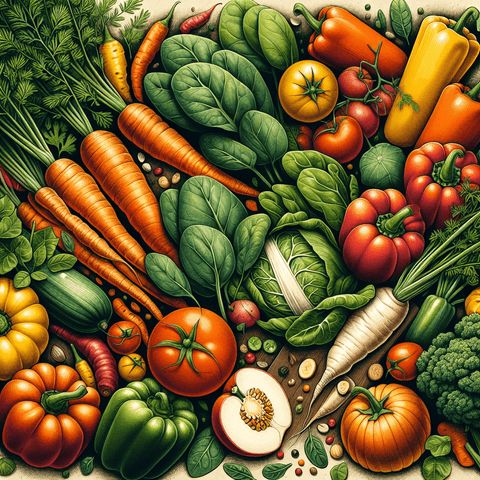
Leafy green vegetables are one of the most versatile and widely available food groups. From mild lettuce to peppery arugula and hearty kale, these greens appear in cuisines around the world and can be eaten raw or cooked in many different ways. This guide offers a broad overview of what green leafy vegetables are, which types are most common, why they can be a useful part of everyday eating, and how to choose, store, and prepare them.
What Are Green Leafy Vegetables?
Green leafy vegetables are plants grown primarily for their edible leaves and sometimes their stems. They belong to a wide range of botanical families, which is why their flavors, textures, and nutrient profiles can differ so much. Some are mild and crisp, such as romaine lettuce and iceberg lettuce. Others are bold and peppery, like arugula and watercress. Some become tender when cooked, such as spinach and Swiss chard, while collard greens and kale hold up well to longer cooking methods.
The term "leafy greens" is not a strict scientific category. It is a culinary and nutritional grouping that helps organize shopping, cooking, and meal planning. Common examples include spinach, kale, romaine, arugula, Swiss chard, collard greens, mustard greens, bok choy, watercress, and turnip greens. Lesser-known options include mizuna, tatsoi, purslane, and dandelion greens. Each has its own character, so experimenting with different types can add variety to your meals.
Top Green Leafy Vegetables to Know
There are many green leafy vegetables, and they can be grouped in several ways. One helpful approach is to consider how they are typically used in the kitchen, as this can guide both shopping and preparation.
Tender Greens for Salads and Light Cooking
These greens are often eaten raw or lightly cooked. They tend to have a high water content and a delicate texture.
- Lettuce (romaine, leaf, butterhead, iceberg)
- Spinach
- Arugula
- Watercress
- Mâche (corn salad)
Hearty Greens for Cooking
These greens have sturdier leaves and stems. They can be sautéed, braised, steamed, or added to soups and stews.
- Kale (curly, lacinato, red)
- Collard greens
- Swiss chard
- Mustard greens
- Turnip greens
- Bok choy
- Broccoli rabe (rapini)
Less Common but Worth Exploring
Beyond the familiar options, many other leafy greens are used in different culinary traditions. These can add new flavors and textures to your cooking.
- Mizuna
- Tatsoi
- Purslane
- Dandelion greens
- Amaranth greens
Nutritional Highlights of Green Leafy Vegetables
Green leafy vegetables are often included in discussions about healthy eating because they can contribute a range of nutrients. However, the exact nutritional content varies widely depending on the specific type. Some greens are notable sources of vitamin K, vitamin A (from beta-carotene), vitamin C, folate, calcium, iron, and fiber. They also contain water and small amounts of protein and carbohydrates.
For example, spinach and kale are frequently highlighted for their vitamin K and vitamin A content. Romaine lettuce provides some vitamin A and folate, while arugula offers vitamin K and calcium. Collard greens and bok choy are also sources of calcium and vitamin K. These nutrients play roles in normal body functions such as blood clotting, bone maintenance, vision, and immune support. As with all foods, the overall diet matters most, and leafy greens are best enjoyed as part of a varied pattern of eating.
For those interested in broader nutritional support, Topvitamine offers guides on related topics such as vitamin K benefits for bone and blood health and vitamin A sources and safety. These resources can provide additional context on nutrients commonly associated with leafy greens.
How to Choose and Store Green Leafy Vegetables
Choosing fresh greens and storing them properly can make a noticeable difference in both taste and texture. Here are some practical guidelines.
What to Look For
- Vibrant, consistent color without significant yellowing or browning.
- Crisp leaves that are not wilted, slimy, or excessively dry.
- Firm stems and a fresh, mild scent.
- For packaged greens, check the expiration date and ensure the leaves are not clumped together or discolored.
Storing for Freshness
Most leafy greens keep best in the refrigerator. Excess moisture can lead to spoilage, so it helps to wrap greens loosely in a clean towel or place them in a perforated bag. Some delicate greens, like spinach and arugula, may last only a few days, while heartier options like kale and collards can last a week or more. Wash greens just before using them rather than before storing, as added moisture can speed up decay.
Ways to Enjoy Green Leafy Vegetables
One of the best things about leafy greens is their flexibility. They can be incorporated into meals at any time of day and in many different cuisines.
- Raw in salads, sandwiches, and wraps.
- Sautéed with garlic, olive oil, and a pinch of salt.
- Steamed or braised as a side dish.
- Blended into smoothies for a nutrient boost.
- Added to soups, stews, curries, and pasta dishes.
- Baked into chips or used as a topping for pizzas and flatbreads.
Pairing greens with a source of fat, such as olive oil, nuts, or seeds, can enhance flavor and may help with the absorption of certain fat-soluble vitamins. Adding acid, like lemon juice or vinegar, can brighten their taste. Experimenting with herbs, spices, and aromatics can keep meals interesting.
Practical Tips for Everyday Use
If you are looking to include more leafy greens in your routine, a few simple strategies can help.
- Keep a few varieties on hand so you can mix textures and flavors.
- Prep greens in advance by washing and chopping them for quick use.
- Add a handful of greens to dishes you already make, such as scrambled eggs, soups, or smoothies.
- Try one new green each week to discover new favorites.
Exploring Further
Leafy green vegetables are a broad and varied group, and there is always more to learn. Whether you are curious about specific nutrients, looking for recipe ideas, or interested in how greens fit into a balanced diet, exploring different resources can deepen your understanding. For those who want to learn about general nutrition and supplement topics, the mineral supplements guide covers iron, zinc, and other minerals often discussed alongside leafy greens. Additionally, the superfoods guide provides context on how certain foods and nutrients are evaluated. These resources can complement what you learn here and help you make informed choices.
This page is intended for general information and does not replace personalized advice from a qualified healthcare professional. If you have specific dietary concerns or health conditions, consider consulting a healthcare provider before making significant changes to your diet.