
Leafy greens form a broad family of vegetables whose leaves carry color, texture, and character across cuisines. From kale and spinach to chard, bok choy, and various lettuce varieties, leafy greens offer a spectrum that can be bold or delicate. This page centers on leafy greens, exploring how these plants appear in markets, gardens, and everyday cooking, and how they can illuminate a plate with contrast and depth. Practical tips for leafy greens cover selection, washing, and storage. Look for leaves that are vibrant and free from blemishes, rinse thoroughly with cool water, and spin or pat dry to remove water. For longer freshness, wrap greens in a damp cloth and store them in a breathable container or crisper drawer. Some varieties benefit from trimming thicker stems or separating leaves before use to ensure even cooking and handling. Leafy greens invite a range of kitchen uses. They can anchor a salad or serve as a bright bed for other ingredients, be sautéed lightly for texture, folded into wraps, or tucked into grain bowls and soups. Try pairing leafy greens with citrus zest or juice, nuts and seeds for crunch, or fresh herbs to lift aroma. The versatility of leafy greens makes it easy to experiment with textures, colors, and flavor harmony. This page highlights seven surprising angles related to leafy greens, from seasonal rhythms to culinary traditions and growing methods. Read now to delve into the world of leafy greens and discover ideas, tips, and inspiration for everyday meals.
Leafy Greens: 7 Surprising Benefits for Your Health
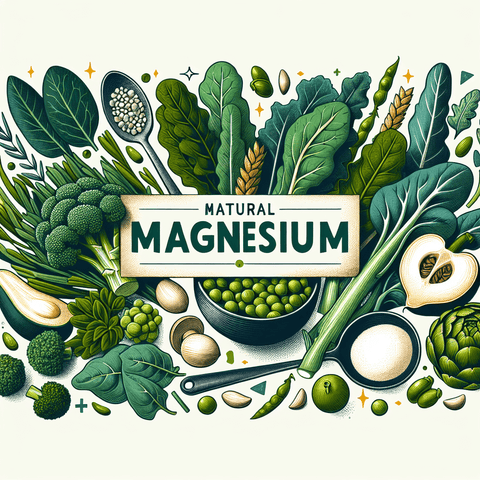
Which Vegetables Are Highest in Magnesium?When it comes to dietary magnesium vegetables, leafy greens lead the way. Spinach provides about 157 mg of magnesium per cooked cup, while Swiss chard offers around 150 mg. Other vegetables like artichokes (77 mg per medium artichoke), green peas (62 mg per cup), okra (57 mg per cup), and broccoli (33 mg per cup) also contribute meaningful amounts. These vegetables are not only rich in magnesium but also provide fiber, vitamins, and antioxidants that support overall health.How to Boost Magnesium Absorption from VegetablesTo maximize the magnesium you get from vegetables, pay attention to preparation. Steaming leafy greens like spinach and Swiss chard can help reduce oxalates that may interfere with magnesium absorption. Avoid long boiling, which can leach minerals into the cooking water. Pairing magnesium-rich vegetables with other nutrient-dense foods, such as legumes or seeds, can further enhance your intake and support a balanced diet.Practical Tips for Adding More Magnesium-Rich VegetablesMeeting your daily magnesium needs through vegetables is achievable with simple meal planning. Aim for a variety of magnesium-packed vegetables each day. For example, a smoothie with spinach at breakfast, a quinoa salad with kale at lunch, and a stir-fry with broccoli and Swiss chard at dinner can easily contribute over 400 mg of magnesium. For individuals with higher needs or dietary restrictions, consulting a healthcare professional about supplements may be beneficial.

Discover the best vitamin C-rich foods for supporting immunity, collagen production, antioxidant protection, and overall health. This guide highlights vitamin C in fruits and vegetables, including citrus fruits, kiwi fruit, and tropical fruits such as guava, papaya, pineapple, and mango. It also explores vitamin C in vegetables, with bell peppers and leafy greens like kale and spinach offering especially high levels. Learn how food highest in vitamin C compares with supplements, why whole foods provide fiber and beneficial phytonutrients, and how raw, lightly cooked, or fresh preparation helps preserve vitamin C content. Practical serving suggestions make it easier to meet daily needs naturally.