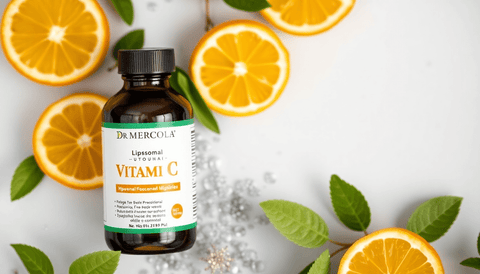
What Is Liposomal Vitamin C?
Vitamin C is one of the most well-known nutrients, but not all forms are absorbed equally. Liposomal vitamin C represents an advanced delivery system designed to improve how much of this essential nutrient your body can actually use. Unlike standard vitamin C supplements, liposomal versions encase the vitamin in tiny fat bubbles called liposomes, which may help protect it from breakdown in the digestive tract and facilitate better absorption.
This article explains how liposomal vitamin C works, what the research says about its benefits, how it differs from conventional forms, and what to consider if you're thinking about adding it to your routine.
Liposomes Explained: A Quick Overview
Liposomes are microscopic spheres made of phospholipids, the same type of fats that make up your cell membranes. These spheres can encapsulate nutrients like vitamin C, creating a protective barrier around them. The term "liposomal" comes from these lipid-based structures—they are essentially tiny delivery vehicles designed to carry nutrients through the digestive environment more efficiently.
Because the liposome shell resembles your body's own cell membranes, it can merge with cells more easily. This characteristic is what makes liposomal delivery technology intriguing for nutrient absorption, since it may bypass some of the barriers that typically limit how much vitamin C your body can absorb from standard oral supplements.
How Liposomal Vitamin C Differs From Standard Vitamin C
Standard vitamin C supplements, such as ascorbic acid, are water-soluble molecules that dissolve in stomach fluid. Your gut can only absorb a limited amount of vitamin C at one time, and the rest is simply excreted through urine or stool. This is why high doses of regular vitamin C often result in low absorption rates beyond a certain threshold.
Liposomal vitamin C, by contrast, wraps the nutrient in a fat-based coating. This coating may protect the vitamin C from oxidation and degradation in the digestive tract, allowing more of it to reach the intestinal lining intact. Once there, liposomes can be absorbed through different pathways, potentially delivering more vitamin C into the bloodstream than standard forms at equal doses.
Key Terminology: Bioavailability, Encapsulation, and Phospholipids
Understanding a few key terms helps clarify why liposomal vitamin C receives so much attention:
- **Bioavailability** refers to the proportion of a nutrient that enters circulation and produces an active effect. Higher bioavailability means your body uses more of what you consume.
- **Encapsulation** is the process of enclosing a nutrient inside a protective structure, such as a liposome. This protects the nutrient during digestion and may improve how much reaches your cells.
- **Phospholipids** are fat molecules that make up liposome shells. They are naturally present in foods like eggs and soybeans and are recognized as safe food ingredients.
These three concepts form the basis for understanding why liposomal vitamin C benefits may differ from those of conventional supplements.
The Science Behind Liposomal Vitamin C Benefits
How Liposomal Delivery Enhances Absorption
The digestive tract presents multiple barriers to nutrient absorption. Vitamin C is water-soluble and relies on specific transport proteins in the intestinal wall to enter the bloodstream. These transporters become saturated at certain concentrations, meaning absorption plateaus even if you take more vitamin C.
Liposomal delivery may bypass this saturation problem. The liposome structure allows vitamin C to travel through the digestive tract differently, potentially being absorbed directly through the intestinal membrane or through lymphatic pathways that standard vitamin C does not use as readily. Research suggests this may lead to higher plasma vitamin C levels compared to equivalent doses of regular ascorbic acid, though the exact degree of improvement can vary depending on the product quality and individual physiology.
What the Research Says About Liposomal vs. Regular Vitamin C
Several studies have compared liposomal and non-liposomal vitamin C absorption. One notable study found that liposomal vitamin C produced significantly higher blood concentrations than ascorbic acid at the same dose. Participants taking liposomal forms achieved peak plasma levels that were roughly double those achieved with standard vitamin C.
Other research has investigated whether liposomal vitamin C can raise plasma levels more effectively than oral ascorbic acid at lower doses. While results are promising, the scientific literature is still developing. Some research indicates that liposome size, phospholipid composition, and manufacturing methods significantly influence outcomes, meaning not all liposomal products perform equally.
Why Higher Absorption Matters for Immune Function
Vitamin C plays multiple roles in immune health. It supports the function of various immune cells, helps protect cells from oxidative stress, and contributes to the skin's barrier function. These activities depend on vitamin C being available in tissues at adequate concentrations.
Since blood plasma concentrations directly influence tissue delivery, improving absorption may allow more vitamin C to reach immune cells, skin tissue, and other sites where it performs its functions. This is particularly relevant for people who want to support their immune system without needing extremely high oral doses that often cause digestive discomfort.
Potential Health Benefits of Liposomal Vitamin C
Supporting Immune System Defenses
Vitamin C accumulates in immune cells like neutrophils and lymphocytes, where it supports their function and protects them from oxidative damage. Research indicates that adequate vitamin C levels are necessary for optimal immune responses, particularly during periods of physical stress or increased immune demand.
Liposomal vitamin C's enhanced absorption means that more of the nutrient may be available to these immune cells. For people who struggle with conventional vitamin C absorption limits, the liposomal form may offer practical advantages in maintaining robust immune support, especially during cold-and-flu season or periods of heavy exercise.
Antioxidant Protection and Cellular Health
Vitamin C is one of the body's primary water-soluble antioxidants. It neutralizes free radicals, which are unstable molecules that can damage cellular structures if left unchecked. This antioxidant activity is central to many of the vitamin's roles in maintaining overall health.
The intracellular protection vitamin C provides is particularly important because free radicals can damage DNA, proteins, and cell membranes, which contributes to cellular aging and dysfunction. Higher bioavailability may allow vitamin C to reach intracellular spaces more effectively, potentially bolstering cellular antioxidant defenses beyond what standard supplements achieve.
Collagen Production and Skin Health
Vitamin C is a required cofactor for collagen synthesis, the process by which your body forms collagen, a structural protein found in skin, blood vessels, tendons, and connective tissue. Without sufficient vitamin C, collagen production becomes impaired, which can affect wound healing and skin integrity.
The liposomal delivery may be particularly relevant here because vitamin C must reach cells called fibroblasts, which produce collagen, at adequate concentrations. Enhanced absorption could theoretically improve the availability of vitamin C for these processes, though direct research specifically on liposomal vitamin C and collagen health remains limited.
Iron Absorption and Energy Metabolism
Vitamin C enhances the absorption of non-heme iron, the form found in plant-based foods and iron supplements. By keeping iron in a reduced state, vitamin C helps it pass through the intestinal wall more easily. This is particularly important for individuals following vegan or vegetarian diets.
Adequate iron levels are essential for oxygen transport in the blood, which directly impacts energy levels and physical performance. While liposomal vitamin C's enhanced absorption may indirectly support better iron utilization, this benefit is not specific to the liposomal form—any vitamin C source can enhance iron absorption when consumed together with iron-containing foods or supplements.
Who Might Consider Liposomal Vitamin C?
Individuals with Digestive Sensitivities to Standard Vitamin C
Standard high-dose vitamin C can cause stomach cramps, nausea, and diarrhea because it draws water into the digestive tract, especially when consumed in large amounts. Ascorbic acid is also acidic, which may aggravate sensitive stomachs regardless of dosage.
Liposomal vitamin C may represent a gentler alternative due to its encapsulated delivery. The liposome shell may reduce direct contact between vitamin C and the stomach lining, potentially lowering the likelihood of digestive irritation. However, individual tolerance varies, so starting with a small dose and gradually increasing is always advisable.
People Seeking Higher Doses with Less Gastrointestinal Discomfort
Because liposomal delivery may improve absorption, some people can achieve higher blood vitamin C levels with lower doses than they would need from standard supplements. This is valuable for individuals who want to maintain higher vitamin C status without the gastrointestinal side effects associated with large oral ascorbic acid doses.
It is worth noting that research on the maximum tolerated dose differs between liposomal and regular forms. Some studies suggest that liposomal vitamin C can be taken at higher doses with fewer digestive issues, though upper limits still apply for long-term use.
Those with Increased Nutrient Needs Due to Lifestyle or Stress
Various factors can increase vitamin C requirements, including chronic stress, smoking, heavy alcohol consumption, intense physical training, and exposure to environmental pollutants. These situations increase oxidative stress or deplete vitamin C stores more rapidly, meaning your body needs more of this nutrient to maintain normal function.
For individuals in these situations, improving vitamin C absorption through liposomal delivery may help meet higher daily requirements without needing to consume extremely high oral doses. However, it's important to also address lifestyle factors and improve dietary intake of vitamin C-rich foods as a foundation.
Liposomal Vitamin C vs. Other Forms
Liposomal vs. Ascorbic Acid
Ascorbic acid is the most common and economical form of vitamin C. It is effective for correcting deficiency and supporting general health at moderate doses. However, its absorption is limited at higher doses, and some people experience gastrointestinal discomfort.
Liposomal vitamin C offers potential advantages in absorption efficiency and gastrointestinal tolerability. If you're currently taking high doses of ascorbic acid and struggling with digestive issues, a liposomal form may be worth discussing with a healthcare professional.
Liposomal vs. Sodium Ascorbate and Mineral Ascorbates
Sodium ascorbate and other mineral ascorbates are buffered forms of vitamin C, meaning they are less acidic than ascorbic acid. This makes them gentler on the stomach while still providing vitamin C in a bioavailable form.
Mineral ascorbates are ionized salts that still rely on the same intestinal transporters as ascorbic acid, so they have similar absorption saturation limits. Liposomal vitamin C may bypass this transport saturation differently, though direct comparative research between these forms is limited.
Liposomal vs. Whole-Food Vitamin C
Whole-food vitamin C products contain vitamin C in a complex matrix of nutrients, bioflavonoids, and other compounds found in foods. These products may offer additional benefits from the accompanying plant compounds, though total vitamin C content varies widely between products.
Whole-food sources are excellent for supporting overall nutrition, but if you require targeted, high-dose vitamin C supplementation for specific reasons, liposomal forms may deliver higher concentrations more reliably. Both forms have merit, and the best choice depends on your specific needs, budget, and preferences.
Potential Side Effects and Safety Considerations
Common Side Effects and How to Manage Them
Even with improved delivery, liposomal vitamin C can still cause side effects at high doses. These may include:
- Nausea or stomach upset
- Diarrhea
- Abdominal cramping
- Headache
These side effects are typically dose-dependent. Reducing the dose often resolves them. Taking liposomal vitamin C with food may also help minimize digestive discomfort. Other side effects of very high vitamin C intake can include iron overload in susceptible individuals, especially those with hemochromatosis.
Upper Intake Limits You Should Know
The European Food Safety Authority (EFSA) and other health organizations have established upper intake limits for vitamin C to prevent adverse effects. For healthy adults, the tolerable upper intake level is generally set at 2,000 mg per day (2 grams).
This upper limit applies to all forms of vitamin C supplementation, including liposomal formulations. Intakes above this level may cause significant digestive distress and other side effects. It's important to remember that higher doses do not necessarily mean better results, especially since liposomal forms may be absorbed more efficiently.
Is Liposomal Vitamin C Safe for Long-Term Use?
Vitamin C is a water-soluble vitamin, meaning excess amounts are generally excreted through the kidneys rather than stored in fat tissue. At reasonable doses, long-term use of liposomal vitamin C is considered safe for most healthy individuals.
However, because liposomal vitamin C may achieve higher blood concentrations at lower doses, it is especially important not to exceed recommended intakes. Long-term high-dose supplementation should be supervised by a qualified healthcare professional, particularly if you have underlying health conditions or take medications.
Interactions and Precautions
Medication Interactions to Be Aware Of
Vitamin C can interact with certain medications by either altering their absorption, metabolism, or effect. Potential interactions include:
- **Aluminum-containing antacids**: Vitamin C can increase aluminum absorption.
- **Chemotherapy drugs**: High antioxidant intake may interfere with certain chemotherapy agents, though evidence is mixed and individualized guidance is necessary.
- **Warfarin**: Very high vitamin C doses may affect how this blood thinner works, potentially altering its effectiveness.
- **Estrogen-based medications**: Vitamin C may influence estrogen levels, though research is still limited.
If you take any prescription medication, discuss vitamin C supplementation with your doctor or pharmacist before starting.
Considerations for People with Kidney Conditions
High vitamin C intake increases oxalate production in the body. Oxalate can combine with calcium to form kidney stones in susceptible individuals. People with a history of kidney stones, or those with impaired kidney function, should be cautious with high-dose vitamin C supplementation.
The improved absorption of liposomal vitamin C might mean you can achieve adequate vitamin C status with lower doses, which could be advantageous for kidney health. However, clinical guidance from a nephrologist is essential before starting supplementation.
Guidance for Pregnancy and Breastfeeding
Vitamin C requirements increase during pregnancy and breastfeeding, and the recommended intake is higher than for non-pregnant women. Adequate vitamin C is essential for both maternal health and fetal development.
While standard prenatal supplements usually contain sufficient vitamin C, high-dose supplements beyond the recommended amount should only be taken under medical supervision during pregnancy. There is insufficient research specifically on liposomal vitamin C during pregnancy, so it is prudent to stick with well-studied conventional forms unless your healthcare provider advises otherwise.
How to Choose a High-Quality Liposomal Vitamin C Supplement
What to Look for on the Label
Not all products labeled "liposomal" are created equally. Look for the following on the supplement label:
- Clear indication of vitamin C content per serving
- Specific mention of liposomal delivery technology
- Phospholipid source and content
- Third-party testing certification
- Transparent manufacturing practices
- No unnecessary additives or preservatives
Phospholipid content is particularly important because a genuine liposomal product should contain enough phospholipids to actually form stable liposomes that encapsulate the vitamin C.
Understanding Phospholipid Content and Delivery Technology
The ratio of vitamin C to phospholipids significantly affects liposome formation and stability. Products with insufficient phospholipid content may effectively be regular vitamin C with added fats rather than true liposomal formulations.
High-quality products typically list the phospholipid concentration and may disclose details about the liposome manufacturing method. PC (phosphatidylcholine) derived from sunflower or soy is a common phospholipid source. If the label does not provide this information, it's reasonable to contact the manufacturer before purchasing.
Forms Available: Liquid, Capsules, and Powders
Liposomal vitamin C is available in several formats:
- **Liquid**: Often absorbed quickly, but may have a shorter shelf life and require refrigeration.
- **Capsules**: Convenient and have a longer shelf life, but liposome integrity may be less consistent.
- **Powders**: Offer flexibility in dosing, though you need to mix them properly and consume immediately.
Each format has advantages and disadvantages. Liquid forms often deliver better liposome stability, while capsules are more convenient for travel. Pouch packaging for liquids can help extend shelf life by preventing oxidation.
Recommended Intake and Usage Guidelines
Typical Dosing for General Wellness
For general health maintenance, vitamin C recommendations vary by country, but most guidelines suggest:
- **100–200 mg per day** for healthy adults from all sources combined
- **Higher amounts** during times of increased oxidative stress, illness recovery, or heavy training
When using liposomal vitamin C, smaller doses may suffice compared to regular supplements due to improved absorption. A common approach is starting with 250–500 mg daily and adjusting based on your response and needs.
How to Incorporate Liposomal Vitamin C Into Your Routine
Liposomal vitamin C can be a practical addition to your daily supplement routine. It combines well with other fat-soluble nutrients because the liposome shell is lipid-based. Taking it alongside meals containing some healthy fats can support optimal absorption.
Consistency matters more than the precise timing. Whether you take it in the morning or evening, the important thing is taking it regularly, as vitamin C levels in the blood are tightly regulated and returning to baseline within 24–48 hours after discontinuation.
When and How to Take It for Best Results
To optimize the benefits of liposomal vitamin C:
- Take it consistently, preferably at the same time each day
- Consider splitting your daily dose into two smaller doses
- Store liquid forms properly according to manufacturer instructions
- If using powder forms, follow the mixing instructions carefully
- Monitor your body's response and adjust accordingly
Keep in mind that your individual response depends on your current vitamin C status, dietary intake, overall health, and lifestyle factors.
The Bottom Line: Is Liposomal Vitamin C Worth It?
Key Takeaways on Liposomal Vitamin C Benefits
Liposomal vitamin C offers a more sophisticated approach to vitamin C supplementation. By encapsulating the nutrient in lipid-based spheres, this delivery technology may bypass some absorption limitations of standard oral supplementation, allowing more vitamin C to reach your bloodstream and tissues.
The science suggests genuine benefits for enhancing absorption, particularly at moderate doses. For individuals who want to support their immune system, maintain optimal vitamin C levels, or experience digestive sensitivity to regular forms, liposomal vitamin C could be a worthwhile consideration.
How to Decide If It's Right for You
Before purchasing liposomal vitamin C, evaluate your current situation:
- Assess your vitamin C intake through your diet first
- Consider whether you experience digestive issues with standard supplements
- Think about your specific health goals and why you want additional vitamin C
- Compare the cost of liposomal products to standard forms
- Review your overall supplement budget and priorities
If you consistently consume vitamin C-rich foods—such as citrus fruits, bell peppers, berries, and leafy greens—and feel well, additional supplementation may not be necessary. If you're seeking enhanced immune support during specific seasons or periods of high stress, liposomal vitamin C could be a valid addition.
When to Consult a Healthcare Professional
You should discuss vitamin C supplementation with a qualified healthcare professional if you:
- Have kidney disease or a history of kidney stones
- Take prescription medications
- Are pregnant or breastfeeding
- Have been diagnosed with hemochromatosis or iron overload disorders
- Are considering very high doses for therapeutic purposes
- Have ongoing digestive symptoms that may affect nutrient absorption
A blood test can help determine your baseline vitamin C status, which is more informative than guessing based on symptoms alone. Healthcare professionals can offer personalized guidance that accounts for your full health picture.
Key Takeaways
- Liposomal vitamin C uses phospholipid-based delivery technology to enhance absorption compared to standard forms of vitamin C.
- Research indicates liposomal vitamin C can produce higher blood concentrations than ascorbic acid at equivalent doses.
- Enhanced absorption may support immune function, antioxidant protection, collagen production, and iron utilization more effectively.
- People with digestive sensitivities to standard vitamin C often tolerate liposomal forms better.
- Food should remain the primary source of vitamin C, with supplementation considered only when dietary intake is inadequate or needs are increased.
- Upper intake limits still apply to liposomal products—more is not always better.
- Product quality varies significantly; look for transparent labels and third-party testing when selecting a supplement.
- Individual needs vary based on diet, lifestyle, stress levels, age, and health status.
Frequently Asked Questions
What is liposomal vitamin C, and how is it different from regular vitamin C?
Liposomal vitamin C contains vitamin C enclosed within phospholipid bilayers, which are similar to cell membranes. This encapsulation may protect the nutrient during digestion and improve absorption compared to regular ascorbic acid, which is absorbed through traditional intestinal transporters with saturation limits.
Is liposomal vitamin C better absorbed than regular vitamin C?
Research suggests that liposomal vitamin C may achieve higher plasma concentrations than regular vitamin C at the same dose. One study showed approximately double the peak blood levels compared to ascorbic acid, though outcomes depend on the quality of the liposome formulation and individual variability.
What are the main liposomal vitamin C benefits?
The main potential benefits include enhanced absorption, reduced gastrointestinal discomfort at higher doses, improved immune support, better antioxidant protection, and more efficient tissue delivery. Because liposomal vitamin C may allow lower doses to achieve equivalent blood levels, it can be particularly useful for individuals with sensitive digestive systems.
Can liposomal vitamin C support immune health?
Yes. Vitamin C supports various immune functions, including the activity of white blood cells and the maintenance of the skin barrier. The enhanced absorption of liposomal vitamin C may allow more of this nutrient to reach immune cells, potentially supporting immune resilience more effectively than conventional forms.
Can I take liposomal vitamin C on an empty stomach?
Taking liposomal vitamin C with food generally helps reduce any potential digestive upset. While the liposome shell may minimize direct irritation, eating a meal that contains some fat can support optimal absorption of the lipid-based delivery system.
Does liposomal vitamin C cause stomach upset?
Liposomal vitamin C is often better tolerated than regular vitamin C at equivalent doses. However, high doses can still cause digestive symptoms like nausea or diarrhea in some individuals. Starting with a lower dose and gradually increasing is the best way to find your personal tolerance level.
How much liposomal vitamin C should I take per day?
For general wellness, a dose of 250–500 mg per day may be sufficient for many adults, especially considering the enhanced absorption compared to standard forms. Individual requirements vary based on dietary intake, stress levels, exercise volume, and overall health. Your healthcare provider can offer tailored guidance.
What foods are high in vitamin C?
Excellent food sources of vitamin C include red bell peppers, oranges and other citrus fruits, kiwi fruit, broccoli, Brussels sprouts, strawberries, guava, and leafy green vegetables. Cooking can reduce vitamin C content, so eating these foods raw or lightly cooked preserves more of the nutrient.
Can liposomal vitamin C help prevent colds?
Vitamin C cannot prevent the common cold, but research indicates that regular supplementation may slightly shorten symptom duration and reduce severity. The enhanced absorption of liposomal vitamin C may make it a practical option for supporting immune function during cold season, though results vary between individuals.
Is liposomal vitamin C safe for children?
Vitamin C requirements for children are lower than for adults, and most children can meet their needs through diet alone. If supplementation is considered, a healthcare professional should determine appropriate dosing based on the child's age, weight, and specific needs. Liposomal forms are not inherently unsafe for children but require proper dosing.
Can I take liposomal vitamin C with other supplements?
Liposomal vitamin C can generally be taken alongside other supplements, particularly those containing iron or plant-based iron sources, since vitamin C enhances iron absorption. If you take medications or have existing health conditions, check with your healthcare provider to prevent potential nutrient-nutrient or drug-nutrient interactions.
How should I store liposomal vitamin C?
Storage instructions depend on the formulation. Liquid liposomal vitamin C typically requires refrigeration after opening and should be consumed before the expiry date. Capsules and powders can usually be stored in a cool, dry place away from direct sunlight. Always follow the manufacturer's storage guidelines.
Related Keywords
- liposomal vitamin c benefits
- liposomal vitamin c absorption
- liposomal vs regular vitamin c
- liposomal vitamin c immune support
- vitamin c bioavailability
- liposomal delivery system
- vitamin c for skin health
- liposomal vitamin c dosage
- vitamin c antioxidant properties
- liposomal vitamin c side effects
- vitamin c for collagen production
- liposomal vitamin c for digestive sensitivity