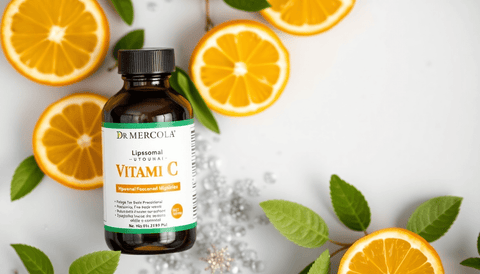
When comparing liposomal vs regular vitamin C, the central question is simple: does wrapping ascorbic acid in tiny fat-based vesicles meaningfully improve how much vitamin C your body actually absorbs? This article explains what liposomal delivery is, how standard ascorbic acid is digested and absorbed, what the research says about bioavailability, and who may genuinely benefit from a liposomal form. You will also learn why food should come first, how to recognize potentially inadequate intake, and how to weigh cost, tolerance, and label quality when deciding which form suits your needs.
What Does “Liposomal Vitamin C” Actually Mean?
Liposomal vitamin C is ascorbic acid enclosed within microscopic spheres called liposomes. These spheres are made of phospholipids — the same class of fat molecules found in cell membranes. The idea behind liposomal delivery is that the fat-based shell protects the vitamin C from degradation in the digestive tract and may help it pass through the intestinal barrier more efficiently than unencapsulated ascorbic acid.
How Liposomal Delivery Works
Liposomes are typically produced by mixing phospholipids with vitamin C under controlled conditions, so that aqueous pockets of ascorbic acid are surrounded by a lipid bilayer. In theory, this shield reduces exposure of the vitamin to stomach acid and digestive enzymes, and may allow some of the nutrient to be taken up by intestinal cells through routes other than the standard vitamin C transporters. The quality of a liposomal product depends heavily on the manufacturing process, since liposomes vary widely in size, stability, and how much vitamin C they actually encapsulate versus carry on the outside.
How Ascorbic Acid Differs From Liposomal Vitamin C
Regular vitamin C supplements are essentially pure ascorbic acid (or mineral salts such as sodium ascorbate). Ascorbic acid is water-soluble, inexpensive, and well studied, but its absorption follows a specific physiological pattern that becomes limiting at high doses. Liposomal formulations attempt to bypass or reduce those limitations. In practice, both forms deliver the same active nutrient — the difference lies in the delivery system, not the vitamin itself.
What Is the Difference Between Liposomal and Regular Vitamin C?
Bioavailability and Absorption Rates
Bioavailability describes the proportion of an ingested nutrient that reaches the bloodstream in a usable form. For regular vitamin C, bioavailability is high at low to moderate doses and drops as the dose increases. Some small studies suggest liposomal formulations can produce higher plasma vitamin C concentrations than the same dose of plain ascorbic acid, particularly at larger doses. However, the evidence base is limited, studies vary in design and product quality, and improvements in blood levels do not automatically translate into proven differences in health outcomes.
Liposomal Encapsulation vs. Standard Digestion
With regular ascorbic acid, absorption depends on specialized transport proteins in the intestine. Once those transporters reach capacity, extra vitamin C is largely not absorbed and passes into the colon, where higher doses can draw water and cause digestive complaints. Liposomal encapsulation is designed to bypass part of this bottleneck by protecting the vitamin and potentially facilitating uptake through additional pathways. Whether this happens efficiently depends on the integrity of the liposomes, which can be disrupted by stomach acid, digestive enzymes, and bile.
How Well Does Your Body Absorb Regular Vitamin C?
Regular vitamin C is absorbed remarkably well — under everyday conditions. At typical dietary doses (roughly 30–180 mg per occasion), absorption rates of 70–90 percent are commonly cited. The limitations only become relevant at higher supplemental doses.
The Saturation Limit of Vitamin C
Vitamin C absorption follows a dose-dependent, saturable pattern. Research by Mark Levine and colleagues at the NIH showed that plasma concentrations plateau as oral doses increase above roughly 200 mg at a time, with absorption efficiency falling progressively at doses of 500 mg, 1,000 mg, and above. In other words, taking 1,000 mg of regular vitamin C at once does not deliver twice the absorbed amount of 500 mg. The body also tightly regulates excess vitamin C through kidney excretion, which further limits how much can accumulate.
Factors That Limit Regular Vitamin C Absorption
- Dose size: Larger single doses are absorbed proportionally less efficiently than smaller, divided doses.
- Intestinal transport capacity: Transporter saturation is the main physiological bottleneck for unencapsulated ascorbic acid.
- Gastrointestinal conditions: Certain digestive disorders, surgery, or intestinal inflammation may reduce absorption.
- Heat and storage: Vitamin C degrades with prolonged cooking and long storage, affecting dietary intake rather than supplements.
- Smoking and oxidative stress: Smokers have increased vitamin C requirements and often lower blood levels at the same intake.
How Much Vitamin C Can the Body Absorb From Liposomal Supplements?
What the Research Says About Liposomal Absorption
A frequently cited study by Davis and colleagues compared liposomal vitamin C with plain ascorbic acid and intravenous vitamin C. It found that the liposomal formulation produced higher circulating vitamin C concentrations than an equivalent oral dose of regular ascorbic acid, and that liposomes were better tolerated at high doses by participants who experienced digestive upset with plain vitamin C. Other small studies have reported mixed or modest differences. Important caveats apply: most studies are small, often industry-influenced, use products of varying quality, and measure short-term blood levels rather than long-term clinical benefits. A reasonable interpretation is that a well-made liposomal product may modestly increase absorbed amounts, especially at high doses, but does not transform vitamin C into a different or medically superior nutrient.
Who May Benefit From Liposomal Vitamin C?
People Who Experience Digestive Upset With High Doses
Unabsorbed vitamin C is osmotically active in the gut, which is why doses above roughly 1–2 grams at a time can cause bloating, cramping, or loose stools in sensitive individuals. If you need or choose to take higher doses, a liposomal form may be gentler on the digestive tract, as some encapsulated vitamin C may avoid the osmotic effect of free ascorbic acid in the colon.
Individuals With Higher Vitamin C Needs
Some situations increase vitamin C requirements, including smoking, regular intense physical activity, pregnancy and breastfeeding (within established intake recommendations), illness, and low dietary intake of fruits and vegetables. For most people, food plus a standard supplement easily meets these needs; higher-dose or liposomal products are situation-specific rather than routine.
Those With Reduced Absorption Capacity
People with malabsorptive conditions, inflammatory bowel disease, short bowel syndrome, or a history of certain gastrointestinal surgeries may absorb less vitamin C from any form. For these individuals, a formulation designed to enhance absorption may be worth discussing with a healthcare provider, alongside proper assessment of actual nutritional status rather than guesswork.
Food Sources of Vitamin C: Why Diet Comes First
Vitamin C is abundant in everyday foods, and for most people diet alone meets the recommended intake without difficulty. A varied intake of fruits and vegetables provides not only vitamin C but also fiber, flavonoids, and other nutrients that work in concert.
Best Dietary Sources of Vitamin C
- Citrus fruits (oranges, grapefruit, lemons)
- Kiwi, strawberries, and other berries
- Bell peppers — among the richest sources of all
- Broccoli, Brussels sprouts, and other cruciferous vegetables
- Blackcurrants, rosehips, and acerola cherries
- Potatoes and tomatoes (modest but consistent contributors)
Can You Reach Vitamin C Saturation Through Food Alone?
Yes. Research indicates that plasma vitamin C reaches near-saturation with intakes of around 200 mg per day or more from combined food and supplement sources — an amount easily achieved through a diet rich in fresh produce. This is a key point in the liposomal vs regular vitamin C debate: once blood levels are saturated, the delivery system offers little practical advantage for everyday needs. Liposomal products mainly become relevant when doses above roughly 500–1,000 mg are specifically desired.
Signs That Your Vitamin C Intake May Be Inadequate
Mildly low vitamin C intake often causes no obvious symptoms, which makes it easy to underestimate. Groups with lower average intakes include people who eat few fruits and vegetables, smokers, people with restrictive diets, older adults with limited appetite or cooking capacity, and those with chronic illness or alcohol use.
Dietary and Lifestyle Factors That Can Lead to Low Intake
- Low consumption of fresh fruit and vegetables
- Smoking, which increases vitamin C turnover
- Prolonged reliance on heavily processed foods
- Cooking methods that destroy vitamin C, such as long boiling
- Conditions or medications that affect appetite or absorption
How to Check Your Vitamin C Status
Symptoms alone cannot reliably establish vitamin C status, and severe deficiency (scurvy) is rare in populations with access to fresh food. If deficiency is genuinely suspected, a healthcare provider can order plasma vitamin C testing and assess dietary intake and medical context. Self-treating vague fatigue with high-dose vitamin C is not a substitute for proper evaluation, especially if symptoms persist.
When Should You Consider a Liposomal Vitamin C Supplement?
High-Dose Needs and Gastrointestinal Tolerance
A standard vitamin C supplement is usually sufficient for general nutritional support. Liposomal vitamin C becomes a reasonable option when you specifically want higher doses but tolerate plain ascorbic acid poorly, or when small clinical evidence and product marketing align around improved tolerance and modestly higher blood levels. It is not necessary — or demonstrably superior — for simply meeting daily requirements.
Comparing Absorption Between Liposomal and Regular Supplements
For doses up to about 250–500 mg at a time, the practical difference between a well-made liposomal product and regular vitamin C is likely small. At higher doses, liposomal formulations appear more likely to raise blood levels further and to be better tolerated, though the evidence remains limited and product-dependent. Splitting a regular vitamin C dose into smaller servings taken across the day is a simpler, cheaper strategy that also improves net absorption.
How to Choose Between Liposomal and Regular Vitamin C
What to Look For in a Liposomal Vitamin C Product
- Clear disclosure of the phospholipid source (often sunflower-derived phosphatidylcholine)
- Specification of encapsulated vitamin C content, not just total ascorbic acid
- Third-party or independent testing for purity and content
- Transparent information about liposome size or manufacturing quality, where available
- Allergen information, particularly for soy- or egg-derived phospholipids in some products
Reading the Label: Phospholipids, Ascorbic Acid, and Serving Size
Liposomal products add weight through phospholipids, so compare the actual amount of vitamin C per serving, not just capsule or scoop size. Some products labeled “liposomal” contain little genuinely encapsulated vitamin C; others mix vitamin C with phospholipids without true encapsulation. Also check whether the product uses sodium ascorbate or ascorbic acid, which matters for people monitoring sodium intake.
Capsules vs. Powders vs. Liquids
Liposomal vitamin C is sold as liquids, capsules, and powders. True liposomes are inherently fragile, so liquid products generally preserve liposome structure best but require refrigeration in some cases and have shorter shelf lives. Capsules are convenient and stable, though encapsulation quality varies. Powders may be the least reliably liposomal, since mixing with water does not create liposomes. Explore the broader range of natural supplements if you are comparing formats across brands.
Is Liposomal Vitamin C Safe?
Liposomal vitamin C is generally well tolerated when used within normal intake ranges. The main safety considerations for both forms relate to dose, not delivery.
Common Side Effects and Tolerance
At moderate doses, side effects are uncommon. At high doses, regular vitamin C commonly causes digestive upset; liposomal forms may reduce this, though they are not free of it. The phospholipids used are generally regarded as safe, and lecithin-type ingredients have a long history of use in foods. People with allergies to the phospholipid source should read labels carefully.
Upper Limits and Excessive Intake Considerations
The tolerable upper intake level (UL) for vitamin C in adults is 2,000 mg per day from all supplement sources, mainly because of the risk of gastrointestinal symptoms. Very high intakes can also increase oxalate levels, which is a consideration for people with a history of kidney stones. Vitamin C can also affect the absorption or action of certain medications, so anyone taking prescription medication, or who is pregnant, breastfeeding, or managing a kidney condition, should consult a professional before using high doses of either form.
Liposomal vs. Regular Vitamin C: How to Decide
Cost and Value Considerations
Liposomal products cost considerably more per gram of vitamin C than plain ascorbic acid. If your goal is to meet daily requirements, the cheaper form is usually the more rational choice. Paying a premium makes sense only if you specifically want higher-dose intake with better digestive tolerance, and only if the product demonstrates genuine encapsulation quality.
Matching the Form to Your Needs
- Everyday nutritional support: Diet plus a standard vitamin C or a well-formulated multivitamin is typically sufficient.
- Higher doses with poor tolerance: A quality liposomal product or divided regular doses are both reasonable strategies.
- Malabsorption concerns: Discuss formulation and testing with a healthcare provider.
- General antioxidant support: A broad range of antioxidant nutrients from a varied diet matters more than any single delivery format.
Final Takeaway: Which Form of Vitamin C Is Right for You?
For most people, regular vitamin C — ideally accompanied by a fruit- and vegetable-rich diet — meets all everyday needs, and the body’s own absorption efficiency at moderate doses is excellent. Liposomal vitamin C offers a plausible, modestly supported advantage at higher doses, mainly in the form of improved digestive tolerance and somewhat higher blood levels, though the evidence is still limited and product quality varies widely. Choose liposomal when high doses and tolerance specifically matter to you; otherwise, prioritize diet, take regular vitamin C in reasonable divided doses if needed, and let blood levels saturate naturally. If you are unsure about your intake or have a medical condition, a blood test and professional guidance will tell you more than any label comparison can.
Key Takeaways
- Liposomal vitamin C is ascorbic acid enclosed in phospholipid spheres designed to protect it during digestion.
- Regular vitamin C is absorbed very efficiently (70–90%) at low to moderate doses; absorption efficiency declines as single doses increase.
- Plasma vitamin C saturates at around 200 mg per day of combined intake — a level easily reached through food.
- Small studies suggest well-made liposomal products may raise blood vitamin C levels modestly, especially at high doses, but evidence is limited.
- The main practical benefit of liposomal forms appears to be reduced digestive upset at doses above roughly 1–2 g.
- Fruits and vegetables — especially bell peppers, citrus, kiwi, and broccoli — should be the foundation of vitamin C intake.
- The adult upper intake level for supplemental vitamin C is 2,000 mg per day; more is not better.
- Product quality varies widely: check the phospholipid source, actual vitamin C per serving, and third-party testing.
- Symptoms alone cannot establish vitamin C status; testing and professional assessment are more reliable when deficiency is suspected.
Frequently Asked Questions
Is liposomal vitamin C better absorbed than regular vitamin C?
At low to moderate doses, the difference is probably small because regular vitamin C is already absorbed efficiently. Some small studies suggest well-made liposomal products can produce higher blood levels at higher doses, but evidence is limited and results vary by product.
What is liposomal vitamin C?
It is vitamin C (ascorbic acid) enclosed within tiny phospholipid spheres called liposomes. The lipid shell is intended to protect the vitamin from digestive degradation and potentially support more efficient uptake.
Can you take too much liposomal vitamin C?
Yes. The adult upper intake level for supplemental vitamin C is 2,000 mg per day regardless of form. Excess intake mainly increases the risk of digestive symptoms and, with very high chronic intakes, may raise oxalate levels relevant to kidney stone risk.
Why does high-dose vitamin C cause diarrhea?
Unabsorbed ascorbic acid remains in the intestine, where it draws in water and can cause cramping and loose stools. This is a dose-dependent effect; taking smaller divided doses or a liposomal form may reduce it.
How much vitamin C do I need per day?
Adult reference intakes are around 75–90 mg per day, rising modestly for smokers. Plasma saturation occurs at roughly 200 mg per day, so most varied diets comfortably meet requirements without supplements.
Does liposomal vitamin C work like intravenous vitamin C?
No. Intravenous administration bypasses the gut entirely and achieves far higher blood concentrations than any oral form, liposomal or otherwise. Claims equating liposomal products with IV vitamin C overstate the evidence.
Which foods are highest in vitamin C?
Bell peppers, blackcurrants, kiwi, citrus fruits, strawberries, and cruciferous vegetables like broccoli and Brussels sprouts are among the richest sources. Fresh or lightly cooked foods retain more vitamin C than long-boiled or stored ones.
When is the best time to take liposomal vitamin C?
It can be taken with or without food, although taking it with a meal may improve tolerability for some people and phospholipid digestion. Consistency matters more than timing.
Can I take liposomal vitamin C with other supplements?
Generally yes. Vitamin C can enhance non-heme iron absorption, which is helpful for some people and a consideration for others, and very high doses may interact with certain medications. If you take prescription drugs, check with a healthcare professional.
Is liposomal vitamin C suitable for vegans?
Often, yes — especially products using sunflower-derived phosphatidylcholine rather than soy or egg sources. Always check the label, as phospholipid sources and capsule materials vary between products.
How should I store liposomal vitamin C?
Liquid liposomal products are generally more fragile and may require refrigeration after opening, with a shorter shelf life than capsules or powders. Follow the storage instructions on the specific product label.
Do I need liposomal vitamin C to stay healthy?
No. A diet with regular fruit and vegetables meets daily needs for nearly everyone. Liposomal forms are a situational option for higher doses with better tolerance, not a health necessity.
Related Keywords
- liposomal vs regular vitamin c
- liposomal vitamin C absorption
- vitamin C bioavailability
- ascorbic acid absorption limit
- vitamin C saturation point
- best form of vitamin C supplement
- liposomal vitamin C vs ascorbic acid
- vitamin C upper intake level 2000 mg
- high-dose vitamin C side effects
- vitamin C food sources
- phosphatidylcholine liposomal supplements
- vitamin C and digestive tolerance
- how much vitamin C can be absorbed per day
- liposomal vitamin C benefits and safety