
This page centers on magnesium content vegetables and practical ways to add them to your meals. It introduces how different vegetables contribute to magnesium content and offers straightforward, everyday ideas for weaving them into your regular cooking routine. The focus stays on identifying which vegetables fall under this category and how to include them without special equipment or ingredients. By keeping the language simple, the goal is to help you see how these vegetables can fit into a variety of meal plans. Magnesium content vegetables can vary by type, growing conditions, and preparation methods. When comparing options, you can look at values from nutrition databases or labels for guidance, noting that numbers are often given per serving. This section explains how to interpret those figures in practical terms, such as considering portion sizes and common cooking practices. The aim is to present a clear, neutral picture of how different vegetables may be represented in standard measurements. To add magnesium content vegetables to meals, think across the day. For breakfast, consider greens folded into eggs or blended into a smoothie. For lunch, build a salad or grain bowl with leafy greens and crunchy vegetables. For dinner, try a vegetable-forward stir-fry, roasted sides, or a soups-and-stews combination that features greens or cruciferous vegetables. Throughout, you can experiment with a range of preparation styles to suit your tastes and kitchen routine. Tips for preparing and storing these vegetables can help keep them handy. Wash, trim, and chop as needed, and keep prepped greens in the fridge for quick additions. If you buy in larger amounts, blanch and freeze portions for later use. Keeping a rotating selection of magnesium content vegetables on hand can make it easier to incorporate them into various meals over the week.
Magnesium-Rich Vegetables: Discover Which Veggies Pack the Most Magnesium
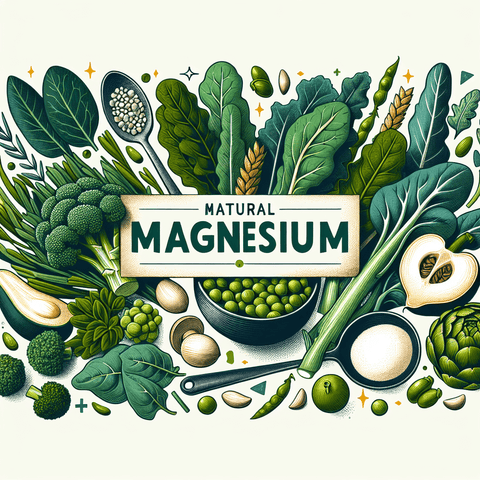
Which Vegetables Are Highest in Magnesium?When it comes to dietary magnesium vegetables, leafy greens lead the way. Spinach provides about 157 mg of magnesium per cooked cup, while Swiss chard offers around 150 mg. Other vegetables like artichokes (77 mg per medium artichoke), green peas (62 mg per cup), okra (57 mg per cup), and broccoli (33 mg per cup) also contribute meaningful amounts. These vegetables are not only rich in magnesium but also provide fiber, vitamins, and antioxidants that support overall health.How to Boost Magnesium Absorption from VegetablesTo maximize the magnesium you get from vegetables, pay attention to preparation. Steaming leafy greens like spinach and Swiss chard can help reduce oxalates that may interfere with magnesium absorption. Avoid long boiling, which can leach minerals into the cooking water. Pairing magnesium-rich vegetables with other nutrient-dense foods, such as legumes or seeds, can further enhance your intake and support a balanced diet.Practical Tips for Adding More Magnesium-Rich VegetablesMeeting your daily magnesium needs through vegetables is achievable with simple meal planning. Aim for a variety of magnesium-packed vegetables each day. For example, a smoothie with spinach at breakfast, a quinoa salad with kale at lunch, and a stir-fry with broccoli and Swiss chard at dinner can easily contribute over 400 mg of magnesium. For individuals with higher needs or dietary restrictions, consulting a healthcare professional about supplements may be beneficial.