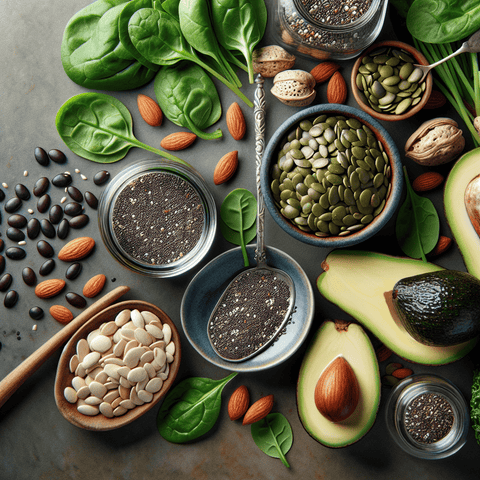
Magnesium-dense foods are foods that provide a relatively high amount of magnesium per serving. Because magnesium is an essential mineral that the body cannot produce itself, it has to come from food or, where appropriate, supplements — which makes dietary sources a natural starting point for anyone interested in maintaining adequate intake. This page gives a broad overview of the topic: what magnesium-rich foods are, how daily magnesium requirements are usually framed, which food groups contribute the most, and which practical factors influence how much magnesium your body obtains from meals. More specific questions, such as exact serving-size data and individual food comparisons, are explored in the dedicated articles collected under this tag.
What Are Magnesium-Dense Foods?
The term describes foods with a high magnesium content relative to their serving size or calorie content. Magnesium occurs naturally in a wide variety of foods, but the amounts vary considerably. Nuts, seeds and whole grains are classic examples of naturally concentrated sources, while many other foods contribute smaller quantities. When food-composition databases and nutrition professionals identify magnesium-dense foods, they typically look at two things: the absolute amount of magnesium per serving, and how that amount relates to the total calories in the food. Foods that perform well on both counts make it easier to meet daily magnesium needs without unusually large portions.
Checking nutrition information is a practical way to identify these foods while shopping. The magnesium line on a nutrition facts panel, where it is listed, and the percentage daily value offer a quick reference, although labelling requirements differ between regions and products. Keep in mind that magnesium content can change with processing, cooking methods and portion size, so the figures for the specific product you have on hand are the most reliable guide.
Why Magnesium Matters in the Diet
Magnesium is involved in numerous normal body processes, including muscle and nerve function, energy metabolism and the maintenance of normal bones. It is one of several essential minerals the body needs regularly, alongside calcium, potassium, zinc and iron; our mineral supplements guide offers a broader overview of these nutrients. Because the body continuously uses and excretes magnesium, intake needs to be maintained through the diet. Intake varies widely from person to person, and diets that rely heavily on refined and processed foods generally contain less magnesium than diets built around whole foods.
How Much Magnesium Do You Need Per Day?
Recommended daily magnesium intakes for adults generally fall between roughly 310 and 420 mg, depending on age and sex. Around 400 mg per day is a commonly referenced benchmark for adult men, with somewhat lower amounts usually advised for women. Practical questions such as how to get 100% of your daily magnesium, or how to reach 400 mg a day from food alone, come down to one principle: magnesium is spread across many foods rather than concentrated in a single source, so regularly including several magnesium-rich food groups is the usual route to reaching the target.
In practice, meeting daily magnesium targets through food is realistic for most people eating a varied diet. A day that includes porridge oats or whole-grain bread at breakfast, a handful of nuts or seeds as a snack, beans or lentils at lunch and leafy greens at dinner, perhaps with some fish or a little dark chocolate, adds up to a meaningful share of the daily requirement. Exact totals depend on portions and specific foods, which is where food-composition tables and the serving data covered in our detailed articles become useful.
Main Food Groups High in Magnesium
Foods high in magnesium tend to fall into a few broad groups. The most consistent contributors to daily intake include:
- Nuts and seeds — pumpkin seeds, almonds, cashews and similar options are among the most concentrated natural sources.
- Legumes — beans, lentils, chickpeas and peas provide magnesium along with fibre and plant-based protein.
- Whole grains — oats, brown rice, quinoa, buckwheat and whole-grain bread retain more magnesium than their refined counterparts.
- Leafy green vegetables — spinach, Swiss chard and kale are naturally magnesium-rich.
- Fish — varieties such as salmon, halibut and mackerel contribute moderate amounts.
- Dark chocolate — cocoa is a naturally magnesium-rich ingredient, and chocolate with a higher cocoa content generally contains more than milk chocolate.
- Fruit and vegetables — avocados, bananas, potatoes and dried fruit add smaller but useful amounts.
- Fortified foods and mineral water — some breakfast cereals are fortified with magnesium, and certain bottled mineral waters naturally contain it.
Many of these foods overlap with the nutrient-dense ingredients often described as superfoods, and our superfoods guide covers this wider group in more detail. The key point is that no single food meets the day's magnesium requirement on its own; a combination of these groups across meals is what makes the target achievable.
Factors That Influence Magnesium Absorption
The amount of magnesium a food contains is not necessarily the amount your body absorbs. A few naturally occurring compounds and dietary patterns can influence uptake:
- Phytates — found in whole grains, legumes, nuts and seeds, these compounds can bind minerals, including magnesium, and somewhat reduce how much is absorbed.
- Oxalates — present in foods such as spinach, these can also limit magnesium uptake from a meal.
- High-dose mineral supplements — very large amounts of calcium or zinc taken with the same meal may compete with magnesium for absorption.
- Preparation methods — soaking, sprouting or fermenting grains and legumes can reduce phytate levels.
Absorption generally works in your favour when magnesium-rich foods are spread across the day and eaten as part of meals containing protein. Boiling vegetables can also leach magnesium into the cooking water, which is one reason soups and stews are practical ways to serve greens. These points are refinements rather than strict rules; for most people, a varied, balanced diet remains the simplest approach.
Drinks That Can Contribute Magnesium
Food is not the only source. A few types of drinks can add to daily magnesium intake:
- Mineral water — some bottled mineral waters naturally contain magnesium; the label states how much.
- Smoothies — drinks built around ingredients such as spinach, banana, oats, nuts or seeds combine several magnesium-rich foods in one serving.
- Fortified beverages — some plant-based milks and similar drinks are fortified with magnesium, so it is worth checking the label.
No drink replaces magnesium-rich foods, but beverages can be an easy, low-effort way to round out intake across the day.
Practical Ways to Eat More Magnesium-Rich Foods
Weaving magnesium-dense foods into everyday meals works best through simple, repeatable habits. Batch-cooking grains such as brown rice or quinoa makes them easy to add to bowls and salads during the week. Chopped greens can be folded into soups, omelettes and wraps, while nuts and seeds work well as toppings for porridge, yoghurt or baked dishes. Simple substitutions help too: choosing whole-grain bread over white, or brown rice over white, retains more of the grain's natural magnesium.
A realistic goal is to include at least one magnesium-rich food at each meal and to keep a few convenient options, such as mixed nuts, tinned beans or oats, within easy reach. Start by checking your pantry and fridge for foods from the groups above and plan a few meals around them for the coming days. Small, steady changes are far easier to maintain than a complete overhaul of how you eat.
Magnesium-Rich Foods and Supplements
For most people, food is the preferred source of magnesium, because magnesium-rich foods bring other valuable nutrients, including fibre, protein and healthy fats, along with the mineral. Supplements are nevertheless a widely used way to top up intake when the diet falls short, and they are available in several different forms, each with its own characteristics. Supplements are not intended to replace a varied, balanced diet.
If you are considering a magnesium supplement, particularly if you take medication or have a health condition, it is sensible to seek advice from a doctor or pharmacist first. Our magnesium supplements collection gives an overview of the options available.
Exploring the Topic Further
This page is the broad map of the magnesium-rich foods topic, and the articles collected under this tag go deeper into individual questions. Depending on your interests, you will find dedicated guides to specific high-magnesium foods and their exact serving sizes, comparisons between different forms of magnesium supplements, and background on the signs associated with low magnesium intake. Reading those articles alongside this overview is the easiest way to build a complete picture of how magnesium-rich eating could fit into your own routine.