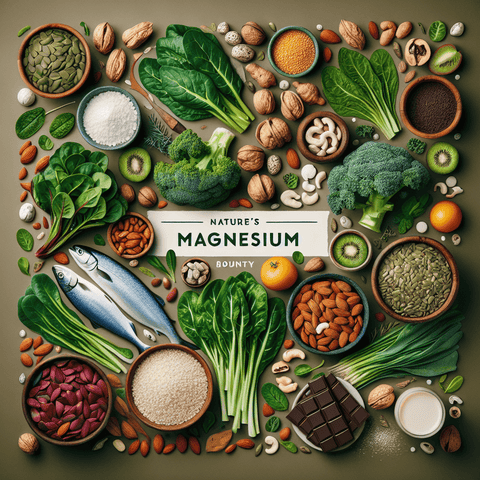
Magnesium is an essential mineral involved in hundreds of enzymatic reactions, including energy metabolism, muscle contraction, nerve signalling and bone structure. Because the body cannot produce it, magnesium dietary sources are the foundation of healthy intake. This guide explains which foods supply the most magnesium, how absorption varies between foods, how much you actually need, and who may be at risk of falling short. It also covers when food alone is likely enough, when supplementation may reasonably be considered, and how to evaluate supplement options sensibly if you decide to use one.
What Are the Best Dietary Sources of Magnesium?
Magnesium is widely distributed in plant and animal foods, but the concentration varies enormously. The richest dietary sources are seeds, nuts, legumes, whole grains and leafy green vegetables, with smaller contributions from fish, fruit, dairy and even drinking water. Because magnesium sits at the centre of the chlorophyll molecule, any food that is intensely green tends to carry a useful amount.
Why Getting Magnesium From Food Matters
Food delivers magnesium alongside protein, fibre, potassium and a broad range of phytonutrients that supplements cannot replicate. Intake from food is also self-limiting in a way that supplements are not: healthy kidneys excrete surplus magnesium, and no upper intake level applies to naturally occurring magnesium in food. In practice, people who regularly eat magnesium-rich foods tend to have better overall diet quality, which matters for bone, cardiovascular and metabolic health.
How Much Magnesium Do You Actually Need Per Day?
For adults, commonly cited reference intakes are around 400–420 mg per day for men and 310–320 mg per day for women, with somewhat higher targets during pregnancy. These figures reflect total intake from food and water rather than supplement dosage, which is a distinction that is often blurred. Interestingly, absorption efficiency rises when intake is low and falls when intake is high, so the body partly compensates. Even so, national dietary surveys in several countries suggest a meaningful share of adults fall below recommended intakes.
Magnesium-Rich Foods to Include in Your Daily Diet
You do not need exotic products to reach your target. A well-constructed mixed diet containing several of the food groups below typically covers requirements comfortably.
Seeds and Nuts: The Highest Magnesium Density
Pumpkin seeds are among the most concentrated everyday sources, providing roughly 150 mg in a 30 g portion. Almonds, cashews, Brazil nuts, hemp seeds, flaxseed and sunflower seeds are also strong contributors, generally delivering 70–90 mg per 30 g. Because these foods are calorie-dense, portion awareness matters, but a small handful daily is an efficient and practical strategy.
Leafy Green Vegetables: Chlorophyll’s Mineral Bonus
Cooked spinach, Swiss chard and beet greens supply substantial magnesium, with a cup of cooked spinach providing well over 100 mg. Raw salads contribute less per bite simply because leaves are mostly water, so cooking and lightly wilting greens increases the amount you can realistically eat. These vegetables also bring folate, vitamin K and nitrates, making them a strong nutritional package.
Legumes and Beans: A Plant-Based Magnesium Powerhouse
Black beans, kidney beans, chickpeas, lentils, soybeans and tofu are dependable sources, typically offering 50–120 mg per cooked cup. They are inexpensive, shelf-stable and rich in fibre and plant protein. Tinned varieties are convenient; rinsing them reduces added sodium without meaningfully affecting magnesium.
Whole Grains: Choosing the Right Forms for Maximum Intake
Refining strips away the bran and germ, where most magnesium resides, so white flour and polished rice contain only a fraction of the original mineral. Whole grains such as oats, quinoa, buckwheat, brown rice and whole wheat retain far more. A bowl of oatmeal or a portion of quinoa can contribute 60–120 mg, making grain choices one of the simplest dietary upgrades available.
Fatty Fish and Seafood: Magnesium With Added Omega-3s
Fish is a moderate magnesium source rather than a leading one, with mackerel, halibut and salmon contributing roughly 25–60 mg per 100 g depending on species. Their real value lies in combining magnesium with omega-3 fatty acids, selenium and vitamin D. If you want to understand how these fats fit into the broader picture, this guide to DHA and EPA omega-3 supplements covers the essentials.
Fruits and Other Unexpected Sources (Avocados, Bananas, Dark Chocolate)
Avocado provides around 30 mg per 100 g, a banana roughly 27 mg, and dried figs and raisins add useful amounts. Dark chocolate with 70–85% cocoa is genuinely concentrated at around 200 mg per 100 g, though realistic portions are small. Potatoes eaten with the skin, and dairy products such as yoghurt and milk, also make modest daily contributions that add up over time.
Why Magnesium Absorption Varies Between Foods
The magnesium content printed on a food table is not the same as the amount your body absorbs. Overall absorption of dietary magnesium is typically in the region of 30–40%, and individual foods can shift that figure considerably.
Phytic Acid and Oxalates: How Plant Compounds Affect Uptake
Phytic acid, found in seeds, nuts, whole grains and legumes, binds minerals and reduces their absorption. Oxalates in spinach and chard have a similar effect, which is why spinach is an excellent magnesium source by weight but a somewhat less efficient one in practice. This does not make these foods poor choices; soaking, sprouting, fermenting and leavening can lower phytate content, and the broader nutritional benefits remain.
Cooking and Processing: Do They Increase or Decrease Magnesium?
Magnesium is water-soluble, so boiling vegetables and discarding the water leaches some of the mineral away. Steaming, roasting or using the cooking liquid in soups preserves more. Conversely, cooking legumes and grains reduces phytate and can improve absorption. The largest single loss comes from refining grains rather than from home cooking.
Magnesium in Drinking Water: A Forgotten Contributor
Mineral-rich hard water can supply meaningful magnesium, with content varying widely between regions and sources. Bottled mineral waters may declare magnesium on the label, sometimes at levels of 50–100 mg per litre or more. For people with low food intake, this can be a quiet but genuine contributor to daily totals.
Signs You May Not Be Getting Enough Magnesium From Food
Low magnesium intake does not usually produce obvious, specific symptoms. Muscle cramps, fatigue, poor sleep and tension are frequently attributed to magnesium insufficiency, but these complaints have many possible causes and cannot confirm nutritional status on their own.
The Difference Between a Magnesium Deficiency and a Suboptimal Intake
Clinical magnesium deficiency is a recognised medical condition, typically linked to significant gastrointestinal losses, kidney disorders, alcoholism or prolonged use of certain medicines. A suboptimal intake is far more common and far less dramatic: intake sits below recommended amounts without meeting the criteria for deficiency. The two situations have different implications and should not be conflated.
Who Is Most at Risk of Low Magnesium Intake?
Groups more likely to fall short include older adults, people with low overall food intake, those following restrictive diets, people with type 2 diabetes, individuals with gastrointestinal conditions such as Crohn’s disease or coeliac disease, and those with alcohol use disorder. Pregnancy and lactation raise requirements, and athletes who sweat heavily lose magnesium through perspiration.
How Medications and Health Conditions Affect Magnesium Status
Loop and thiazide diuretics, proton pump inhibitors, certain antibiotics and some chemotherapy agents can influence magnesium balance. Poorly controlled diabetes increases urinary magnesium loss, and chronic gastrointestinal inflammation reduces absorption. If you take long-term medication, discussing magnesium status with a prescriber is more reliable than self-assessing from symptoms.
How to Boost Your Magnesium Intake Through Food and Lifestyle
Simple Dietary Swaps That Increase Daily Magnesium
Small substitutions compound quickly. Swap white rice for brown, sprinkle pumpkin seeds over yoghurt or salad, add chickpeas to a soup, choose whole-grain bread, and keep a portion of dark leafy greens in the rotation several times a week. Three or four such swaps can easily close a 100 mg daily gap.
Meal Planning Tips for Consistent Magnesium Intake
Consistency matters more than occasional large portions. Including a magnesium source at breakfast (oats, seeds), lunch (legumes, greens) and dinner (whole grains, fish) distributes intake across the day. Batch-cooking beans and grains, and keeping nuts visible rather than in a cupboard, are practical behavioural aids. This superfoods guide to nutrient-dense foods offers further ideas for building meals around minimally processed ingredients.
Lifestyle Habits That Influence Magnesium Retention
Heavy alcohol consumption, chronic stress and intense sweating all increase magnesium losses. Regular sleep, moderate exercise and limiting alcohol support general mineral balance. None of these replaces dietary intake, but they influence how much of what you consume is retained.
When Magnesium Supplementation May Be Worth Considering
Supplementation is not a universal requirement. For most healthy adults eating a varied diet, food remains the most appropriate source. Supplementation becomes reasonable when intake is persistently low, requirements are elevated, or absorption is compromised.
Dietary Gaps That Are Hard to Close Through Food Alone
Restrictive eating patterns, food insecurity, low appetite in older age, or a strong dislike of legumes and vegetables can make dietary targets difficult to reach. In such cases, a modest supplemental intake may help fill a genuine gap rather than add to an already adequate diet.
Increased Needs During Certain Life Stages
Pregnancy and lactation raise magnesium requirements, and older adults often absorb less efficiently while eating less overall. Athletes in heavy training may lose more through sweat. These situations justify attention to intake, though food-first strategies should still come first.
Why a Blood Test May Be Needed Before Supplementing
Serum magnesium measures only around 1% of the body’s total magnesium and can appear normal even when stores are low, so it is an imperfect marker. Even so, a blood test can identify clear deficiency and help clarify whether symptoms are nutrition-related at all. If symptoms are persistent or unexplained, clinical assessment is more sensible than guessing.
How to Choose a Magnesium Supplement if Needed
Comparing Magnesium Forms: Citrate, Glycinate, Oxide and More
Forms differ mainly in absorption and tolerability. Magnesium oxide is inexpensive and concentrated but poorly absorbed, and it draws water into the bowel, which is why it is often used for constipation. Citrate is better absorbed and also has a mild laxative effect. Glycinate and bisglycinate are generally well tolerated and gentle on digestion. Malate, taurate and threonate have their own followings, but comparative human evidence is limited and claims of superiority should be treated cautiously. For a broader overview, see this guide to mineral supplements including iron, zinc and selenium.
What to Look for on a Magnesium Supplement Label
Check the elemental magnesium content, not the total weight of the compound, the number of servings per container, and whether the product is third-party tested. Look for clearly stated allergen information and, where relevant, vegan or vegetarian suitability. Combination formulas can be useful but often contain small amounts of several forms rather than a meaningful dose of one.
How to Interpret Dosage and Elemental Magnesium Content
A capsule labelled “500 mg magnesium citrate” does not contain 500 mg of magnesium. Citrate is roughly 16% elemental magnesium, so that capsule supplies around 80 mg. Comparing products on elemental content is the only fair comparison. More information on magnesium’s roles and typical intake ranges is available in this overview of magnesium for energy, muscle and bone support.
Safety Considerations for Magnesium From Food and Supplements
Can You Get Too Much Magnesium From Diet Alone?
No upper intake level applies to magnesium occurring naturally in food and water, because healthy kidneys excrete the excess. Toxicity from dietary sources in people with normal kidney function is not a practical concern.
Upper Intake Levels and Side Effects From Supplements
For supplemental magnesium, an upper intake level of around 350 mg per day applies to adults, excluding food. Exceeding this can cause diarrhoea, nausea and abdominal cramping. People with impaired kidney function are at greater risk of accumulation and should not use supplements without medical supervision.
Magnesium Interactions With Common Medications
Magnesium can bind certain antibiotics, thyroid medication and bisphosphonates, reducing their absorption; separating doses by a few hours usually resolves this. It may also interact with some diuretics and proton pump inhibitors. If you take prescription medication regularly, check with a pharmacist before starting a supplement.
Making an Informed Decision About Your Magnesium Intake
When Food Alone Is Likely Sufficient
If you eat seeds, nuts, legumes, whole grains and greens most days and have no relevant medical conditions or long-term medication use, your intake is probably adequate. In that case, widening variety is a better investment than adding a supplement.
When Supplementation Is a Reasonable Option
A supplement may be reasonable when dietary intake is consistently low, requirements are increased, or a clinician has identified a shortfall. Choosing a well-absorbed form at a moderate dose, rather than a high dose of a poorly absorbed one, is the pragmatic approach.
When Professional Guidance Is Recommended
Persistent symptoms, known kidney disease, pregnancy, long-term medication use or suspected deficiency all warrant professional input. A clinician can arrange appropriate testing and advise on safe intake levels for your circumstances.
Conclusion: Building a Magnesium-Rich Diet That Works for You
The strongest foundation for magnesium status is a varied diet built around seeds, nuts, legumes, whole grains and leafy greens, supported by fish, fruit, dairy and mineral-rich water where these fit your preferences. Because absorption varies and needs differ with age, life stage, medication use and health status, there is no single ideal intake that applies to everyone. Food should come first, and for most healthy adults it is enough. Supplementation is a reasonable adjunct when genuine gaps exist, chosen thoughtfully and dosed moderately, with professional advice where uncertainty remains.
Key Takeaways
- Magnesium is essential for energy metabolism, muscle function, nerve signalling and bone health.
- Seeds, nuts, legumes, whole grains and leafy greens are the most concentrated everyday sources.
- Adult reference intakes are roughly 400–420 mg daily for men and 310–320 mg for women.
- Refining grains removes most of their magnesium, making whole grains a key dietary upgrade.
- Phytic acid and oxalates reduce absorption from some plant foods but do not make them poor choices.
- Boiling leaches magnesium into cooking water; steaming and roasting preserve more.
- Symptoms such as cramps or fatigue cannot confirm low magnesium status on their own.
- Serum magnesium reflects only about 1% of body stores and is an imperfect marker.
- The upper intake level of 350 mg daily applies to supplemental magnesium, not food.
- Older adults, people with gastrointestinal conditions and those on certain medications face higher risk.
Frequently Asked Questions
What are the best magnesium dietary sources?
Pumpkin seeds, almonds, cashews, black beans, lentils, cooked spinach, quinoa, oats and dark chocolate are among the most concentrated options. Including several of these across the day typically covers requirements without much effort.
How much magnesium do you need per day?
Adults generally need around 400–420 mg daily if male and 310–320 mg if female, with higher targets during pregnancy. These figures refer to total intake from food and water rather than supplement dosage alone.
Which food has the most magnesium?
Seeds and nuts rank highest per gram, with pumpkin seeds, hemp seeds and Brazil nuts particularly concentrated. Cocoa powder and dark chocolate are also exceptionally high, though typical serving sizes are smaller.
Does spinach count as a good magnesium source?
Spinach is high in magnesium by weight, but its oxalate content reduces absorption somewhat. It still contributes meaningfully, especially when cooked, and brings additional nutrients such as folate and vitamin K.
Can cooking reduce magnesium in food?
Boiling can leach water-soluble magnesium into the cooking liquid, so steaming or roasting preserves more. Using the cooking water in soups or stews recovers much of what would otherwise be lost.
Is magnesium from food better than supplements?
Food provides magnesium alongside fibre, protein and other minerals, and dietary intake is naturally self-limiting. Supplements have a place when intake is genuinely inadequate, but they cannot replace the broader nutritional package of whole foods.
Who is most likely to be low in magnesium?
Older adults, people with low overall food intake, those with gastrointestinal conditions, individuals with type 2 diabetes and people with alcohol use disorder are at higher risk. Long-term use of certain medications also affects status.
Do I need a blood test before taking magnesium?
Not necessarily, but testing can be useful if symptoms are persistent or deficiency is suspected. Serum magnesium is an imperfect marker, so results should be interpreted alongside clinical context.
Does hard water provide magnesium?
Yes, mineral-rich water can contribute meaningfully, with content varying widely by region and source. Some bottled mineral waters declare magnesium levels of 50–100 mg per litre or more.
Which magnesium supplement form is best absorbed?
Citrate and glycinate are generally well absorbed and reasonably well tolerated, while oxide is more poorly absorbed. Individual tolerance varies, and evidence does not support one form as universally superior.
Can you take too much magnesium?
Excess magnesium from food is not a concern in healthy people because the kidneys excrete it. Supplemental magnesium above roughly 350 mg daily can cause diarrhoea and cramping, and people with kidney disease should seek medical advice.
Does magnesium interact with medications?
It can reduce absorption of certain antibiotics, thyroid medication and bisphosphonates when taken at the same time. Separating doses by a few hours usually prevents this, but a pharmacist can confirm for your specific medication.
Related Keywords
- magnesium dietary sources
- magnesium-rich foods list
- foods high in magnesium
- how much magnesium per day
- magnesium absorption and bioavailability
- plant sources of magnesium
- magnesium in nuts and seeds
- whole grains and magnesium content
- magnesium deficiency risk factors
- best magnesium supplement form
- elemental magnesium explained
- magnesium upper intake level
- magnesium food sources for vegetarians
- magnesium and medication interactions