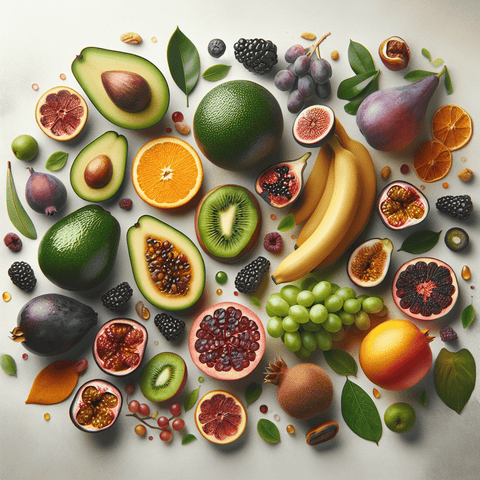
A magnesium fruit chart is a practical reference for comparing common fruits by their approximate magnesium content in typical serving sizes. Magnesium is a mineral that participates in many normal functions in the body, and fruit can be one contributor within a varied, balanced diet. This page explains how to read a magnesium fruit chart, why serving size matters, which fruits tend to appear higher on the list, and how fruit fits into the broader topic of magnesium in food and supplements.
The values shown in any magnesium fruit chart are approximate. Magnesium content can differ between varieties, stages of ripeness, soil conditions and growing regions, so ranges are more realistic than fixed numbers. Use the chart as a guide for comparison and variety, not as a precise measurement of any single piece of fruit.
What Is a Magnesium Fruit Chart?
A magnesium fruit chart is a table or list that pairs fruits with their approximate magnesium content. Most charts show values per 100 grams, per common serving, or both. The per-100-gram view is useful for comparing fruits on equal footing, while the per-serving view is often more practical because it reflects how people actually eat fruit.
For example, a chart might list half a ripe avocado (about 100 g) at roughly 29 mg of magnesium, a whole medium banana (about 118 g) at about 32 mg, one medium kiwi (about 70 g) at roughly 12–15 mg, and a medium orange (about 131 g) at around 15 mg. A cup of sliced strawberries (about 166 g) may be near 21 mg, a cup of diced mango (about 165 g) in the 15–20 mg range, a cup of grapes (about 151 g) around 11 mg, and a medium pear (about 178 g) around 16 mg. These figures are approximate and can vary.
Because fruits differ in water content, fibre and density, two fruits of similar weight can differ in magnesium. That is why a magnesium fruit chart is most useful when it groups fruits by realistic portion sizes and presents ranges rather than single values.
Why Magnesium Matters in a Balanced Diet
Magnesium is an essential mineral involved in many normal physiological processes, including energy metabolism, muscle function and the maintenance of normal bones. It is found in a wide range of foods, including nuts, seeds, legumes, whole grains and leafy green vegetables, as well as some fruits.
Fruit is not usually the single largest source of magnesium in a diet, but it can contribute meaningfully across the day, especially when eaten regularly and in varied forms. A magnesium fruit chart helps put those contributions into perspective alongside other magnesium-containing foods.
General information about magnesium requirements and dietary sources is widely available. Individual needs can vary with age, life stage, health status and other factors, so anyone with specific questions about magnesium intake or supplementation should seek advice from a qualified healthcare professional. For broader coverage of the mineral, see our magnesium benefits and support guide.
How to Read Fruit Magnesium Values
Magnesium values for fruit are usually expressed in one of two ways: per 100 grams or per typical serving. Both are useful, but they answer slightly different questions.
- Per 100 g: useful when you want to compare fruits on the same weight basis, regardless of how much you would normally eat.
- Per serving: useful when you want to know roughly how much magnesium a realistic portion might provide, such as half an avocado or a cup of chopped fruit.
- Ranges: because magnesium content varies, charts often show a range (for example, 12–15 mg) rather than one exact figure.
Serving sizes also matter. A fruit that looks modest per 100 grams may still be a useful contributor if a typical serving is large. Conversely, a fruit with a higher value per 100 grams may be eaten in smaller amounts. A magnesium fruit chart that shows both perspectives helps avoid misleading comparisons.
Common Fruits and Approximate Magnesium Content
The following examples reflect approximate magnesium content for typical serving sizes. They are intended for general comparison and may differ from other charts depending on the data source.
- Avocado: half a ripe avocado (about 100 g) — approximately 29 mg.
- Banana: one medium banana (about 118 g) — approximately 32 mg.
- Kiwi: one medium kiwi (about 70 g) — approximately 12–15 mg.
- Orange: one medium orange (about 131 g) — approximately 15 mg.
- Strawberries: one cup sliced (about 166 g) — approximately 21 mg.
- Mango: one cup diced (about 165 g) — approximately 15–20 mg.
- Grapes: one cup (about 151 g) — approximately 11 mg.
- Pear: one medium pear (about 178 g) — approximately 16 mg.
These values are approximate and can vary by variety, ripeness and growing conditions. They are best used to compare fruits side by side, not to calculate exact magnesium intake.
Fruits That Tend to Be Higher in Magnesium
Among common fruits, some tend to show up higher in magnesium charts. Avocado and banana are often among the more frequently cited examples, partly because their typical serving sizes are reasonably large. Dried fruits can also be relatively concentrated sources of magnesium by weight, though portions are usually smaller.
Fruits such as strawberries, mango, orange and pear can still contribute magnesium across the day, especially when eaten regularly. The magnesium fruit chart is less about finding a single "best" fruit and more about understanding how different fruits compare in realistic portions.
How Fruit Fits Into Magnesium-Rich Eating
Fruit is one piece of a broader dietary pattern. Other foods that commonly contribute magnesium include nuts, seeds, legumes, whole grains and leafy green vegetables. Combining fruit with these foods across meals and snacks can help build a varied intake rather than relying on one source.
Practical ways to include magnesium-containing fruits include adding banana or berries to breakfast, slicing avocado into salads or sandwiches, or choosing whole fruit as a snack. Because magnesium content varies, variety over the week is often more useful than focusing on one fruit.
Fruit also provides other nutrients and fibre, so it can be part of a balanced diet for reasons beyond magnesium alone. For a wider view of mineral-containing foods and supplement categories, explore our mineral supplements guide.
Magnesium Supplements and Fruit Sources
Some people use magnesium supplements alongside dietary sources. Magnesium supplements come in different forms, and the form can influence how the supplement is used and tolerated. Dietary sources such as fruit, nuts, seeds and legumes remain the foundation of a varied intake, while supplements may be considered in some situations.
Anyone considering a magnesium supplement should review general usage and safety information and speak with a qualified healthcare professional, especially if taking medication or managing a health condition. Our natural supplements collection offers a starting point for browsing related product categories.
Practical Considerations When Using the Chart
A magnesium fruit chart is a comparison tool, not a prescription. A few practical points can help you use it well:
- Treat values as approximate. Varieties, ripeness and growing conditions can shift magnesium content.
- Compare like with like. Use per-100-gram values for equal-weight comparisons and per-serving values for everyday portions.
- Think variety. Rotating fruits and other magnesium-containing foods is generally more useful than focusing on one item.
- Keep context in mind. Fruit is one part of a balanced diet and not usually the main magnesium source.
If you have specific dietary requirements or health concerns, individualised advice from a qualified professional is more appropriate than a general chart.
Exploring Magnesium and Fruit Further
This tag page is intended as a broad overview of magnesium in fruit and how to use a magnesium fruit chart. More specific questions — such as how magnesium compares across forms, how it relates to sleep or muscle function, or how to choose a supplement — are better suited to dedicated articles. The articles associated with this tag explore those narrower topics in more depth.
For broader dietary context, you can also browse related categories such as superfoods and nutrient-rich foods. The magnesium fruit chart is a starting point for comparing fruits; the wider topic of magnesium in diet and supplements continues across the related articles and category pages on this site.